




Most Irish people believe the responsibility for cutting carbon emissions lies with the Government - not themselves, a new poll to mark Earth Day has found.
56% of people said the Government needs to do more to reduce the nation’s carbon footprint.
However, an even greater number, 75%, said they had no personal responsibility for climate change.
In global terms, Ireland has a relatively high carbon footprint, with the average Irish person using 6.34 tons of cabron per year, according to Our World In Data.
By contrast, the global average is 4.73 tons per person and the EU average is 5.39 tons per citizen.
On Newstalk Breakfast, Friends of the Earth Ireland spokesperson Jerry MacEvilly said politicans needs to do more to combat the planet's “fossil fuel price emergency”.
“It's striking that the majority of Irish people think the Government isn't doing enough,” he said.
“And I guess the key issue here is that people on their own, they simply are not in a position to not use their car in the morning, to not heat their home.”
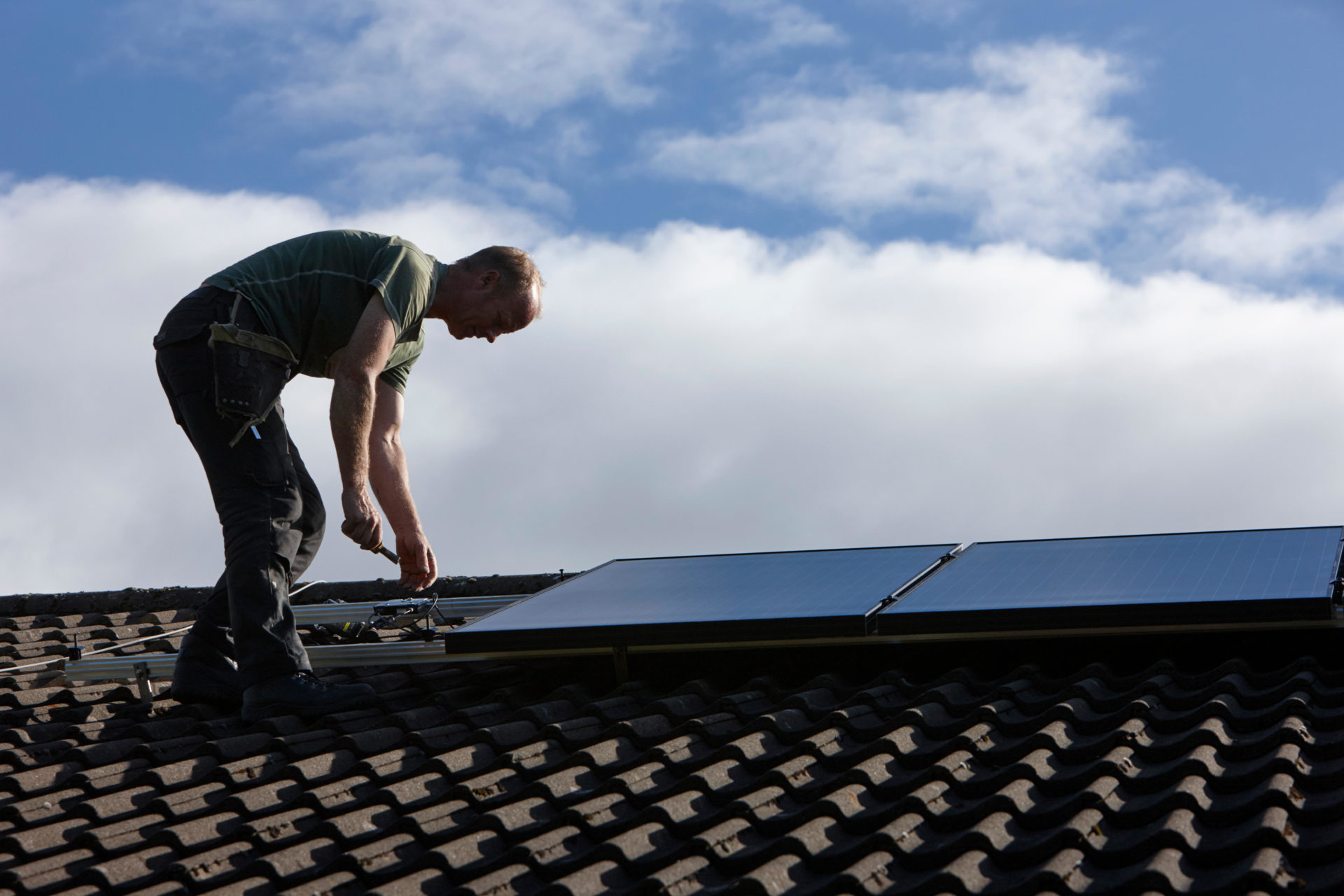 A man installing a rooftop solar panel array. Picture by: Radharc Images / Alamy.
Mr MacEvilly added that other Governments have responded to the Iran War by increasing subsidies for decarbonisation measures.
“What the Dutch government has done to support households, they not only have addressed the fuel issue, they've also put in additional supports for the likes of insulation, for the likes of keeping your home warmer,” he explained.
“So, in other words, they have, in contrast with the Irish Government, really focused on how they can also help not only particular industries, but also householders who are reliant on fossil fuels.”
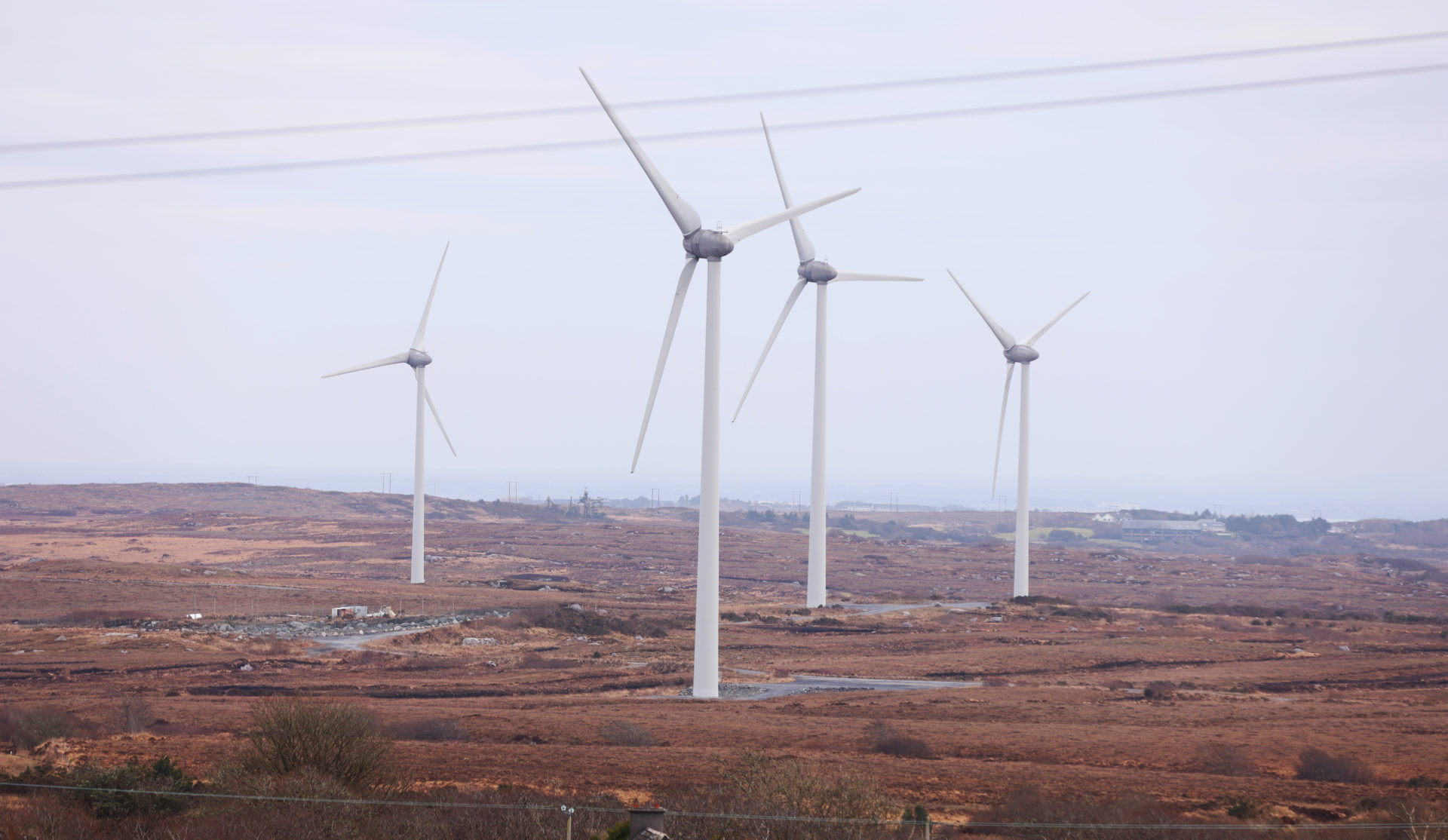 A wind farm in Galway. Picture by: Eamonn Farrell/ © RollingNews.ie
Mr MacEvilly continued that the current crisis cost of living “ultimately comes down to Ireland [being] so highly reliant on fossil fuels”.
However, he said many measures that cut households costs are not prohibitively expensive.
“For example, insulation in your home,” he said.
“So, there are definitely measures that Government can be taking to support people.”
In Budget 2026, the Government allocated a record €640 million for retrofitting.
Demand has soared for upgrades has soared, with a 96% increase since last year.
Main image: Micheál Martin and Simon Harris. Picture by: Rialtas na hÉireann.


