




Pushing back a ban on the sale of petrol and diesel cars could put the EU’s climate targets at risk, a motoring expert has warned.
Following sustained pressure from carmakers across the bloc, the Commission has tabled a proposal that would relax a looming ban on sales of new combustion-engine cars from 2035.
Berlin and Rome want the total ban pushed back or watered down, replaced perhaps with a mandate that 90% of new car sales are EVs.
On Newstalk Breakfast, motoring expert Ger Herbert said that 2035 was not an “arbitrary date”.
“Obviously, the EU is set to reach net zero emissions by 2050 - that's their target,” she explained.
“And if you want to get to a zero carbon car fleet by 2050, cars have an average lifespan of about 15 years - then realistically, you have to stop selling petrol and diesel cars by 2035.
“Now it looks like that is going to be watered down and there'll be a 90% average fleet reduction.
“So, therefore, this will give carmakers the opportunity to continue to sell petrol, diesel and plug-in hybrids after 2035 - though obviously in small numbers.
“But they'll still be on the road, basically, that's the issue here.”
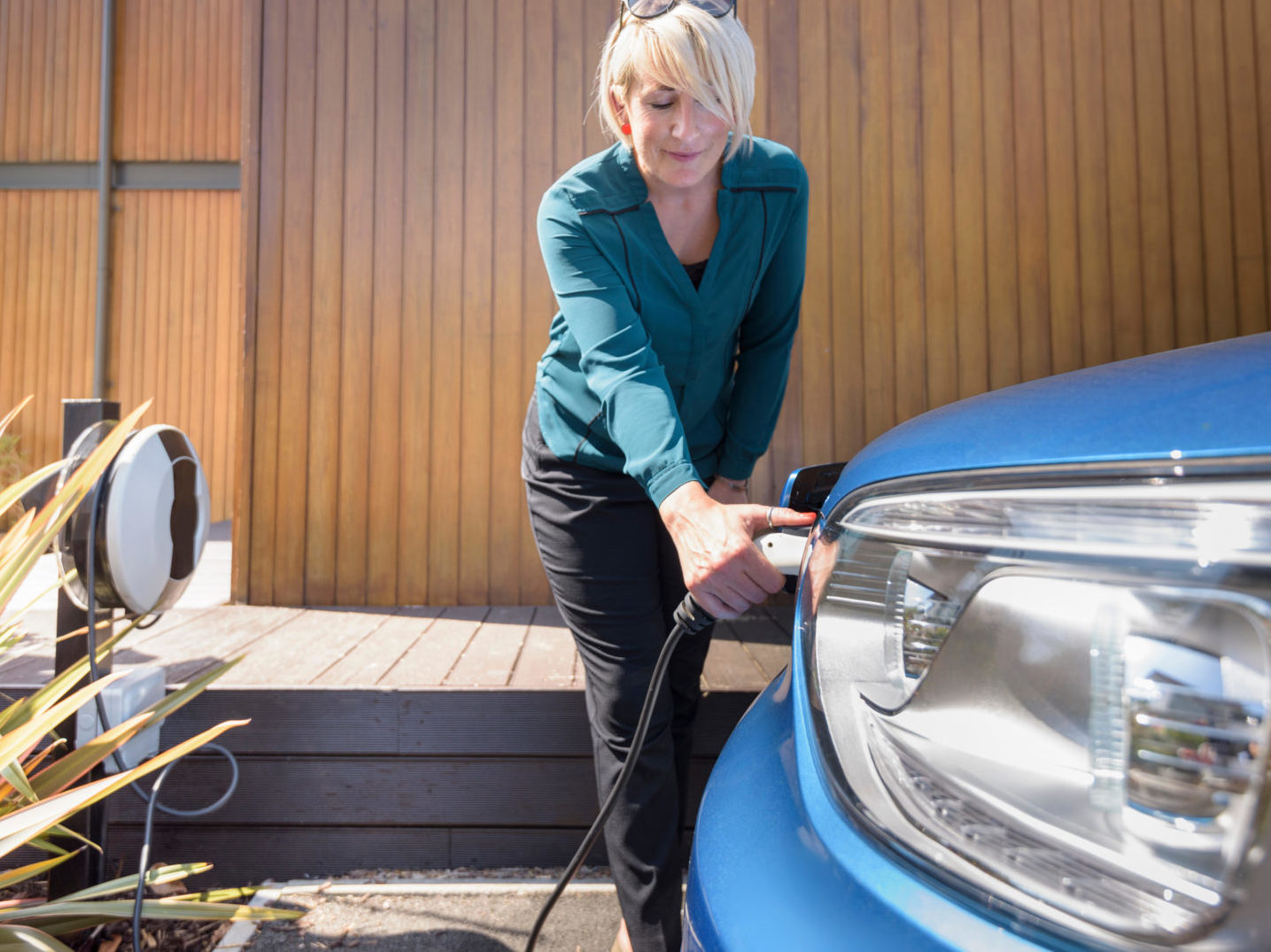 A woman charging an electric car at a charging point. Picture by: Cultura Creative RF / Alamy.
Ms Herbert continued that any change on the 2035 date does not mean the end of EVs “by any means”, simply a slower uptake.
Manufacturers - notably in Italy and Germany - have struggled in recent years from increased competition from China and the United States.
Industry bosses fear the cost of going completely electric by 2035 is simply too high.
“It's required enormous investment in new production facilities, technology, and workforce retraining,” Ms Herbert said.
“They argue that this timeline just doesn't give them enough time to adapt; EV sales have been strong, but they've been very volatile.
“They went down in 2024, they were back up in 2025 and… the transition hasn't been as rapid as what might have been expected.”
Man image: Exhaust fumes coming from a car. Picture by: Sebastian Gollnow/dpa.


