



The rising number of pupils exempt from learning Irish will ‘undermine’ the Irish language in the education system, a professor has warned.
Currently, school pupils are exempt from learning the State’s first official language if they have been educated abroad for a significant period, or they have significant literacy difficulties, multiple and persistent needs or attend a multiple and persistent needs.
On The Claire Byrne Show, DCU Professor Emeritus Pádraig Ó Duibhir said there has been an “alarming rise” in the number of exemptions.
While researching his report From Exemption to Inclusion for Conradh na Gaeilge, he found that while 7% of students in secondary schools were exempted from Irish in 2017.
However, that figure now stands at 14%.
“If the current rate of growth increases, I predict that there'll be 22% of students at post-primary exempted from Irish - that's one in five,” he warned.
“If it goes to that stage, I think the foundation of teaching Irish at post-primary school will be undermined.”
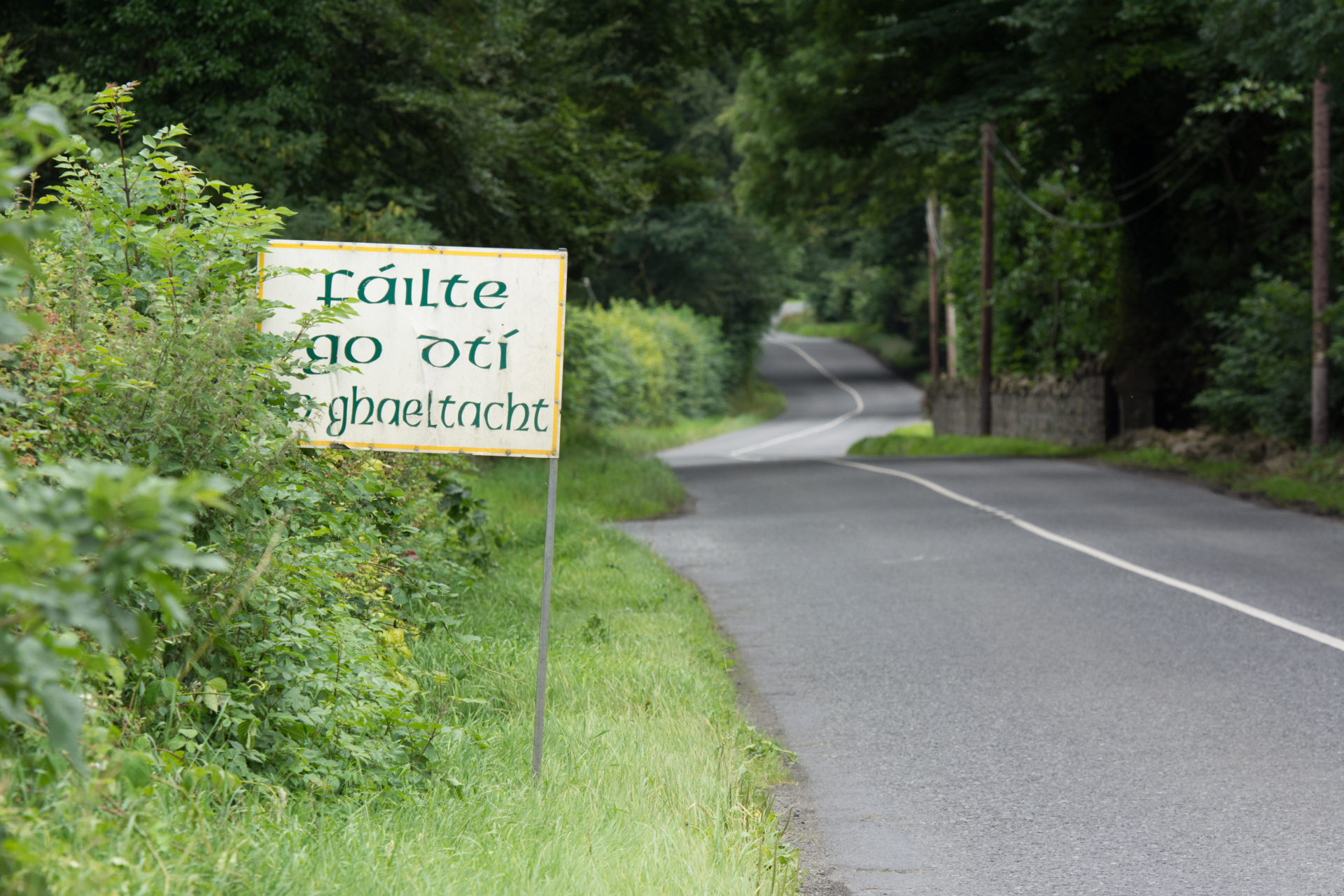 A sign welcoming people to the Gaeltacht. Picture by: Alamy.com.
Despite the significant increase, Professor Ó Duibhir noted that many of the students who are exempt from Irish are still learning other foreign languages.
“51% of students exempted because of a learning difficulty are studying other modern languages at secondary school, so French, German, Spanish, Italian, and so forth,” he said.
“There are many students in Irish-medium schools who don't qualify for an exemption, who have dyslexia or are on the autism spectrum, who are successfully learning Irish and they're learning to the best of their ability as well.”
Professor Ó Duibhir added that by contrast, other countries with regional languages - such as Finland, Catalonia and Luxembourg - are much stricter about allowing students to opt out of modern languages.
“In those countries, students who have profound difficulties will get maybe a partial exemption or a temporary exemption or reasonable accommodations,” he said.
“That's where Ireland stands out, that we give a permanent exemption, which doesn't happen elsewhere.”
Overall, Professor Ó Duibhir believes that many children with learning difficulties would benefit more if the teaching of Irish was “adapted” to suit their needs, rather than being exempt.
'A bridge too far'
Also on the programme, Dyslexia Ireland CEO Rosie Bissett argued that for many children with learning difficulties the exemptions are absolutely vital.
“I would question some of what Pádraig is saying in terms of the science,” she said.
“The research on dyslexia and learning difficulties is quite clear.
“We had a major new definition of dyslexia published, a consensus definition across researchers across many countries and disciplines, the Delphi definition last year, which specifically recognises that learning additional languages is a core challenge for young people with dyslexia.”
Ms Bissett added that for many children with dyslexia “learning multiple languages is simply a bridge too far”.
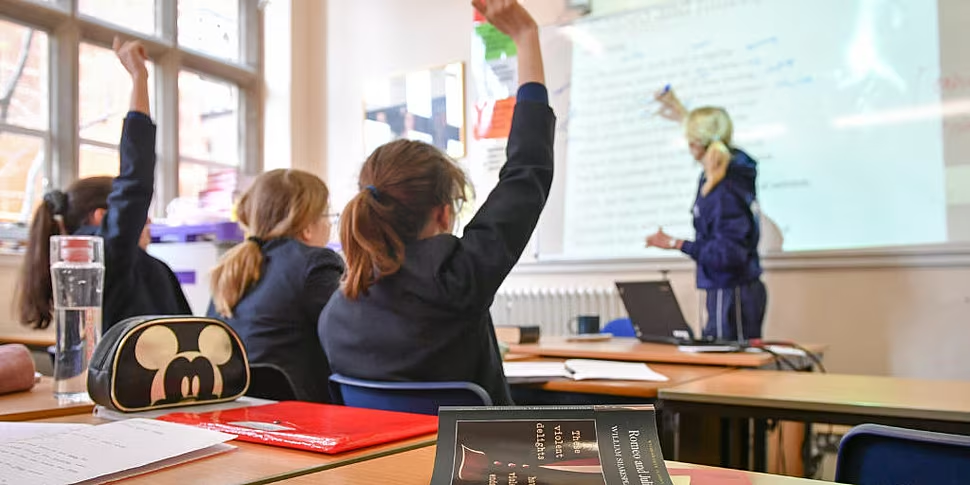
Main image: Children at school. Picture by: Alamy.com.


