




Young female farmers are the driving force behind the revival of organic and nature friendly farming practices in Ireland, a former Minister has said.
The EU’s new Nature Restoration Regulation Ireland’s to restore ecosystems and boost biodiversity.
Ireland remains one of the most nature depleted countries in Europe; however, since 2022, farmers have been able to apply for grants under the Agri-Climate Rural Environment Scheme (ACRES), which has been allocated €1.5 billion to address biodiversity decline.
On The Claire Byrne Show’s summer tour visit to County Laois, former Green Senator Pippa Hackett said there is an “open mindedness” to trying new, nature friendly techniques among Ireland’s farmers.
“Try something different,” she urged.
“It's not maybe what you were told for the last 20, 30, 40 years by your parents before - and that's actually what we're seeing.”
Ms Hackett, who served as a Minister in the Department of Agriculture for five years, added that there is a certain demographic who are especially interested in nature-friendly farming.
It is something that she feels gives her “hope” for the future of farming.
“At the moment, the farmers that are engaging in regenerative and organic practices tend to be younger than the average farmer,” she said.
“There's actually more female farmers in those cohorts and I've had the privilege as a minister to travel all around the country and meet all sorts of different farmers.
“And hand on heart, most of the time, it's the female on the farm, she might not be the name on the herd number, but she's the one who has driven the innovation on the farm.”
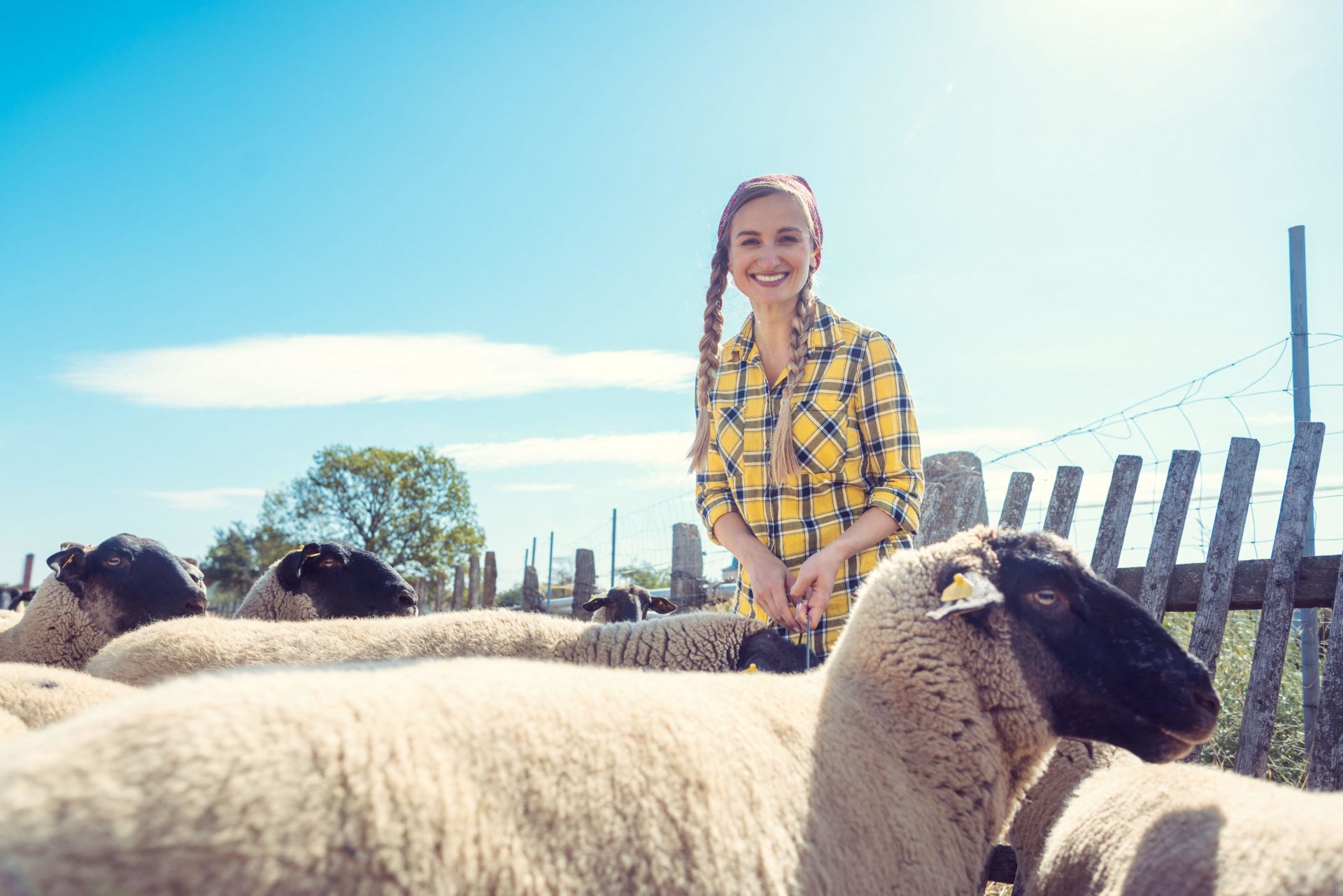 A farmer feeding her sheep. Picture by: Alamy.com.
Also on the programme, Hannah Quinn Mulligan said organic farming had transformed the finances of her family farm.
“We were a struggling beef farm growing up, but I was always kind of maybe organically minded,” she explained.
“When I eventually came home from journalism, I converted the farm to a farm shop, started with an honesty hut, selling eggs at the end of the drive.
“Now over three and a half years, we cannot keep up with demand in the farm shop.”
Now, the farm shop has 200 customers, opens three days a week and employs staff.
“But more important than that, it would not matter tomorrow if I lost all my farm subsidies,” Ms Quinn Mulligan said.
“I scare myself sometimes because it's grown so quickly. And I'm not the only person who could do this.”
Ms Quinn Mulligan added that she had some “issues with the Greens” while in Government but commended their support for organic farmers.
“Some positive things that they did do was an organic processing grant,” she recalled.
“And equipment I couldn't afford initially, I was able to afford because there was a 60% grant there.
“It was very easy to apply to.”
Main image: A female farmer with her cattle. Picture by: Alamy.com.


