



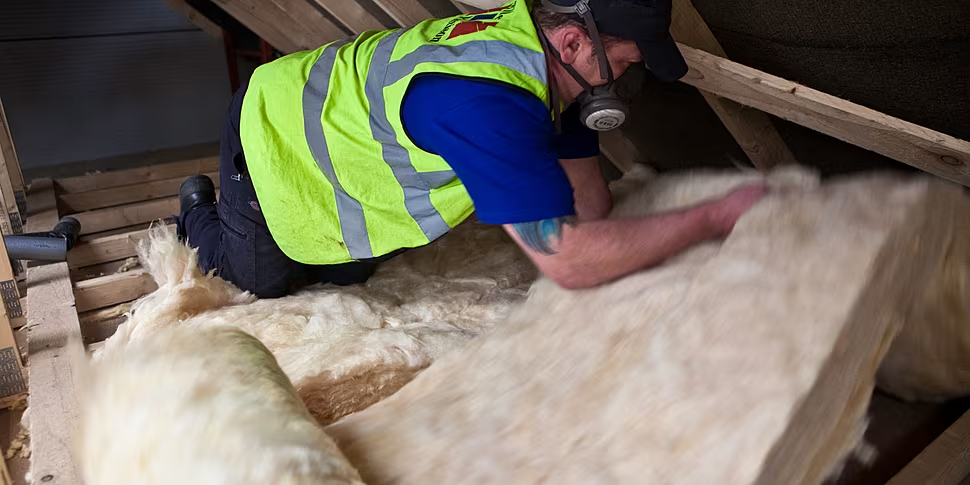
The Government has been urged to consider the ‘hassle factor’ of retrofitting a home when calculating SEAI grants.
The Department of Climate, Energy and the Environment has subsidised the costs of some 244,000 homes since 2019.
However, the Government has set itself a target of doubling that figure to 500,000 properties by the end of 2030.
On Newstalk Breakfast, ESRI economist Muireann Lynch said her organisation has carried out research of how money they feel they need to compensate for the ‘hassle’ they endure while retrofitting their property.
“For the minor or the median disruption, which is kind of what would most closely proxy getting a home energy retrofit, it was kind of anything between zero and €8,000 - which means a couple of things,” she explained.
“First of all, €8,000 was a lot of money and that's what you'd need to pay someone in order to make them indifferent to the disruption associated with minor works.
“For median, it was up to more like €20,000 and for the major, it was €70,000.”
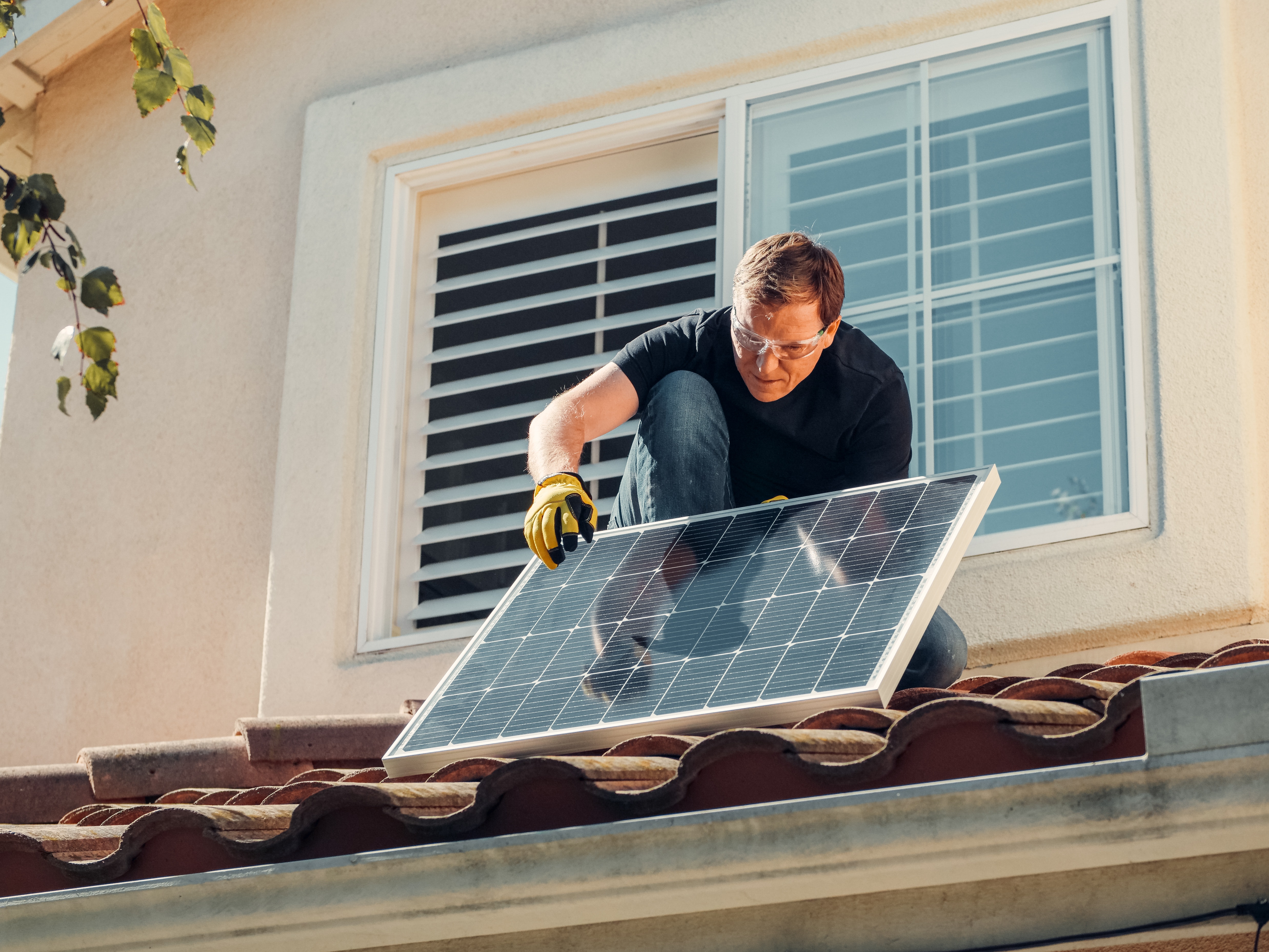 Solar panels on a roof. Picture by: Pexels.com.
Dr Lynch continued that there are clearly a great many people where the ‘hassle’ of retrofitting “doesn't seem to bother them at all”.
It is a phenomenon she believes that the Government should take time to consider.
“They essentially place no hassle at all on the hassle factor and then there are other houses for whom it's quite expensive, like for minor disruption where you kind of retain full use of the house, but there might be some dust and noise,” she said.
“Some people are saying you'd need to give me €8,000 euro to compensate me for that.
“So I suppose the key policy takeaway from that paper is that a one size fits all grant may not be the best option because there are some households that need an awful lot of encouragement.”
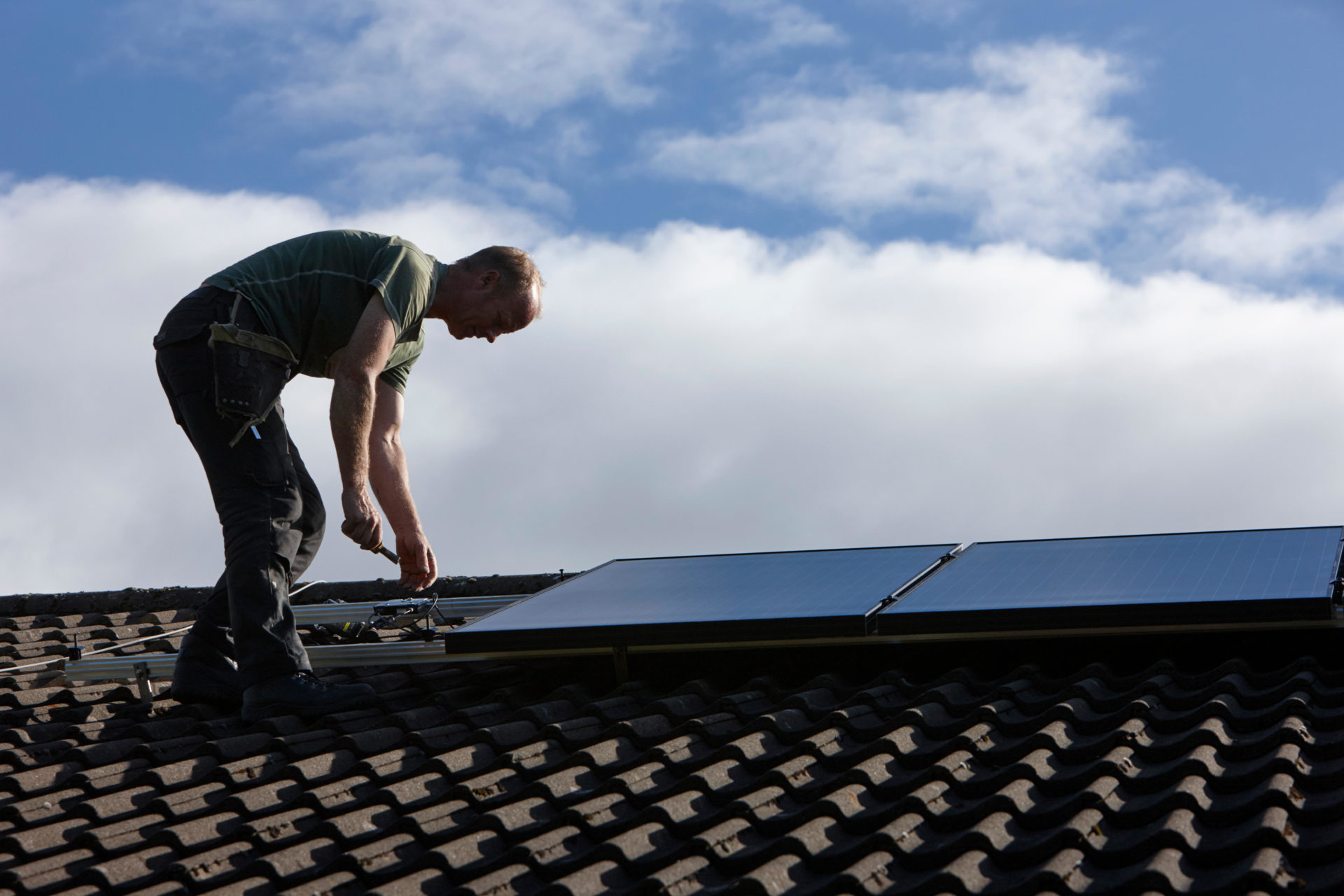 A man installing a rooftop solar panel array. Picture by: Radharc Images / Alamy.
While retrofitting saves households money in the long-term, by making the property more energy efficient and reducing reliance on costly fossil fuels, the up front costs often remain significant.
It means that many are still thinking twice about retrofitting their property - despite the generous grants already in place.
“If we just think the cold hard cash approach, it might be the case that the actual discount on your bills takes 20 years to kind of make itself worth as well,” Dr Lynch said.
“And that's just me trying to figure out there.
“But when we consider that people consider the capital cost and the hassle to be higher than the numbers suggest, but they also consider the benefits to be higher than the numbers suggest, then you trade them off against each other and you might get a totally different figure.”
Main image: Sustainable loft insulation. Picture by: Alamy.com.


