



The National Association of Principals and Deputy Principals has described it as “very worrying” that a significant number of children routinely miss school for non-medical reasons.
New research by Barnado’s has revealed that one fifth of primary school children and one third of secondary school pupils avoid going to school at least once a month for non-medical reasons.
While around half say their child missed school at least once last year for non-medical reasons.
On Newstalk Breakfast, National Association of Principals and Deputy Principals Director Paul Crone says the research “very much” reflects the experience of teachers across the country.
“In 2023, post-COVID, as we really realised that not all students were returning to full attendance, the National Attendance Strategy was implemented, which required all schools to have an attendance strategy,” he said.
“There is a reluctance, a school refusal element that was not there 10 to 15 years ago.
“That is the very, very worrying part.”
Mr Crone continued that the factors influencing school absences are complex but one reason stands out.
“The survey did drill into the reasons, which would match what principals are seeing on the ground and anxiety being the main reason,” he explained.
“Anxiety around social situations, anxiety around friendships, anxiety around academic performance.
“And they seem to be the main drivers for the non-medical absences that students are taking.”
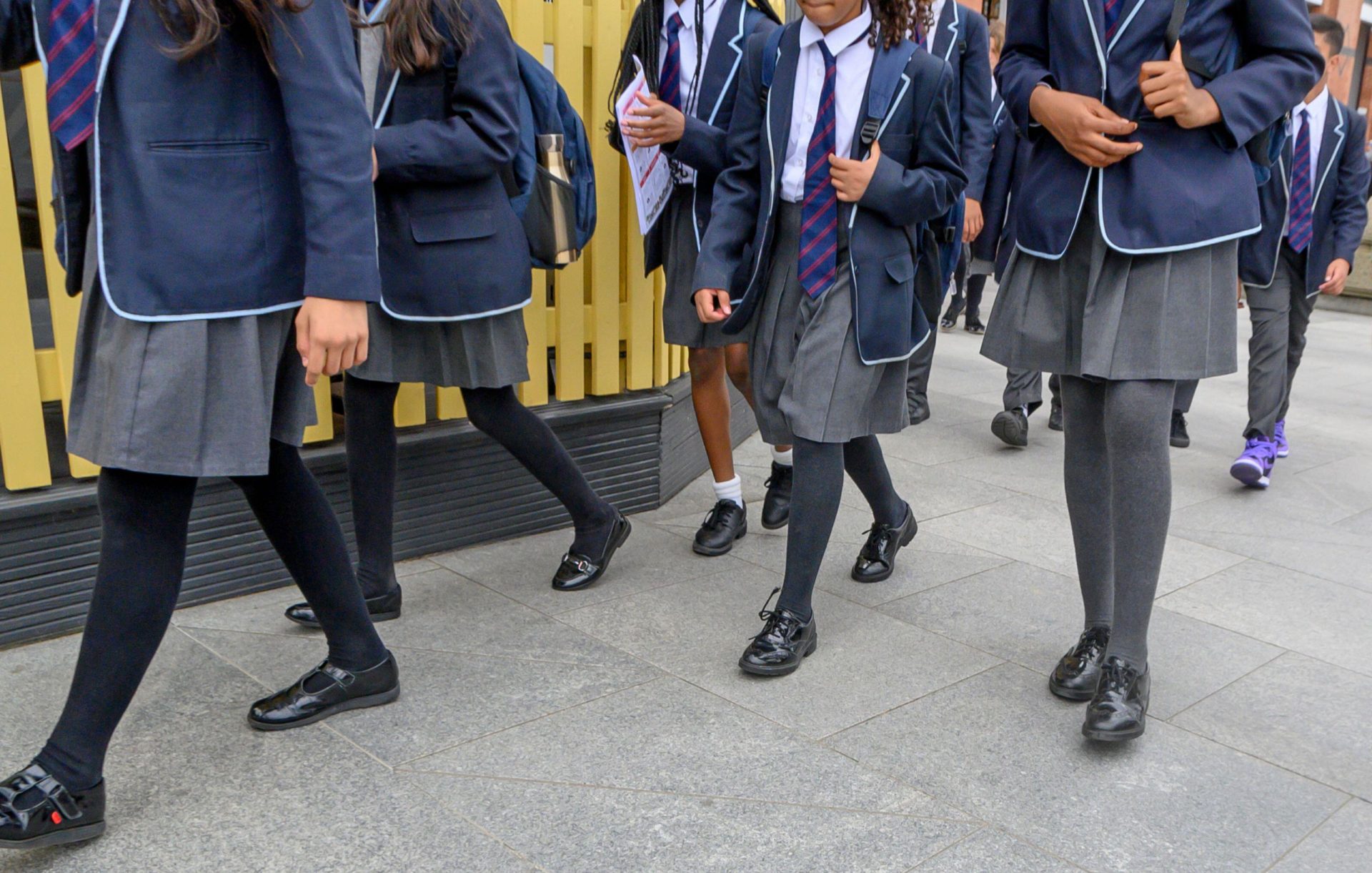 Children in school uniform on a visit. Picture by: PjrTravel / Alamy.
 While some parents consider it harmless to allow a child to skip school occasionally, Mr Crone warned that prolonged school absences usually have a profound impact.
“Students who missed in excess of 20 days in a school year by the time that at age 13, by the age of 20 to 25, had not progressed as well in further or higher education, had lower earning power and their own physical and mental health was worse than students who didn't miss school,” he explained.
“So, the long-term impact of the decision that's made not to attend school today is very stark.”
With just a few weeks to go before Budget 2027 is unveiled, Mr Crone urged the Department of Education to “prioritise attendance” in its negotiations with Tánaiste Simon Harris and Minister Jack Chambers.
“History will not judge us well if we do not address this problem to support our young people because they're the future of our economy,” he said.
“They're the future of our nation; so, we need to invest in things like homeschool community liaison teachers, guidance counsellors, therapeutic services, a lot of which have started now, to be fair.
“The National Council for Special Education is running a pilot on therapeutic services in schools.
“The Deis Plus initiative that was launched this year by the Minister to address schools with the greatest need and giving them additional resources, it has started.”
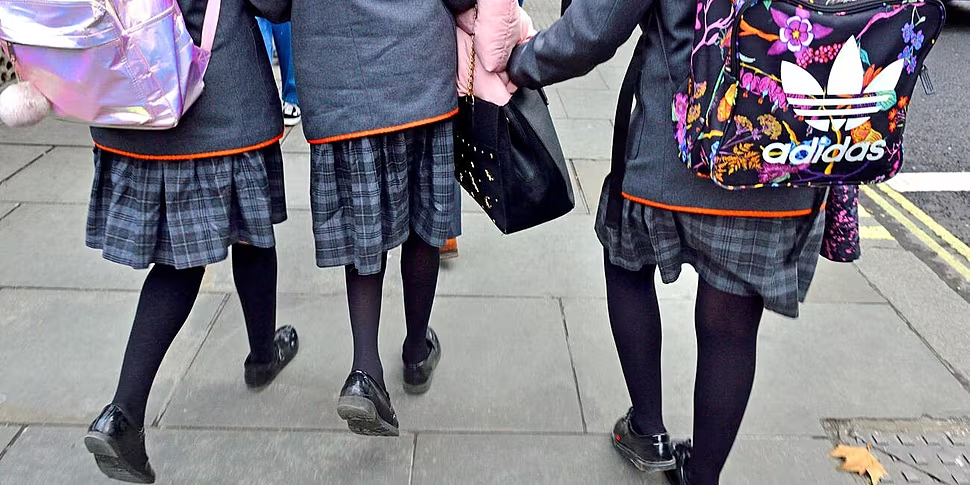
Main image: A group of school children walking in their uniforms. Picture by: PjrTravel / Alamy Stock Photo.


