




Absence from school has a long-term impact on children’s academic achievements and mental health, new research from the ESRI has concluded.
The Growing Up in Ireland study found that even an absence of one or two days at 13 can lead to lower Leaving Certificate grades.
While those children who miss 20 or more days - defined as ‘chronic absence’ - score 80 points on average less than their peers.
The report also concluded that chronic absence between the age of nine and 13 means a child is more likely to suffer from depressive symptoms and higher stress levels between the age of 20 and 25.
On Newstalk Breakfast, ESRI Research Professor Emer Smyth explained that the “red flags come up at different points”.
“For Leaving Cert performance, we see a gradual disimprovement in grades with increased absences,” she said.
“For wellbeing absences, really it's those who are missing more than 10 days a year.
“So, they're the ones that have poorer outcomes in adulthood - and that's like 10 to 12 years later.”
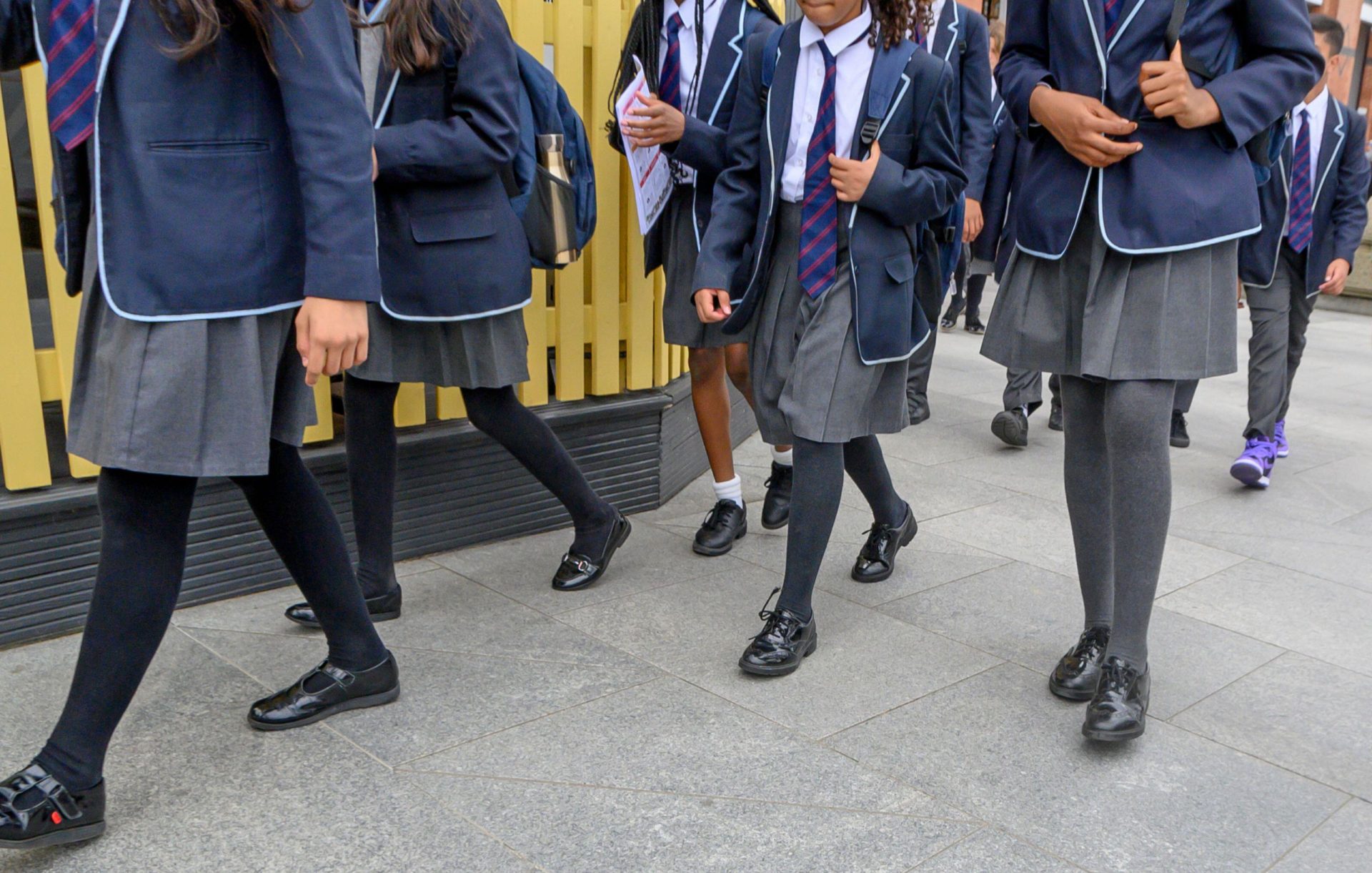 Children in school uniform. Picture by: PjrTravel / Alamy.
Ms Smyth continued that once a child begins to miss school, they struggle to catch up and often become disheartened as their schoolmates make quicker progress.
“You're likely to become more disengaged in terms of school, but also in terms of your peers,” she said.
“You're missing out on those social ties.
“But we hear from young people themselves that those who are absent feel that school made less of a difference to them being well-developed as a person and to having self-confidence and the ability to acquire skills.”
Ms Smyth continued that while working class children are most likely to miss schools, absenteeism takes its toll on a child regardless of their family background.
“More disadvantaged groups have higher absence rates,” she explained.
“But if you're absent from school, the effects are the same across social groups and for girls and boys.
“So, there's no evidence that middle-class families or more advantaged families can protect their children from the effects by helping with schoolwork or paying for grinds, for example.”
Main image: A staged photo of a woman with depression. Picture by: Samuel Wordley / Alamy Stock Photo


