




It is “completely unfair” that ordinary Irish people will see their energy bills increase next year while data centres continue to put huge pressure on the national grid, Sinn Féin has said.
The cost of upgrading the grid has been estimated at around €19 billion and much of that will be paid for by an additional charge added to household electricity bills.
To begin with, €1 plus VAT will be levied on household bills each month - but that could increase to €1.75 depending on the final cost of the upgrades.
On The Hard Shoulder, ESRI spokesperson Muireann Lynch described the upgrade as a “long time coming”.
“What's happening at the moment is there's generators that are available for cheap or free,” she explained.
“So, these might be kind of low cost gas generators or wind generators that are available to generate power, but we're not able to use it because we're just not able to get it onto the grid.
“So, it means that we're wasting an awful lot of cheap or free energy at the moment.”
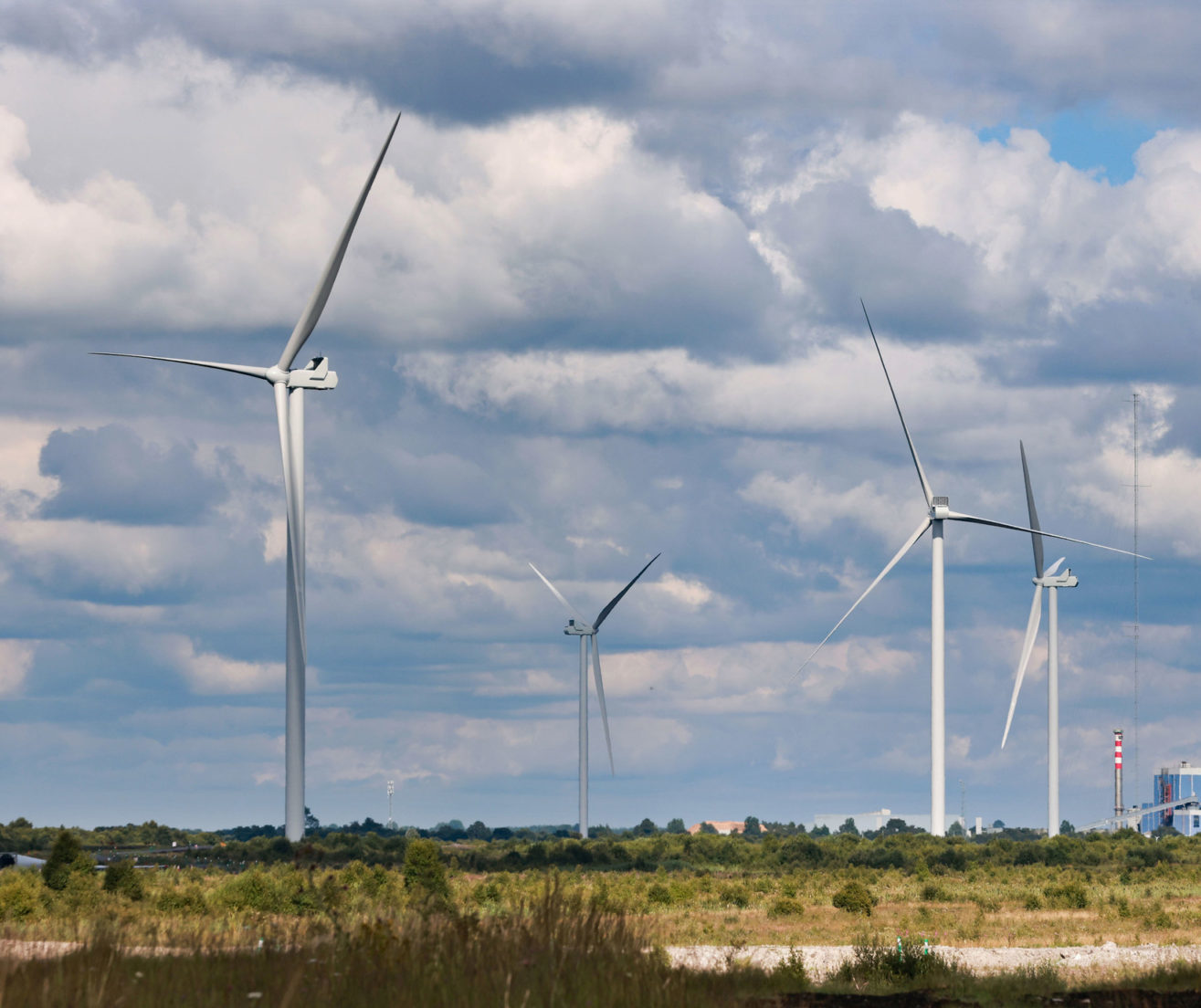 Wind turbines. Picture by: Eamonn Farrell/RollingNews.ie.
The upgrade will allow a further 300,000 new homes to be built and provide the connections needed for the surge in demand for electricity from hundreds of thousands of EVs and heat pumps in the years ahead.
It will also make the grid more resilient to extreme weather events, such as Storm Éowyn.
“The Government is going to pay for some of it directly, which is quite unusual,” Ms Lynch continued.
“Usually somebody who uses a service pays for the service but then consumers are going to cover some of the cost as well.
“And that's split between residential, industrial and commercial consumers; it's not going to fully fall on the residential side.”
 A man installing solar panels. Picture by: Pexels.com.
In the long-term, the upgrades are forecast to reduce bills but, in the meantime, households face paying as much as €25 a year for the upgrades.
Sinn Féin infrastructure spokesperson Mairéad Farrell said it is “very clear” that better infrastructure is needed.
However, she added that it must be financed in a “very fair way” given how many people struggle to pay their bills each month.
“What they can't do is continue to see increases in their bills,” she said.
“We know from that report last month that energy companies are buying electricity at a third of the price that they're selling it on.
“We know that electricity companies are having huge profits; I mean, some are having profits over a billion or close to a billion.”
 A man adjusting a radiator. Picture by: Artem Evdokimov / Alamy.
Deputy Farrell added that much of the pressure on the electricity grid comes from data centres.
With that in mind, she suggested it should be reflected in their contribution towards the upgrades of the national grid.
“In 2015, we saw that around 5% of the State's energy was used by data centres,” she said.
“That's now increased to almost a quarter in 2024 and they're placing huge demand on our energy infrastructure.
“So, if we're looking at funding this in a fair way, then of course data centres need to pay their fair share.”
The Galway West TD continued that data centres need to “fork out if they want to continue to do that”.
“It's completely unfair that hard-pressed working people are subsidising better energy infrastructure so that data centres - who have multi-billion euro [valuations as] companies - can access that energy,” she said.
“Of course, these data centres need to give their fair share, as do those energy providers who are raking in huge profits and charging a huge amount of money for this.”
Split of Mairead Farrell and a data centre. Pictures by: Rolling News and Alamy.


