




Irish exemptions for dyslexic students are often necessary because of the “very old-fashioned” way the language is taught in schools, Dyslexia Ireland has argued.
Sinn Féin has called for the exemption to be scrapped, insisting that there is “absolutely no reason why this policy should be in place”.
TD Shónagh Ní Raghallaigh said that there is “no such thing as a disability in the learning of a second language”, noting that some children have an Irish exemption but still learn a foreign language.
On The Hard Shoulder, Dyslexia Ireland spokesperson Donald Ewing described Irish exemptions as a “reasonable accommodation” for students.
“[It] is often very impactful for severely dyslexic students and, indeed, transformational often for them in terms of how they view school and how they progress with their wider education,” he argued.
When questioned why some dyslexic students are able to learn foreign languages, but are given exemptions from Irish, Mr Ewing described this as “more the exception than the rule”.
“They can get to the point where their English skills in reading and writing are suitably and sufficiently developed that when they are 13, they can perhaps take on a language that starts from scratch, like Spanish, for example,” he said.
“That is orthographically much more regular than English or Irish and also that is often taught in a way that is aligned to the science of reading.
“Which we can't say, unfortunately, about how Irish is taught in primary school at the moment.”
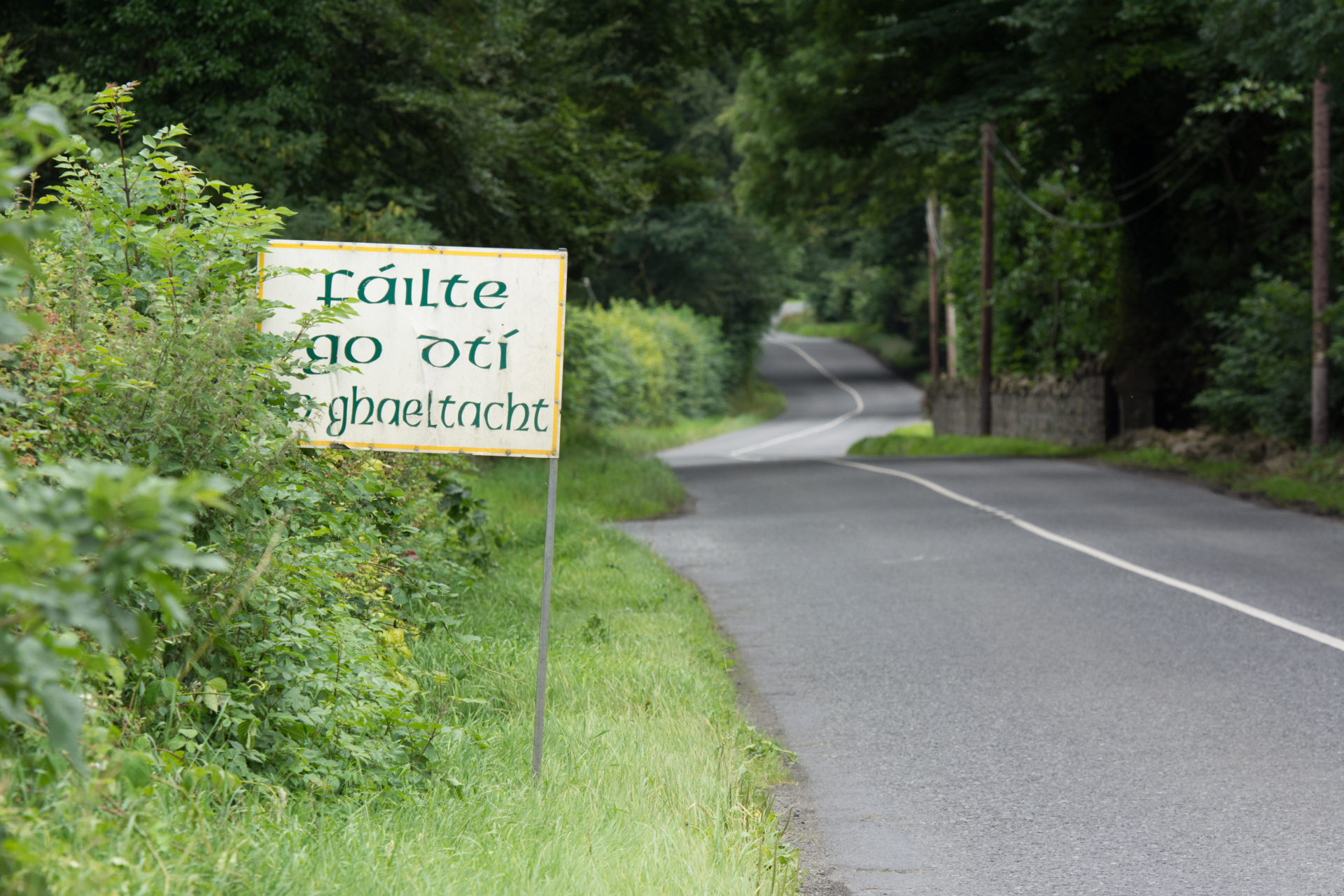 A sign in Irish language welcoming visitors to the Gaeltacht. Picture by: Alamy.com.
Mr Ewing continued that many schools continue to teach Irish badly, arguing that it forces many families to seek exemptions.
“Ask a primary school principal, ‘What phonics scheme do you have in your school?’” he explained.
“You would get a very quick and robust answer, because we've had that approach, the correct approach to teaching English for many, many years.
“If you then ask them what's your Irish phonics programme, you're often met with a bit of a deafening silence and an awkward silence.
“Because we don't teach Irish in a way that is aligned to what the science and the research says about what is optimal for all students and absolutely crucial for dyslexic students in order for them to make progress with their reading and spelling.”
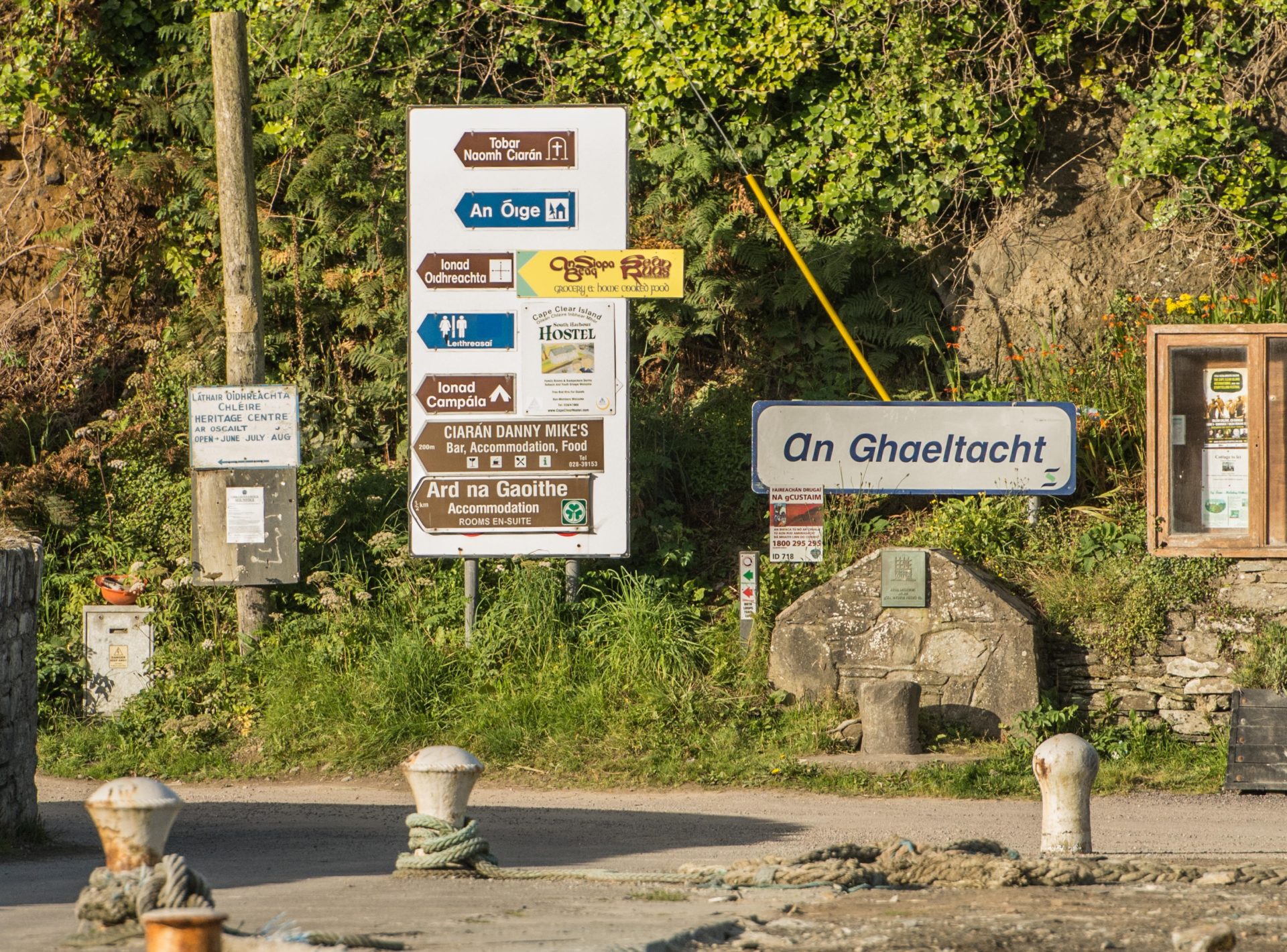 Irish language signs in the Gaeltacht. Picture by: Bernard Golden / Alamy.
Mr Ewing said ideally Irish in primary schools should be taught in a way that is “aligned to what the science says is optimal for all students”.
“We still depend on children learning a bunch of spellings for a Friday spelling test in Irish by taking a very old-fashioned whole word approach,” he argued.
“Often memorising letters and sequences of letters rather than understanding the orthographic code, which is vital.”
Last year, there were 60,946 students with an exemption from Irish - a record number, according to Department of Education figures.
Main image: A group of school children in school uniforms. Picture by: NorthScape / Alamy Stock Photo


