




The number of people in arrears over their electricity bills is “off the scale”, a personal finance expert has warned.
Figures released by the Commission for the Regulation of Utilities (CRU) revealed that 319,459 people were unable to pay their energy bills in December - up from 264,458 at the end of 2024.
On Newstalk Breakfast, Irish Independent Personal Finance Editor Charlie Weston described the “horrendous” figures mean one in seven homes is in arrears.
“I was asking the regulator, the Commission for the Regulation of Utilities, CRU, is this a record?” he said.
“Because it seems very high; I remember when the figure popped over 300,000 - that was a front page story in the Independent.
“We hadn't seen that before and the regulator is saying on these figures, they think it certainly is the highest it's been in the last number of years.”
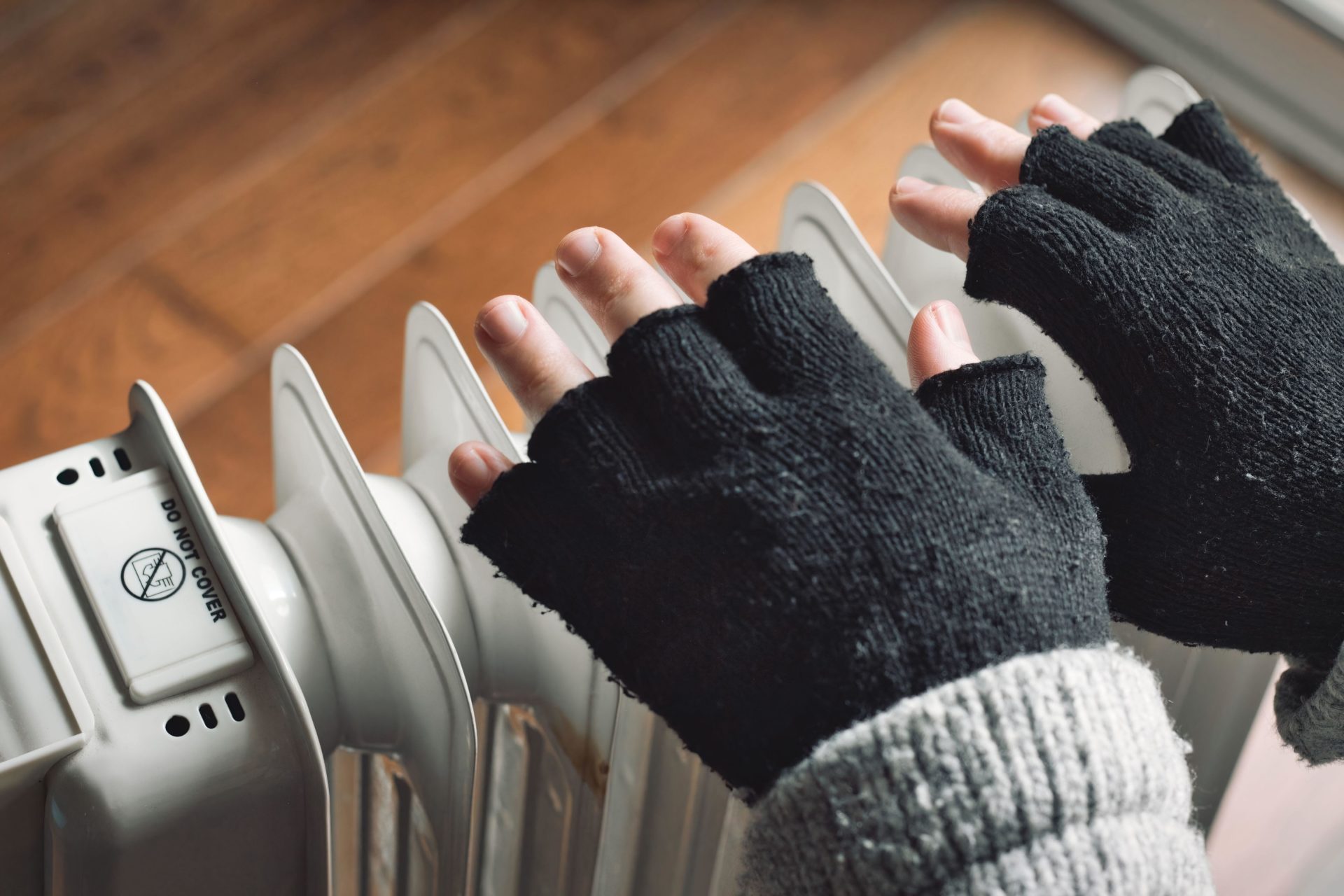 A person wearing black woolly fingerless gloves close to a domestic radiator. Picture by: Tennessee Witney / Alamy.
Energy bills surged in the wake of Putin’s invasion of Ukraine, as western sanctions on Russian fossil fuels sent prices soaring.
While bills have since come down then, Budget 2026 was first since the invasion not to include any energy credits.
However, Mr Weston continued that while the current figures are “off the scale”, the Commission is unsure if they represent a record number of people in arrears, as their data does not cover the period of the financial crash.
“The amount that people owe as well is huge,” he said.
“€466 is the average outstanding bill and within those figures as well, a large chunk of those, nearly all of those people who owe money are 90 days or more in arrears.
“Now, that's when it gets serious.”
Just over one quarter of all gas customers are in arrears as well, with 26% owing money to their provider.
“So, more than a quarter of those who have a gas bill are behind on their payments,” Mr Weston said.
“And they owe an average of €192; again, a big chunk of them are long-term arrears.”
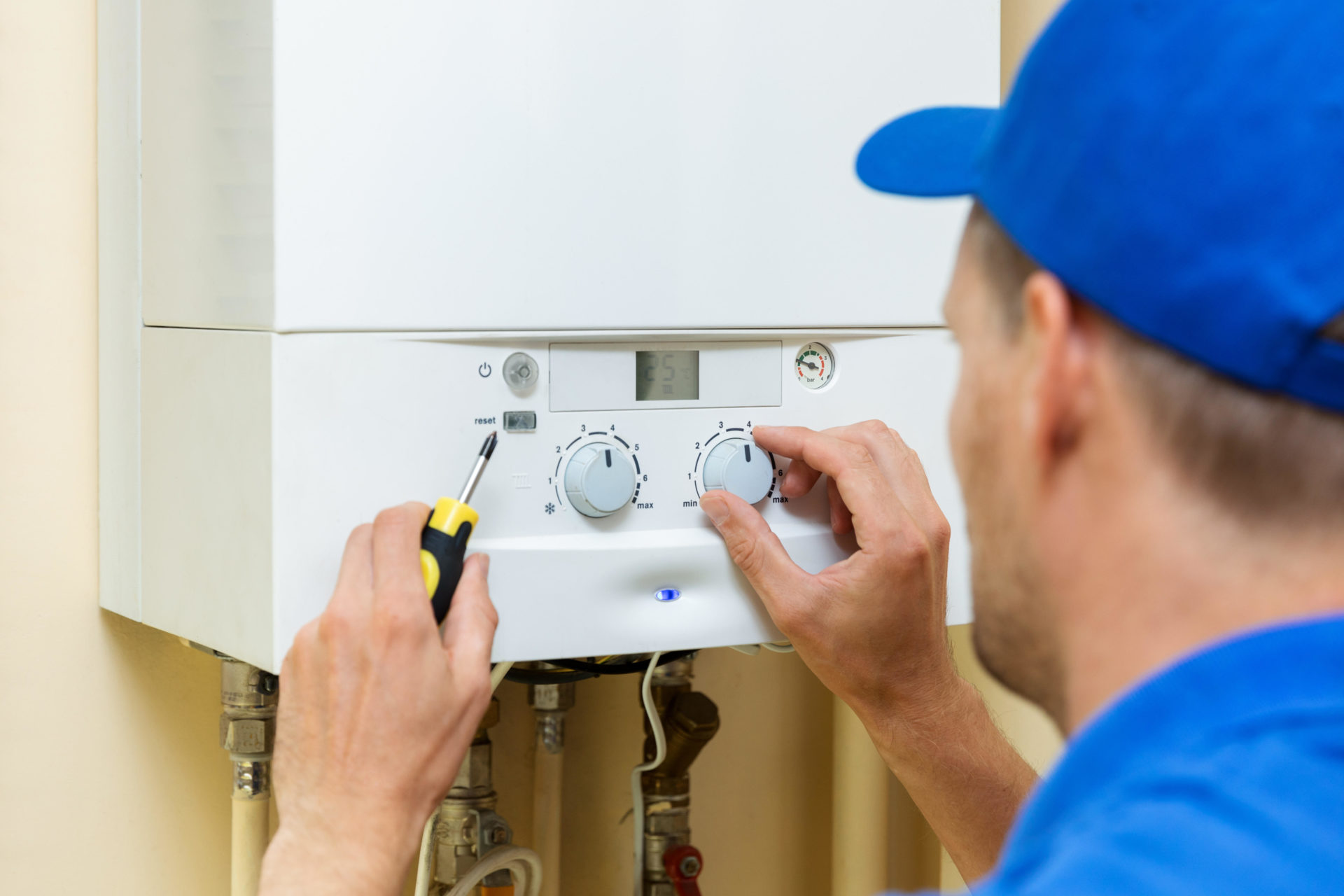 Worker setting up central gas heating boiler at home. Picture by: ronstik/Alamy.
Mr Weston added that potentially some people have made a conscious choice not to pay their energy bills, with so many other competing demands on their finances.
“There is a moratorium on disconnections during the winter, so that people don't end up with no electricity over Christmas,” he said.
“And the number of disconnect connections is tiny.
“So, that may be a factor; people don't see a big problem if they stop paying, if they may be prioritising food, which, as we know, has gone through the roof.”
Main image: A woman in a cold home. Picture by: Alamy Stock Photo.


