




People could die because of the looming ambulance strike - but the Government is to blame, a trade unionist has argued.
Some 2,000 members of UNITE and SIPTU began industrial action from 8am this tomorrow, amid a bitter dispute with the Government over pay for ambulance staff.
People who need an ambulance have been told they should still call 999, but those experiencing cardiac or respiratory arrest, as well as serious injuries will be prioritised.
However, the HSE has said the ability of the National Ambulance Service to respond to requests for help will be “significantly impacted”.
On Newstalk Breakfast, UNITE’s Eoin Drummey was asked whether the strike puts people’s lives at risk.
“Well, ultimately it does,” he responded.
“And the blame will lie squarely with the Government and the Minister of Health.”
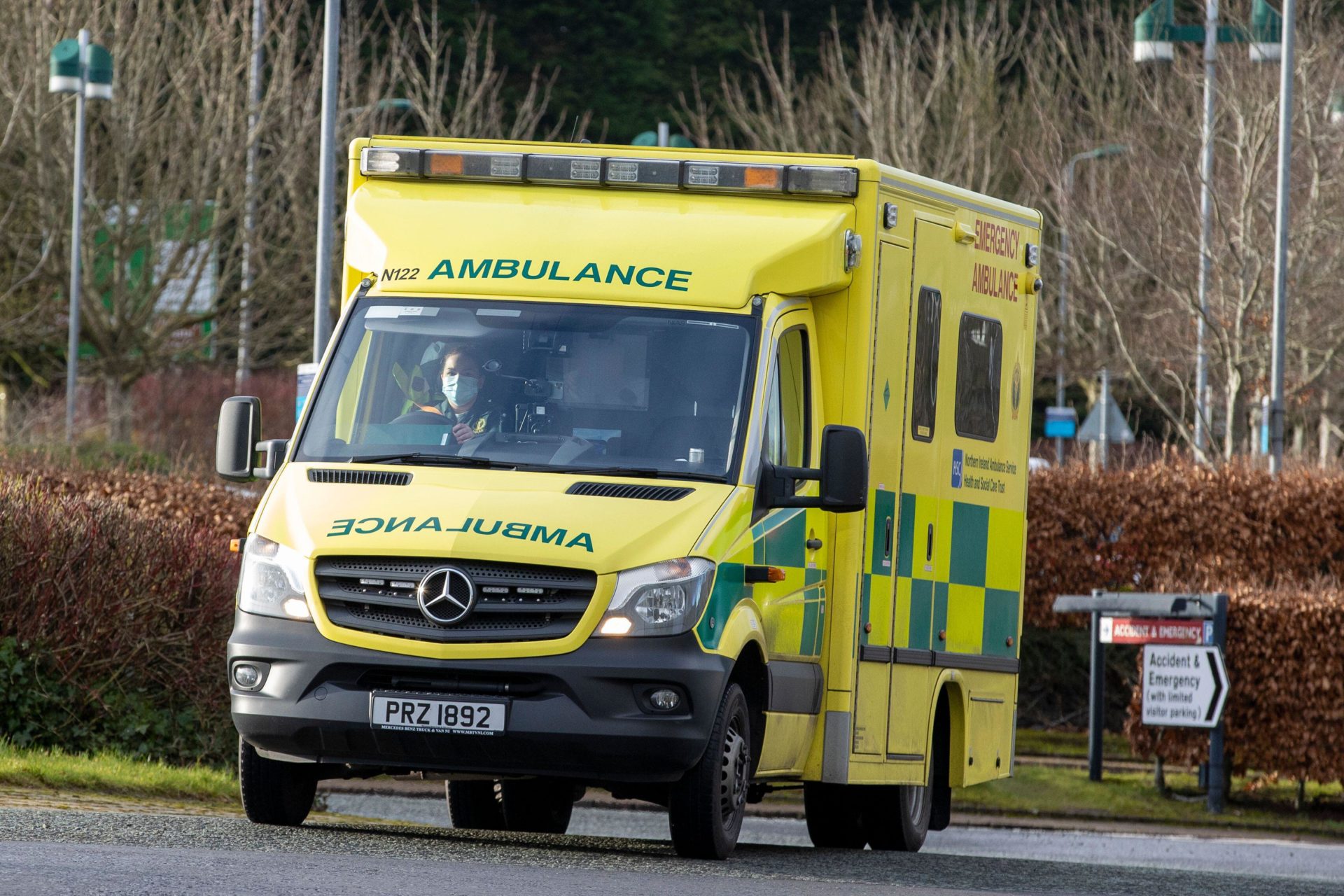 An ambulance. Picture by: RollingNews.ie.
Mr Drummey said ambulance staff “care deeply about patient care” but said they were left with no choice.
“This dispute and the legitimacy of the dispute is and was entirely avoidable,” he argued.
“The responsibility for any disruption rests squarely with HSE management and Government who fail to act on recommendations that are essentially now six years old.
“We've engaged over the course of the last week in contingency planning, as we're obliged to do so.
“There is emergency ambulance cover and personnel on the ground tomorrow across each of the regions.”
Mr Drummey also criticised the HSE for the manner in which they have alerted the public to the strike.
“I note that the HSE, I suppose, have been a bit slow in terms of getting communication out to members of the public,” he said.
“I suppose that's synonymous with the HSE in its entirety.”
In a statement to Newstalk, the Department of Health described the strike as "regrettable".
"The State accepts that National Ambulance Service pay structures need to be modernised," a spokesperson said.
"Previous engagement at the Workplace Relations Commission (WRC) concluded with the State offering pay increases of 3-14%, on top of the 9.25% increase under the current Public Service Agreement.
"These increases were linked to essential service reforms designed to improve patient care, response times and how services are delivered, by supporting better deployment and training and professional development of staff.
"The only way to resolve this issue is through dialogue, and we strongly urge the unions to re‑engage with management in the Health Service Executive (HSE)."
Main image: An ambulance in County Laois. Picture by: Niall Carson/PA.


