




A Lunchtime Live listener wrote to the show to express their concern about the eligibility criteria for Ireland’s publicly funded IVF scheme, arguing that it discriminates against same-sex female couples.
The listener said the policy is inconsistent with the state’s commitment to equality.
The scheme excludes anyone who is in a same-sex relationship, single or requiring donor sperm or donor eggs.
This criteria excludes almost all same-sex female couples from accessing state-funded treatment.
“It’s hard not to take it personally”
Helen, a listener who phoned in, said the exclusion leaves families like hers feeling overlooked.
“It can feel a little frustrating.
It’s hard not to take it personally, but I think it’s all about finances at the end of the day,” she said.
Helen, who has a wife and two children, described the neglect she has felt from the government to recognise her fully as a parent on her children’s birth certificates.
“There’s still a huge way to go,” she said.
She and her partner faced a series of medical problems on their journey to parenthood, with one living with endometriosis and the other having a low egg count.
“We probably spent €120,000 trying to have children,” Helen said.
“They should have offered IVF to every couple who needed it.”
Another caller, Renée, agreed that the scheme is flawed:
“The way they’ve administered the scheme is just all wrong,” she said.
“They absolutely could have made it a more inclusive scheme and allowed any couple a certain amount towards their fertility treatment.”
She argued that even if the scheme excluded donor eggs or sperm, same-sex couples could choose to pay for those elements themselves.
“There absolutely could have been a more inclusive way of doing this.”
Government officials have previously suggested the scheme will expand over time, but Renée isn’t confident:
“There were promises last year that it would be expanded, but there’s no sign of that happening, ” she added.
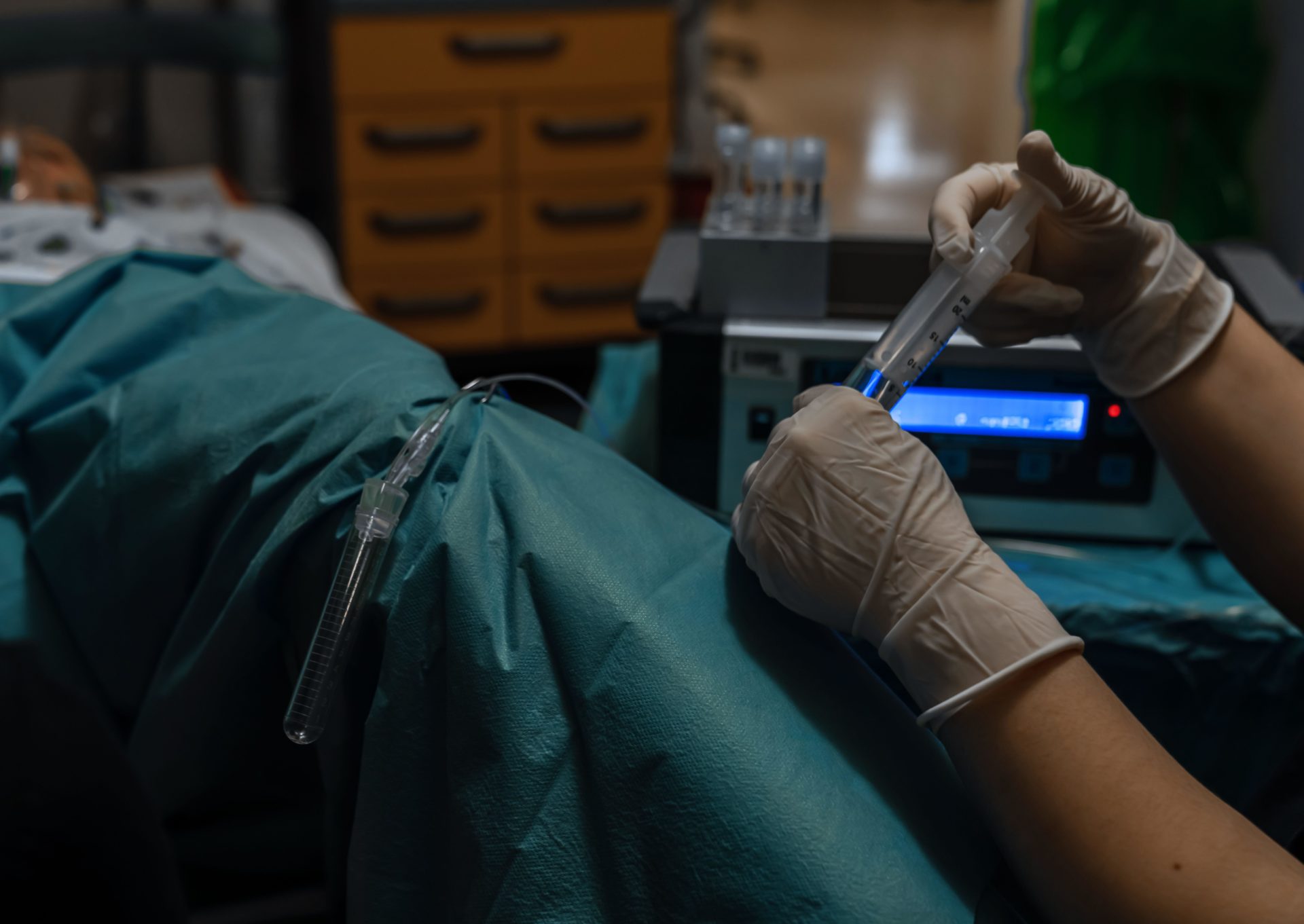 Egg retrieval from a female donor in IVF treatment, egg freezing
Renée stressed that the issue affects all families, but especially same-sex couples who face additional legal constraints.
“A same-sex couple has to go to an Irish fertility clinic and have their child born in Ireland for both parents to be on the birth certificate.
A heterosexual couple, on the other hand, can go abroad for treatment and still both be registered as the child's parents.
That’s a huge discrimination.”
Laura, another listener, is pregnant with her first child after self-funding IVF with her same-sex partner.
“We were fortunate enough to only need one round this time, but it’s still a lot of money,” she said.
“To know there is support for other people who may just be in different circumstances doesn’t make sense.
You would think that we’re being deliberately excluded.”
Department of Health responds
In a statement to Newstalk, the Department of Health said there are “complex regulatory and clinical issues” surrounding certain categories of assisted human reproduction.
They noted that:
“In the case of treatment involving the use of donated gametes, there is regulation at European level concerning the quality and safety of procedures and the Children and Family Relationships Act from 2015 deals with matters relating to parentage and the right to identify donor-conceived children arising from these procedures.
There are also a number of further clinical and regulatory requirements regarding the donation and use which are being considered as part of the ongoing review of the publicly funded Assisted Human Reproduction Treatment Initiative."
Written by Annemarie Roberts


