




Does taking weight loss medication increase the risk of blindness in patients?
The drugs have revolutionised the treatment of obesity in recent years, with many people praising the medication as life changing.
However, some have raised concerns about potential negative side effects of the drugs.
Notably, one inquest in Cork last year heard that a 66 year old grandmother died of organ failure after taking Ozempic.
On The Claire Byrne Show, preventative cardiologist Dr Paddy Barrett said there is a “lot of confusion” about weight loss medication.
Primarily, however, he believes that users need to be aware that nothing in life is entirely risk free.
“There are no solutions, there are only trade-offs,” he explained.
“So, every decision that you make, you're trying to make a decision around risks on either side of an equation - whether you take a car, whether you cycle, whether you take a train? There comes pros and cons and there are risks and trade-offs.
“The question is always, which risk do you want to dance with in terms of making your decisions? I think people need to better understand that aspect first.”
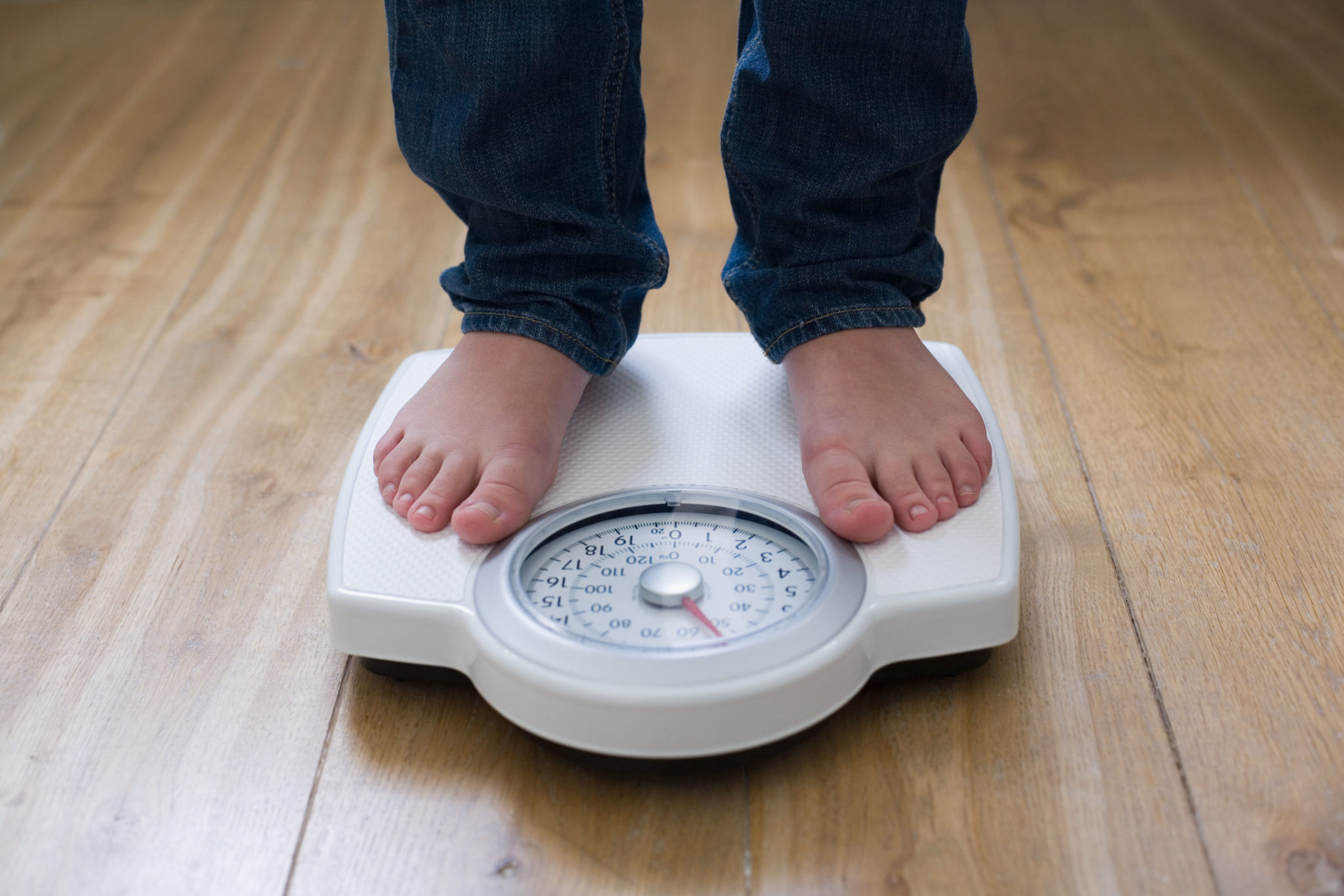 A person standing on the scales. Picture by: Alamy.com
Dr Barrett continued that while one in five people will experience minor side effects, most patients take the drug without issue “if prescribed correctly”.
“The key side effects that will affect about 20% of people are things like nausea, sometimes vomiting and constipation,” he said.
However, a small number of people do experience side effects that have life changing consequences.
“In terms of the more serious side effects that we have heard about, there was this question around pancreatitis - which is obviously a very severe thing,” he said.
“There is very mixed literature on this in terms of whether it's likely to be a real phenomenon.
“Then the question around blindness has actually arisen, that is a very clear signal.
“Now, the key thing to point out here is that the absolute risk of incurring difficulties with vision in terms of this particular condition we're talking about is exceptionally low in the order of like 0.3%.
“But again, this comes down to the question of balancing risks and trade-offs.”
Anyone looking to take weight loss medication is advised to consult a doctor beforehand.
Main image: A woman injecting weight loss medication. Picture by: Alamy.com.


