




As we head into 2026, major shifts in technology are set to affect everyday life, including new phone formats, how we use artificial intelligence and even how we identify ourselves online.
On The Anton Savage Show, guest host Sean Defoe spoke with Adrian Weckler, tech editor of the Irish Independent and host of the Big Tech Show podcast, about what listeners can expect in the year ahead.
One of the biggest developments could be the arrival of a folding iPhone.

“Anybody who’s been looking at the development of smartphones, will have seen Samsung with several folding phones,” Weckler said.
“It looks very likely that Apple will do it this year.” He warned that high prices could limit appeal: a folding iPhone could cost “a minimum of €2,500, maybe even €3,000.”
Artificial intelligence will continue to embed itself in daily life, Weckler predicts, even as some parts of the AI “bubble” falter.
“Oracle has lost almost half of its value Nvidia has lost 20% of its value,” he noted, while some AI firms with massive valuations are earning only modest revenue. Still, he believes AI won’t disappear:
“By the end of 2026 people will be using ChatGPT every day looking stuff up about their health, how to open their car’s bonnet or replace the oil.”
Looking at hardware makers, Weckler said Intel could be a standout performer after years in the doldrums.
“Their stock price is up 80 percent and they’re signing a lot more customers,” he said, pointing to new factory tours and a growing foundry business.
Big changes may also be coming in how we prove who we are online. Weckler outlined the EU’s digital identity wallet, a state‑backed system designed to hold passports, driver’s licences and health data.
“The idea is now to try and make it a requirement to use social media,” he explained, describing a push to “ban anonymity online,” something that might sound dystopian but is gaining traction.
That ties into another trend for 2026:
The war on dodgy TV boxes.
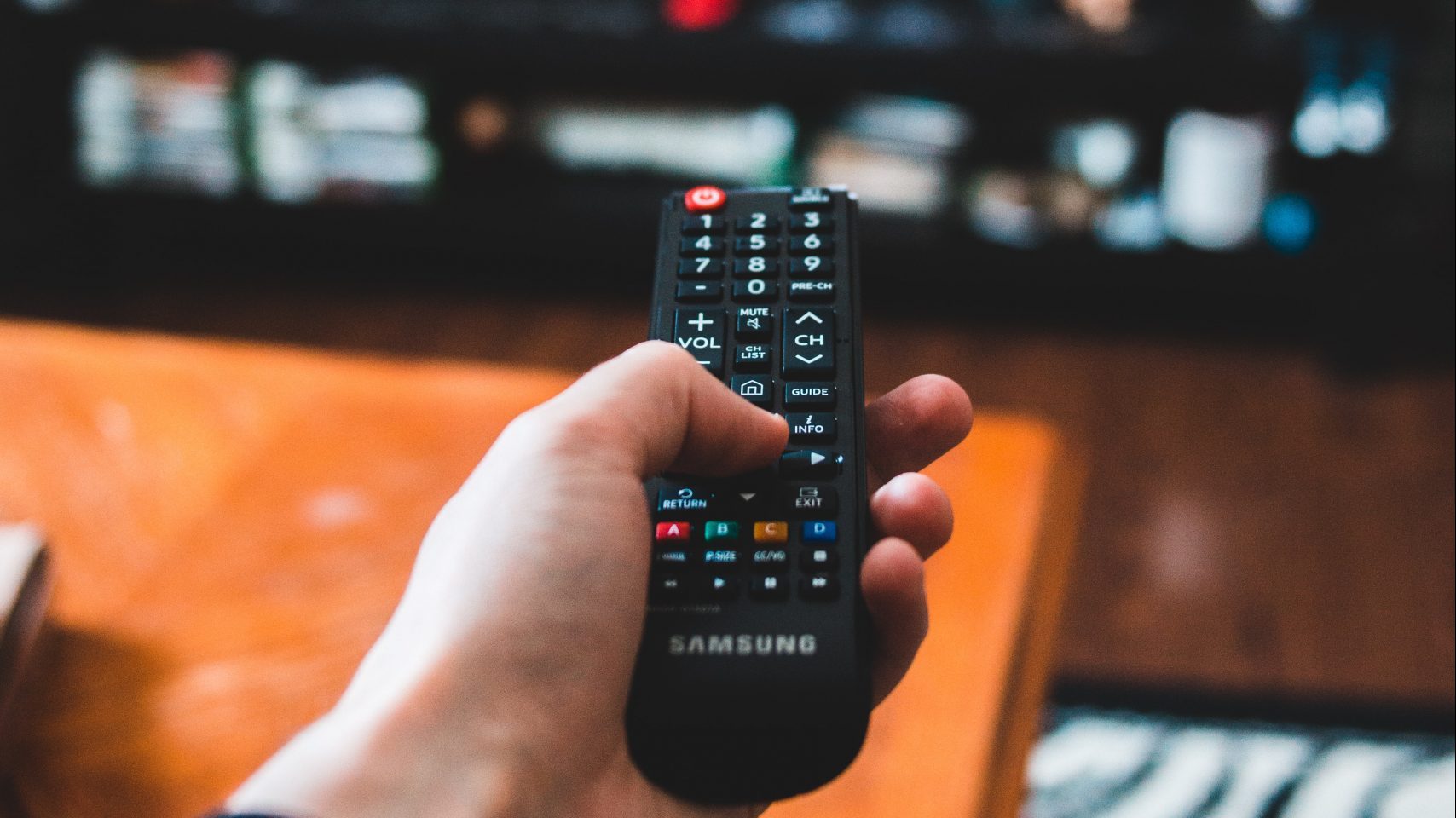
Weckler said broadcasters like Sky are pushing to follow Italy’s approach, where individuals using illegal streaming devices receive fines.
“They get the equivalent of a penalty points notice and they have to pay €100, €200, so I think that’s where we’re going,” he said.
Weckler conceded that not all predictions will come to pass, but said the overarching theme for next year is integration:
Tech moving from novelty to everyday utility, and policy trying to keep pace.
“People are all trying to get to the same place, a bit more harmony, a bit more civil discourse online,” he said, noting that scepticism about government and big tech can sometimes hold back progress.


