




AI “afterlife” services let people create digital twins that outlive them, trained on voice, memories and data. Marketed to ease the grieving process, these avatars are already available through some services.
The digital afterlife was described as the idea that your voice, your memories, even your physical appearance could be in some way captured forever and live on in the digital space.
However, it presents a series of ethical, legal and regulatory issues.
Andy O'Donoghue, technology broadcaster and columnist joined Emmett Oliver on Newstalk Saturday to discuss.
Mr O’Donoghue explained that death bots or grief bots are AI systems that are trained on a deceased person’s digital footprint. They are trained on the texts and voice messages and social media videos that someone created during their life.
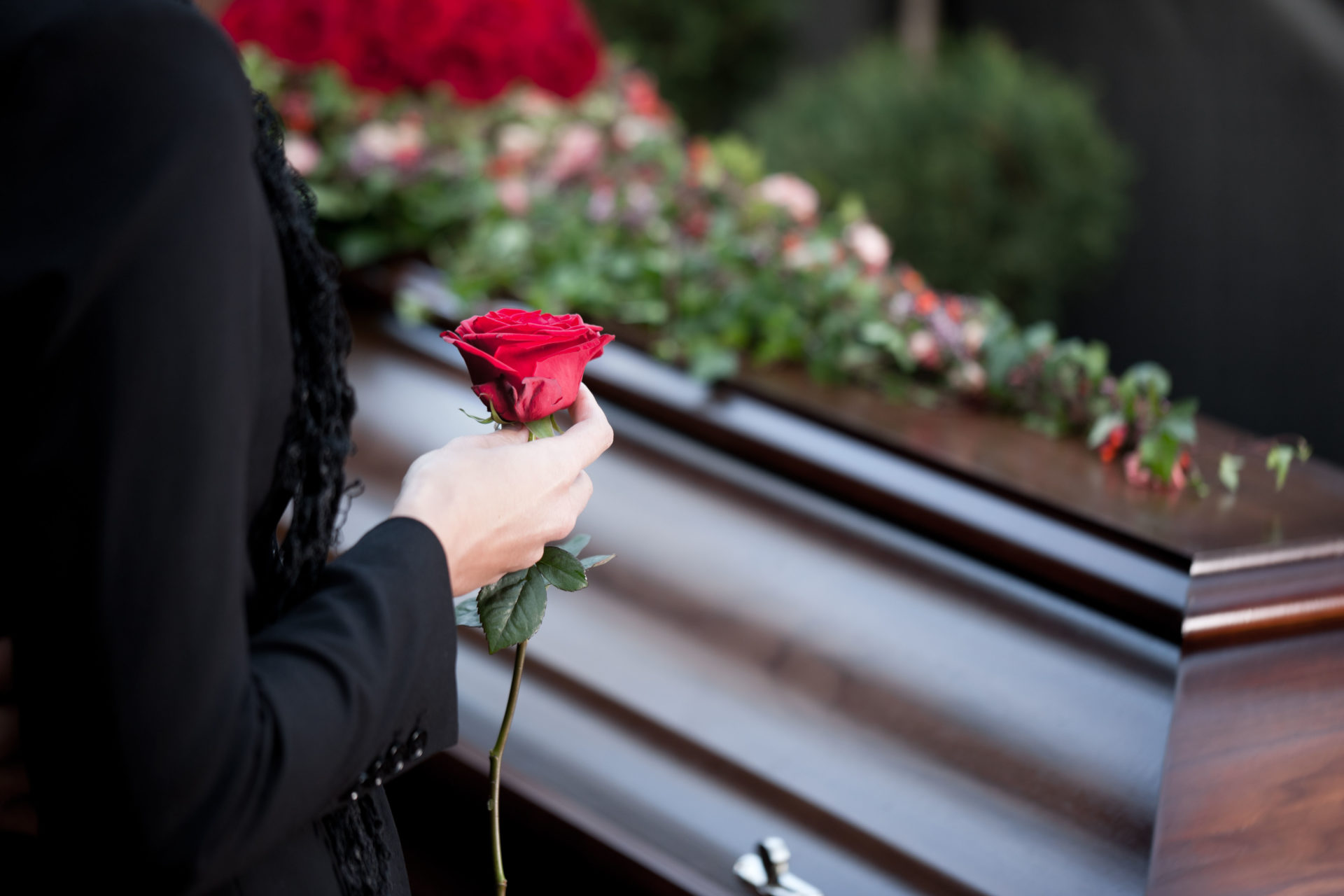 Funeral. Picture by Alamy.
“This tech no longer belongs to the future, some of it is already available starting at about 25 euros or dollars per month. The industry is effectively booming”, he told Newstalk.
The ensemble of tech is called ‘grief tech’ and companies like Alternos and Palo Alto are already helping customers to create AI twins of themselves before they die.
However, concerns have been raised about image rights and one’s right to their own voice and likeness.
“The appeal of this is very obvious and very human,” Mr O’Donoghue said.
“Grief is devastating. If people were able to hear their mothers voice again or get advice from their late father or even let children ask questions to a grandparent - it all sounds very comforting.
“Where it gets troubling is that there are no personality rights after death in most jurisdictions. Once you die, you have no legal protection over your identity.”
Indeed, once duplicated, one’s digital twin can say anything as copyright only protects training data. Literally it means that you may own the recordings that train the AI but you do not own what the AI generates.
Mr O’Donoghue outlines how in such companies, terms and conditions that would make this explicit tend to be buried often. Companies also reserve extensive reuse rights so once you pass, the grief bot may not belong to your estate.
 The Meta logo on a buidling. Picture by: The Associated Press.
 It is unclear if this is something that can be inherited or sold as there is no consent from the dead. In other cases, a relative may create a grief bot from a person who never consented to this - violating their right to their likeness.
“The problem with grief tech is that people are perhaps at their most vulnerable when they are suffering from grief”, said Mr O’Donoghue.
“I think that’s where the danger of legislation lagging behind by years is here.
“The other part of this problem is that a lot of the content whether it’s videos, posts or general text is owned by Meta. They have copyright ownership.”
Research led at Cambridge University has warned about the size, social and psychological risks of such technology.
For Andy O'Donoghue, technology broadcaster and columnist, grief tech might sound comforting at times but it might also aid the healthy processing of loss.
“I would say I’m somehow fearful we’re running a psychological experiment on grieving people without controls, oversight or clear understanding of the consequences.”
Main Image: Alamy.


