


A new documentary about neurodivergence and the impact of an autism diagnosis in later life is coming to our TV screens tonight.
Neurodivergence: The Making of Me, will be broadcast on RTÉ One and looks at some first-hand accounts from people who have experienced a diagnosis later than others.
One of the people highlighted in the documentary is 19-year-old Saraid from Co Kilkenny who faced difficulties in school and transitioning to university.
She told Lunchtime Live how she and her family never made the connection between some of her feelings and behaviours were symptoms of autism, and it wasn't until her mid-teens that she was diagnosed.
He shared: "I suppose there were a lot of symptoms I was experiencing from a young age, all the way up to when I got my diagnosis, but we didn't really know that those symptoms were symptoms of autism.
"So I struggled quite a bit socially from quite a young age in terms of making friends and understanding social cues, and that definitely was picked up on by other children in my class.
"I struggled quite a bit with that. There was definitely some bullying that happened as a result of that, as a result of people noticing that there was a difference with me.
"And then around fifth class, I started to become quite anxious about [going] to school just because of the way I was being treated by people and the fact that I could kind of feel that I was different.
"There were times where I'd end up coming home from school and just telling my mum how tired I was and how I felt like I was acting the entire time and I wasn't being myself."
She shared how it wasn't until she was 14 or 15 that the potential of being autistic was shared with her.
The idea hadn't crossed her mind as she was used to the stereotypical iteration of autism being presented online and in the media.
Her mother, though, read an article about a woman with autism, and her description was similar to what Saraid was experiencing.
After agreeing with her mother's observation, she was put on the waitlist for the assessment and it was about a year and a half before that took place and she was diagnosed.
Speaking on how the diagnosis changed things for her, Saraid explained: "I think I was definitely able to be a bit kinder to myself and find ways to support myself instead of fighting the way I was.
"I think there definitely needs to be more awareness. I think there is some representation of autism in the media, but a lot of it is very stereotypical.
"And although it does represent some people's story, it definitely doesn't represent a lot of people's autism.
"I think the more representation, the more awareness that we bring, the better people can support others and just show compassion."
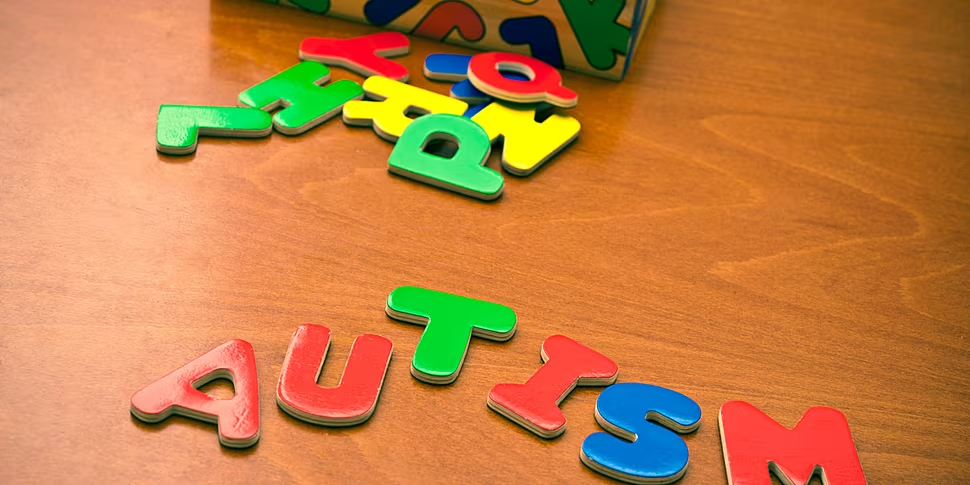
Main image: Word autism written with colourful kids magnetic letters. Pic: Alamy


