



Children’s Ombudsman, Dr Niall Muldoon spoke to Pat Kenny about severe Ireland's care system is increasingly under.
A major new report on Ireland's care system released this week describes a system under severe strain with falling foster care numbers, growing reliance on private residential providers and serious gaps in support for carers.
Dr Niall Muldoon, Children’s Ombudsman agreed that children may be even less safe in state care than they would be if they were left alone in their domestic circumstances.
This is due to circumstances in which children are being brought into care and ending up in special emergency accommodation, which is an unregulated system.
“There's supposed to be social workers across all this. It doesn't happen”, he told The Pat Kenny Show on Saturday.
“A lot of the time children report situations in which the staff are unqualified and they would have no routine throughout the day.
“They wouldn’t be going to school, they wouldn't have therapy. They would have no occasion to get up in the mornings, they don't have guaranteed food. It’s a really poor situation.
“They wouldn't have therapy. They would have no occasion to get up in the mornings, they don't have guaranteed food.”
The strategy for Tusla from 2021 to 2025 was to reduce the level of private residential setting and private accommodations like this, because these are totally unregulated.
Mr Muldoon said that the state should be able to provide its own accommodation for children but that there had been a surge in the number of children needing such services.
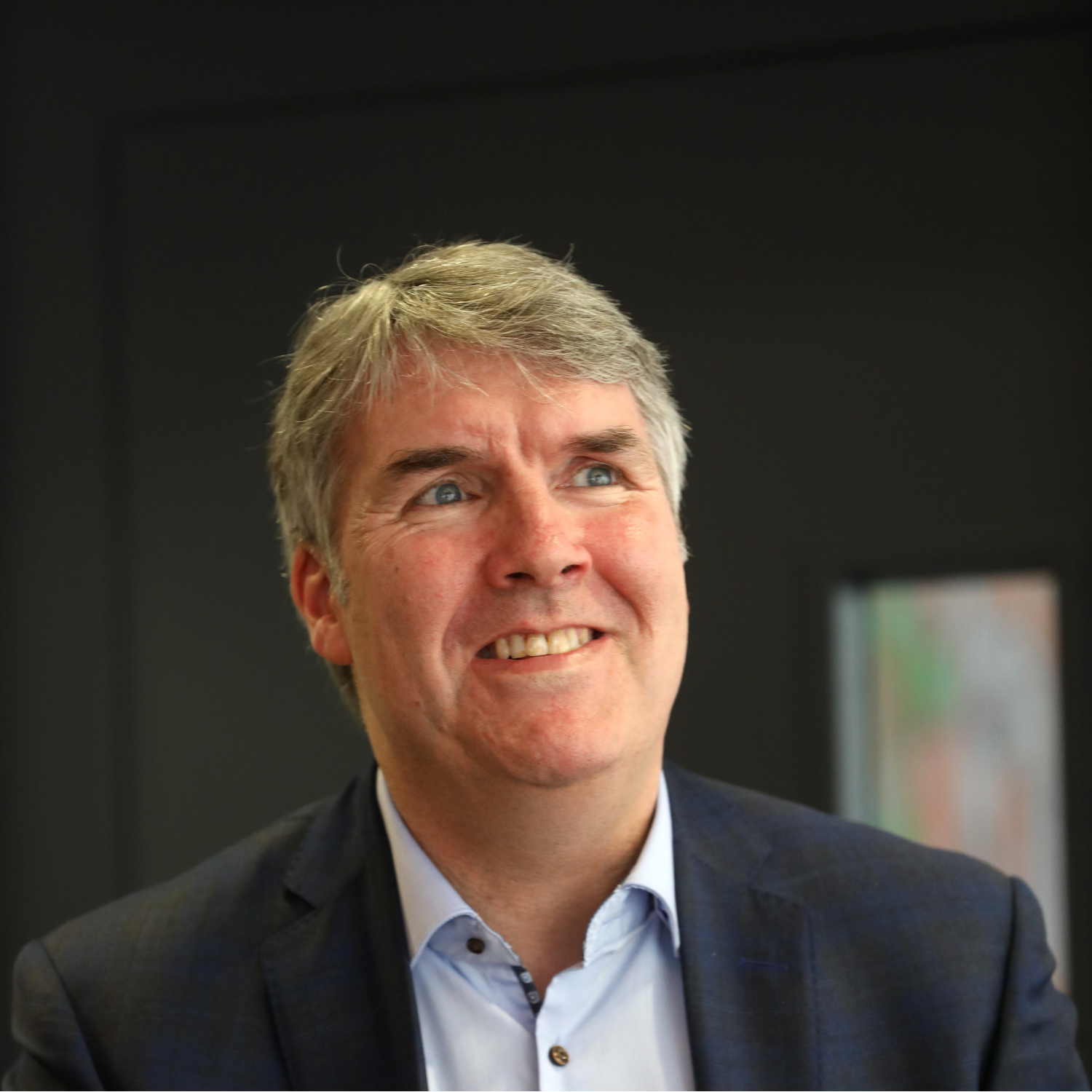 Dr Niall Muldoon, Children's Ombudsman.
“Our children’s population has grown up with about 60 '000 people in the last five years, the Ukrainian war which has caused an increase in special unaccompanied minors coming to Ireland.
“We also have a change in Irish circumstances with a lot more reporting of domestic violence.”
He added that the number of children provided with foster families had decreased from 92% to 85% in recent years.
“I don't think foster parents adopt children for the money, but nor should they be financially disadvantaged when they do it.
“I think this is where the problem is. We're providing in allowance. I think we're still in the mindset of volunteers and helping a volunteer to help us. But in reality, we are taking a child into care. We should be doing better than the parents ever did before.
“We're asking the foster parents to look after these children in the best possible way.”
He added that active campaigning had been done for kinship care to be recognised as a formal form of fostering type scenario.
Those taking on the charge of caring for kin would be given a small allowance but the issue remains that they are not officially seen as a carer for the child which makes it difficult for them to make decisions about the child’s life.
“Those kinship carers cannot make a decision about schooling. It still sits with the parent who has lost the child, it sits with them. Similarly, if they want to go on holidays, they can't take them out of the country.
“They can't make medical decisions. There's no consent.”
 The Department for Education.
Muldoon told Newstalk the Department of Education and Department of Health need to collaborate to provide sufficient carers for children within Ireland's care system.
He suggested that better kinship care could help solve some of the deep rooted issues in the Irish foster system.
“I’d love to see a situation in which every child thrives and their best interest is at the core of every decision that's made for children in care.
“I think that would really turn the system around because again, we have 5,800 children coming in a year, and that's a huge number if we got it right for them.
“If we get it wrong for even 300 or 400 of those, those children end up in crime, they end up in destitution, poverty, lack of poor education and we pay for it for years and years afterwards but we'd love to see those children thriving in five years time.”
Main Image: Tusla, Child and Family Agency Logo.


