




It would not be possible for the United States to “annihilate” the Iran's 1,000 year old civilisation, the country’s ambassador designate to Ireland has said.
US President Trump has rowed back on his threat that a "whole civilisation will die tonight" unless the regime in Tehran capitulated to his demands.
Instead, a two week ceasefire was announced, after Mr Trump declared negotiators were “very far along” on the road to a “definitive” peace agreement.
On The Claire Byrne Show, Iran’s Ambassador designate to Ireland, Eshagh Al Habib, described the conflict as “pointless”.
“This aggression made Iranian people to be more united, more solidarity and defending international sovereignty and territorial integrity and particularly their dignity,” he said.
“You know that we have a long, long thousand year civilisation, it is not possible to annihilate it.”
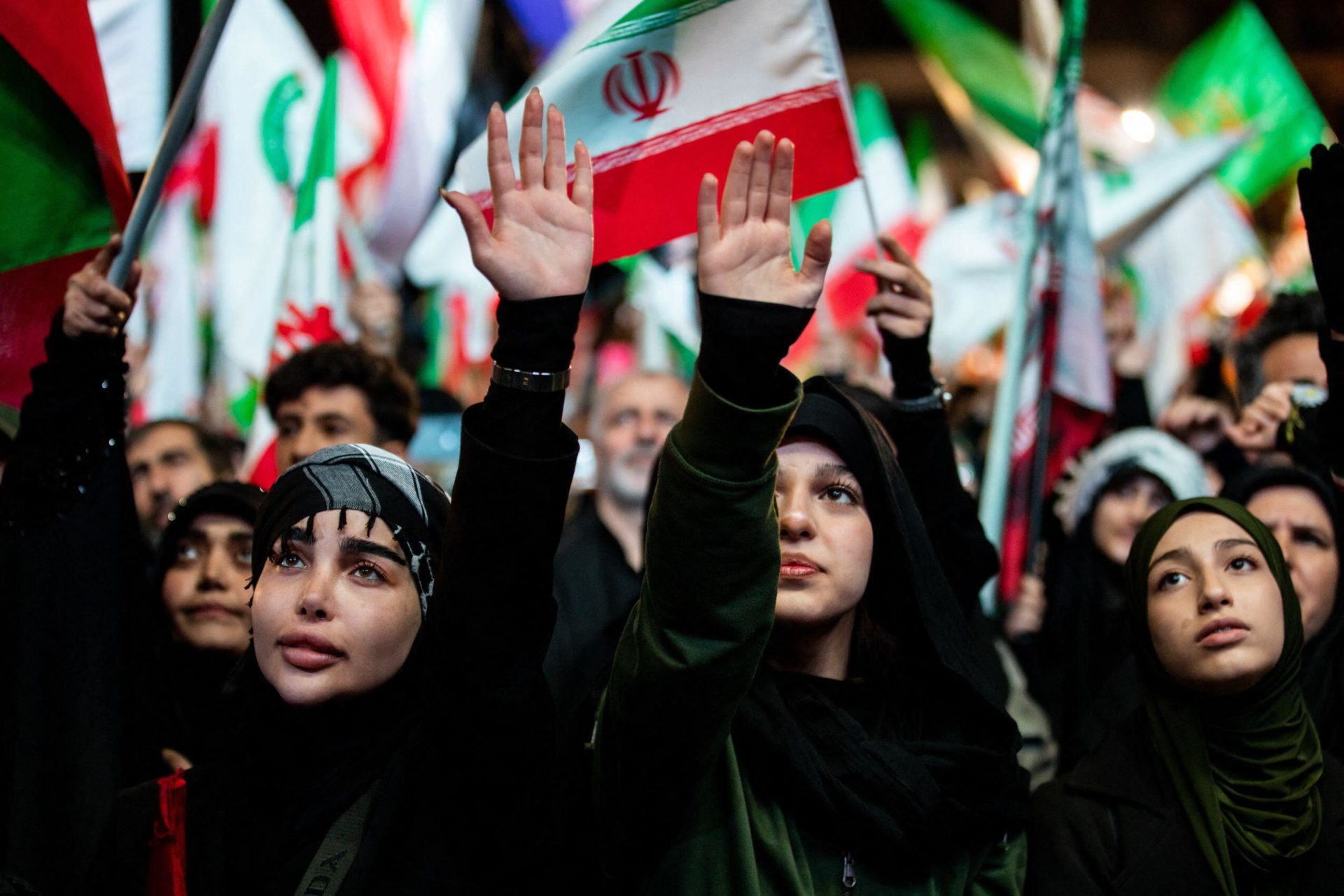 Iranian pro-government supporters take part in a rally. Picture by: Iranian Supreme Leader'S Office via ZUMA Press)
 In Ireland, the main consequence of the conflict has been surging energy prices as a result of the chaos in the Strait of Hormuz.
The ceasefire has already caused the price of oil to fall, offering hope that energy bills will also creep down in the weeks ahead.
“The Strait of Hormuz was open, everything was peaceful over there,” Mr Al Habib said.
“But this war, by United States and Israeli regime, made this catastrophic situation in the region.
“What I can assure you is that Iran will play a very peaceful role in regard with this Strait of Hormuz - but the details of the matter is something to be decided in future.”
Prior to the US and Israeli attack on Iran, the nation had been gripped by anti-regime protests.
The rising cost of living meant many millions of Iranians had been plunged into poverty.
Tehran responded quickly and brutally, killing an estimated 3,000 protestors.
However, Mr Al Habib insisted such discontent is similar to that in other countries and blamed the discontent on US sanctions. He also falsely claimed Iranian elections are free and fair.
“Like any other country, even in United States, you see that many, many are against this Government,” he said.
“In our region, at least in Iran, we have a democratic system. We have the election system.
“But if you look at the countries in the Persian Gulf, none of them have election.”
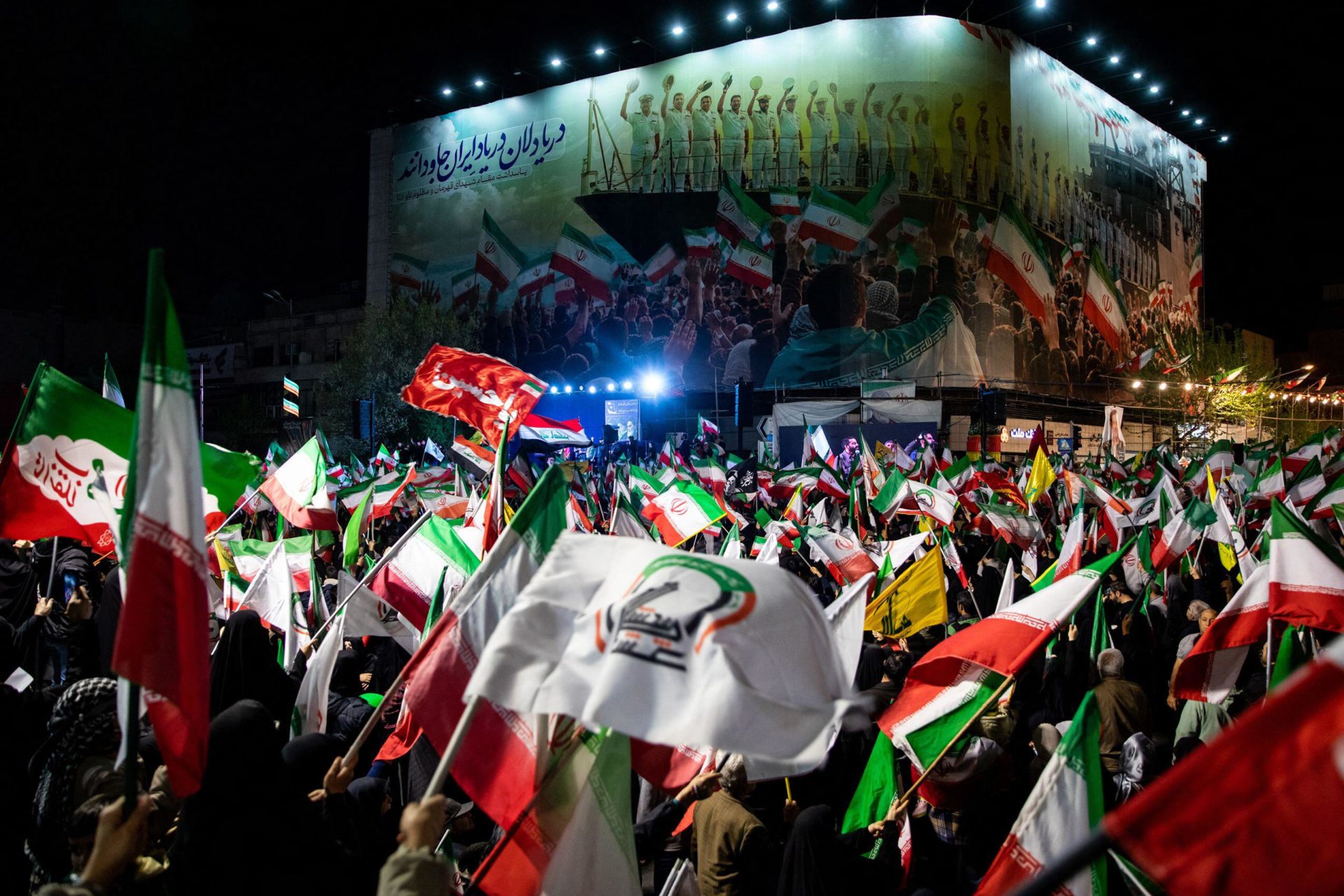 Iranian pro-government supporters take part in a rally. Picture by: Iranian Supreme Leader'S Office via ZUMA Press)
Tehran is an enthusiastic advocate of capital punishment and while some of the protestors were gunned down by the military, others were executed by hanging.
The death penalty is, Mr Al Habib insisted, not a punishment meted out to most protestors.
“I assure you it is not the case, unless, you know, unless those that was armed and attacked the military, bases and the security bases,” he claimed.
“Like other countries, if somebody in Ireland, in UK, if somebody attack a police, what will happen?”
Ireland formally abolished the death penalty in 1990, having not executed anyone since 1954.
Main image: Pro-regime protestors in Iran. Picture by: Alamy.com.


