




An economist has argued that any reduction in inheritance tax or change to the thresholds would overwhelmingly benefit the wealthy.
Currently, Capital Acquisitions Tax is charged at 33% on any inheritance a person receives from their parents larger than €400,000.
People are eligible to pay CAT on any inheritance they receive from a grandparent, aunt, uncle, brother or sister worth more than €40,000.
If a person receives an inheritance from someone they are not related to, they pay CAT on any sum larger than €20,000.
The thresholds for CAT were raised in Budget 2026 and both Government parties have indictaed an interest in raising them further next year as well.
Who pays?
As property values continue to rise, more and more people will pay CAT when they inherit the family home they grew up in.
However, Assistant Professor in Economics at Trinity Barra Roantree noted that despite an increase in house prices over recent years, “very few people” actually pay inheritance tax.
“Very few of those houses [in the most expensive parts of Dublin] are actually left to a single child because there's very few single kids for that generation,” he said.
“It's going to become a more important thing in maybe 30-40 years down the line, but at the moment that's not really that substantive.”
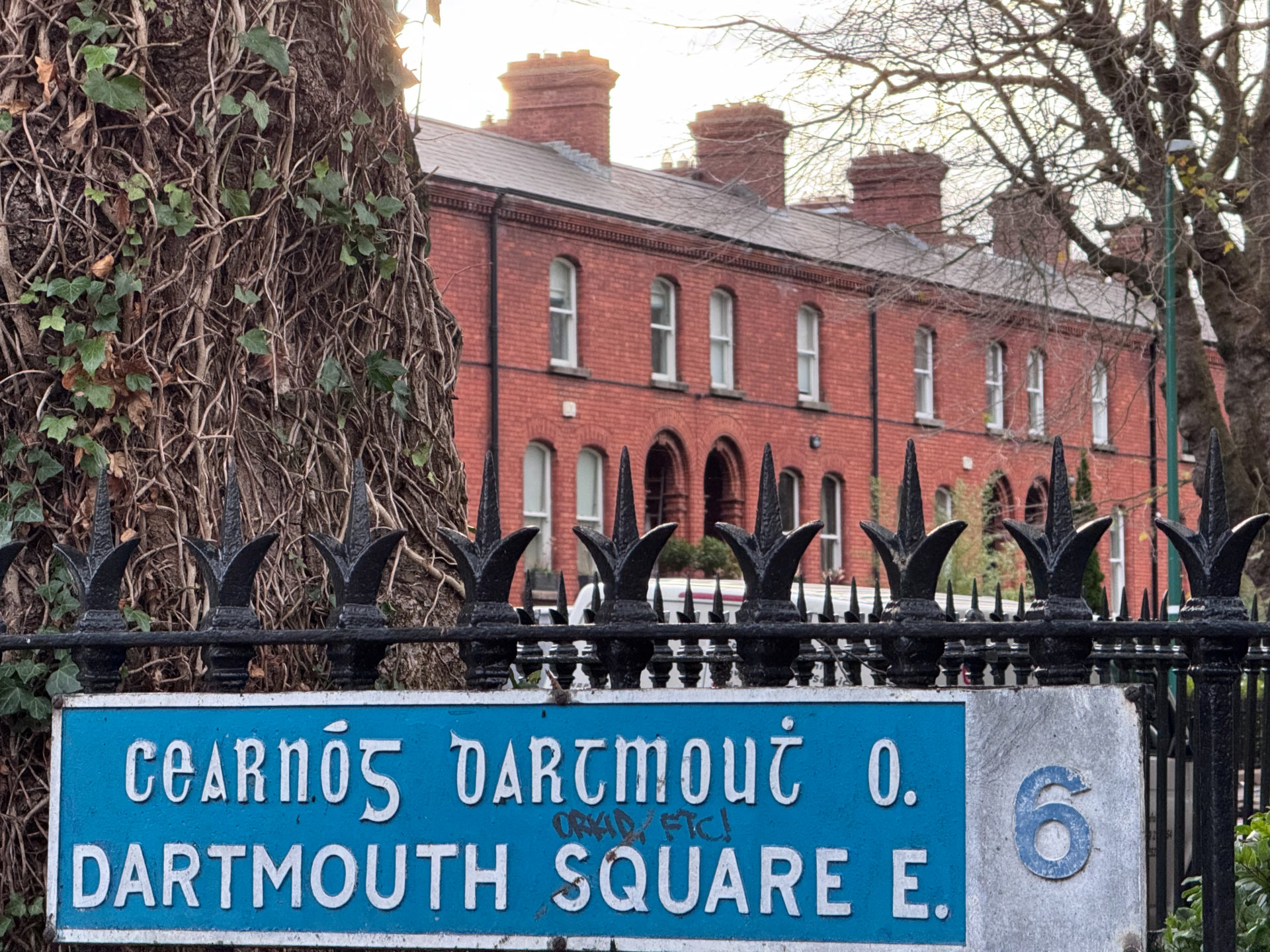 Homes in Ranelagh. Picture by: Sasko Lazarov RollingNews.ie.
Professor Roantree continued that while many people will inherit money from their families, the majority will not be eligible for CAT.
“CSO data show that of those who are kind of old enough to have received inheritance, the person in the middle has received €100,000 over their lifetime,” he said,
“Whereas the threshold for if you're receiving a gift or inheritance from your parents over your lifetime is €400,000.
“So, there really are very few people who pay inheritance tax.
“Estimates I've done suggest it's much less than 10% of the entire population will ever pay what we call inheritance tax over their lifetime.”
Professor Roantree added that inheritance tax comes back to “basic ideas of what we think is fair and not”.
“Why should it be that someone who's receiving a large amount of money, why should you pay no tax on that?” he asked.
“Whereas if you go out and you work, you would have to pay tax at a higher rate on that, a much higher effective rate on that.”
Main image: An elderly pensioner holding leather wallet with money in it. Picture by: Alamy.com.


