




A former prosecutor has written to the Department of Justice, highlighting that new DNA evidence could potentially clear Ian Bailey of murder.
The former journalist was long suspected of killing French producer Sophie Toscan du Plantier, who died in violent circumstances at her holiday home in West Cork in 1996.
Despite a sustained investigation into Ms Toscan du Plantier’s death lasting many years, Gardaí never charged anyone in connection to her murder.
 A still of Sophie Toscan du Plantier from the Netflix documentary 'Sophie: A Murder in West Cork'. Picture by: Netflix
Bailey maintained his innocence until the day he died, however, suspicion lingered and in 2019 a French court convicted him in absentia of murder.
Ireland declined to extradite him and he never served a day in prison, dying in January 2024.
Following his death, then Tánaiste Micheál Martin described him as a "violent man" and said the evidence against him was "broad and deep".
A Garda review into the case is underway and is understood to have revealed that DNA traces of an unknown male were found at the murder scene.
The revelation has led former DPP official Robert Sheehan to write to the Department of Justice, warning that the State has an obligation to thoroughly investigate the matter, given Bailey’s conviction in a French court.
“Of course, [Bailey] never went to France,” Irish Independent journalist Ralph Riegel explained on Newstalk Breakfast.
“Ireland wouldn't extradite him.
“But that prosecution required Ireland to give the French access to the full Garda case file.
“Not only that, but the French got access to all of the material evidence in the case and they were also allowed to interview all of the witnesses that were part of the original Garda investigation.”
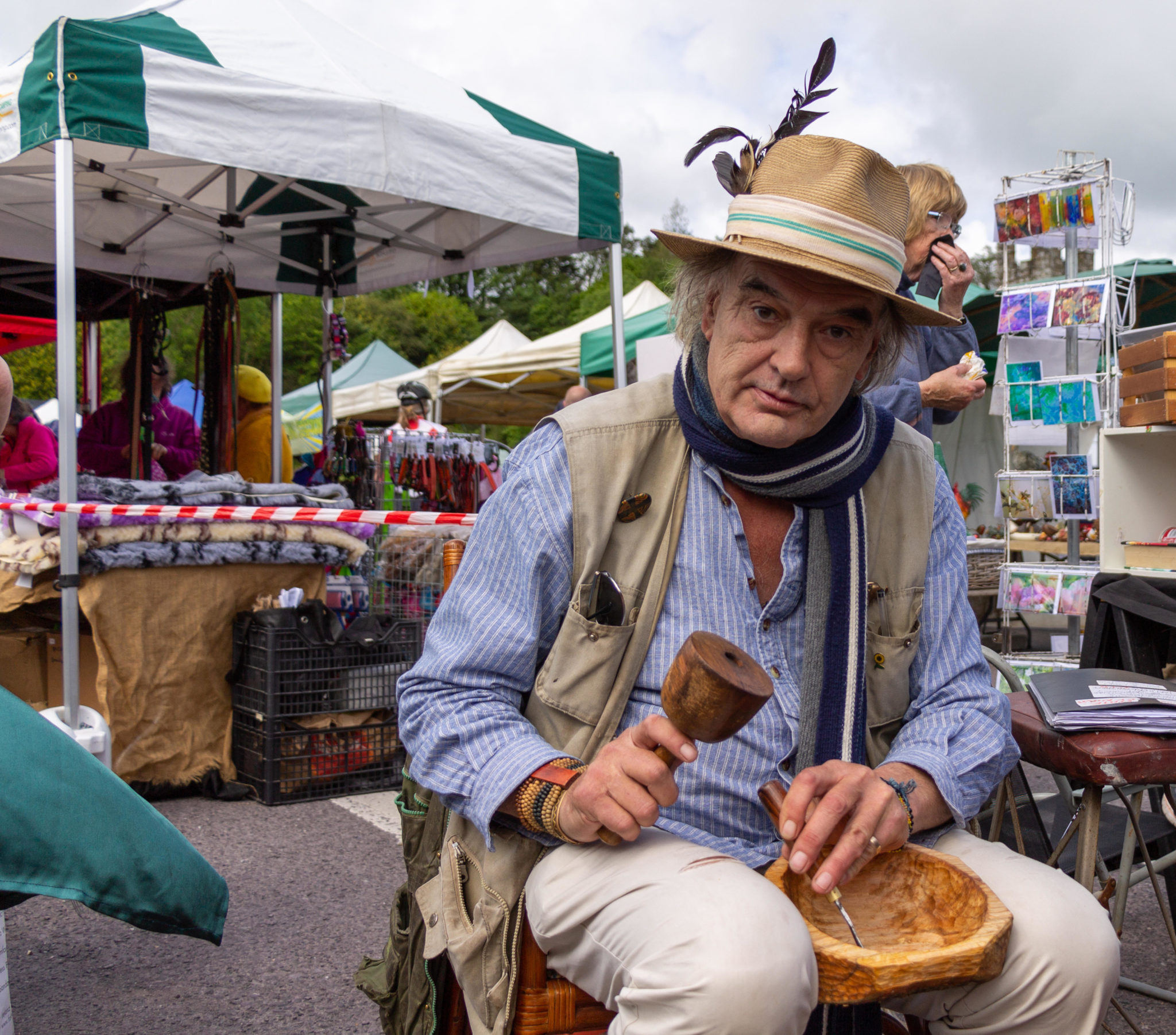 Ian Bailey in Skibbereen, Cork. Picture by: aphperspective / Alamy Stock Photo
Mr Sheehan was a senior official in the office of the Director of Public Prosecutions at the turn of the millennium.
It was at this point that it was decided that Bailey would not be charged with Ms Toscan du Plantier’s murder.
“He said that given Ireland's stance over the years, if these media reports are true and if there is this alien DNA, which ultimately has significance in the investigation in showing that Ian Bailey may not have been the killer, then there's an onus on Ireland to raise this with the French - on the basis of a perceived miscarriage of justice,” Mr Riegel added.
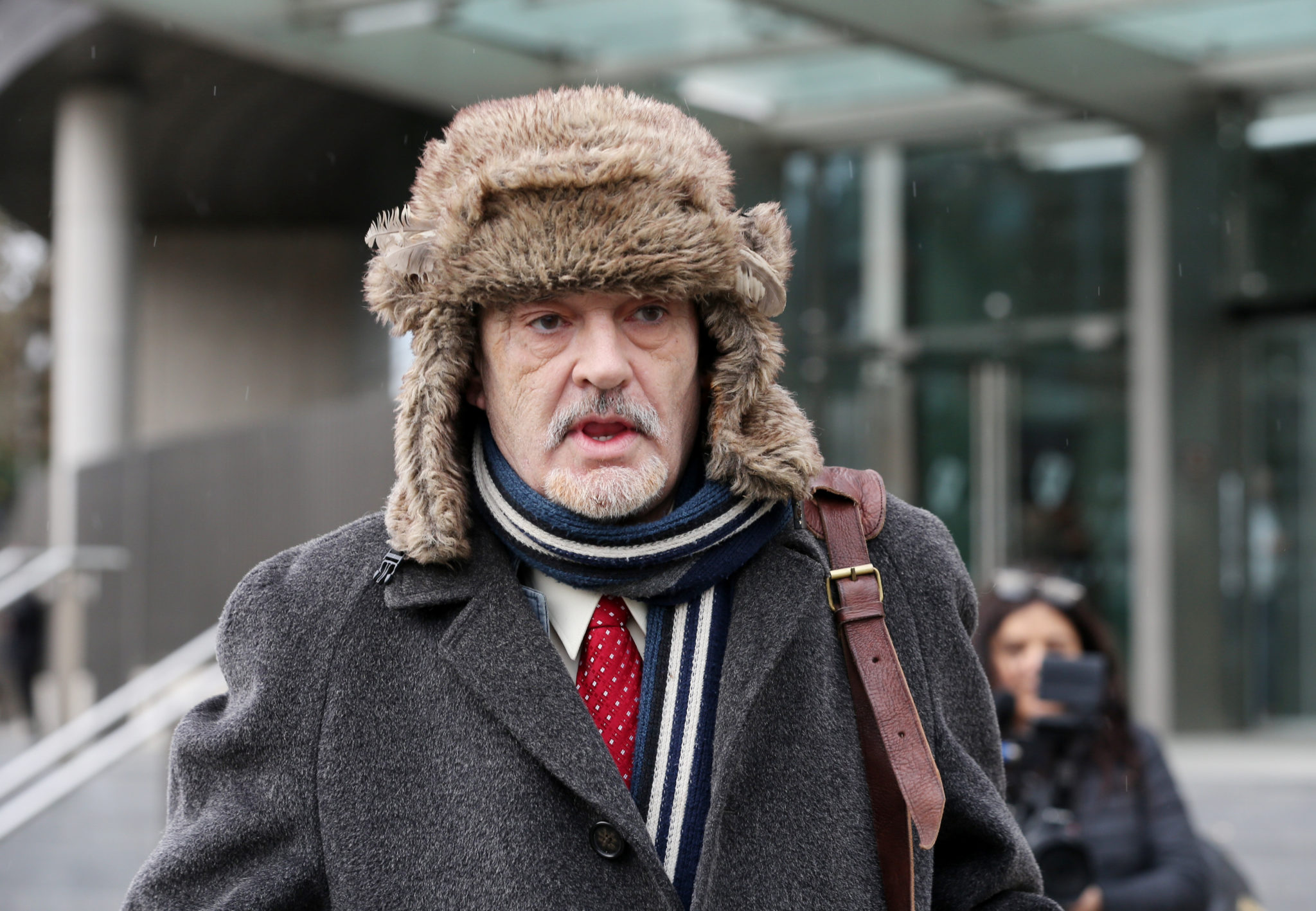 Ian Bailey. Picture by: RollingNews.
In May 2026, Gardaí activated a European wide data exchange to cross reference the DNA on an unknown male found on Ms Toscan du Plantier’s boot of the victim.
Bailey provided DNA samples in the aftermath of the 39-year-old’s death and if the DNA is not his, it could provide crucial evidence in resolving who killed the young mother.
“I think it's interesting to say that, first of all, the Garda Cold Case team haven't commented at all on any of this material,” Mr Riegel said.
“We do know that they employed a very high-tech DNA recovery system called MVAC.
“It's an American-based system and that was used to analyse some of the material from the scene in the hopes of getting some kind of a DNA profile.
“We understand it found something, but the Guards have not confirmed precisely what that is.”
Main image: Ian Bailey. Picture by: PA Archive/PA Images.


