



Up to 45% of dementia cases are preventable through addressing modifiable risk factors according to new research from Trinity College.
The study’s principal investigator Rose Anne Kenny said that there some of the modifiable risks are obvious, but others are more surprising.
“There are 14 risk factors which we identified, which in almost half of those with the risk factors hadn’t been addressed,” she told Newstalk Breakfast.
“The things that you can do something about that might not be so obvious are hearing loss; that’s one of the most potent modifiable risk factors for dementia.
“We found that of people who had hearing loss, less than one-in-five were wearing hearing aids all of the time, the rest were wearing [them] only occasionally, or didn’t have hearing aids at all.
“So, sorting out hearing is a major risk factor that can be modified.”
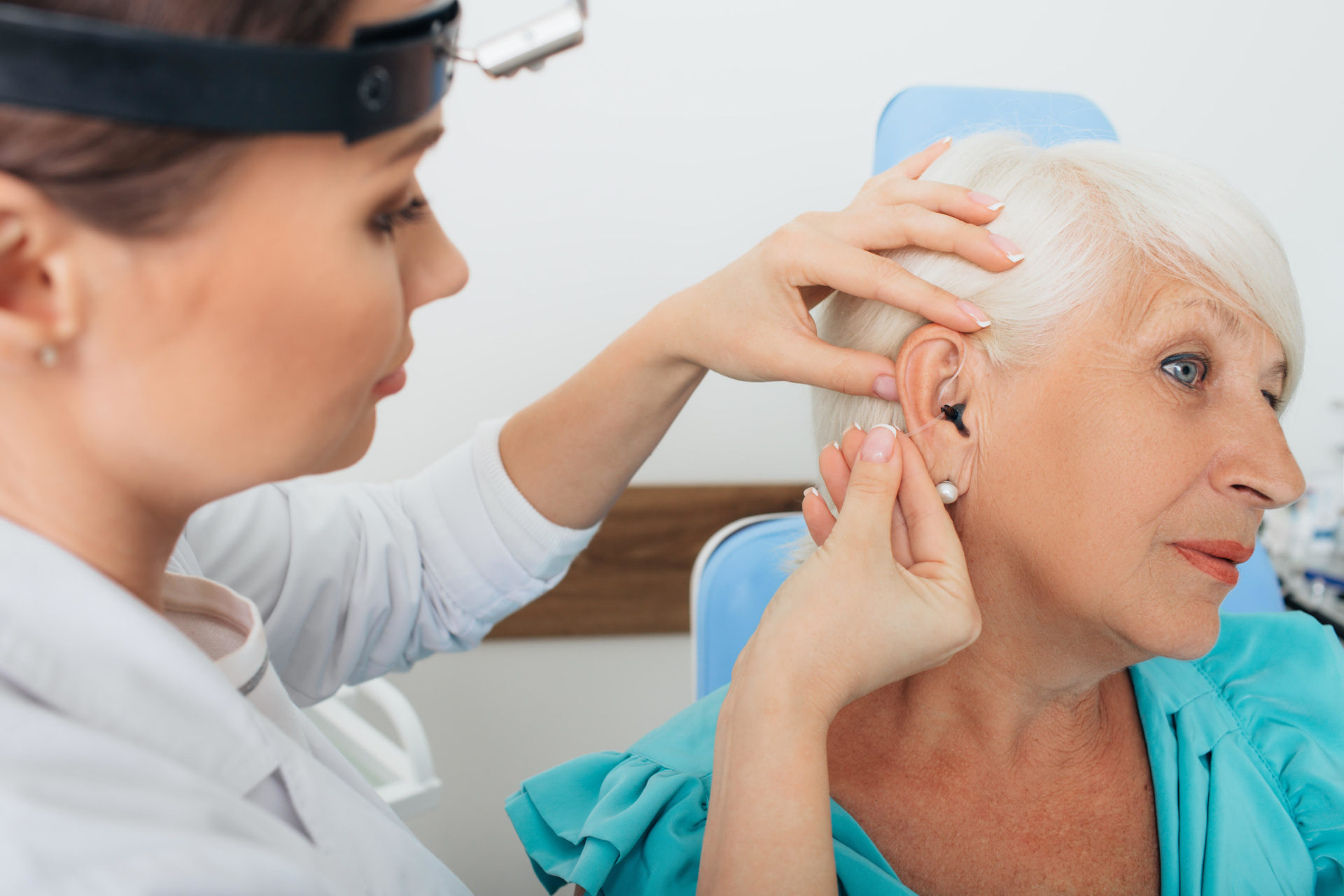 Doctor helping elderly woman inserting hearing aid. Image: Daria Artemenko / Alamy.
Ms Kenny said another risk factor was vision loss.
While she said the majority of people who needed glasses were found to be wearing them, other issues such as cataracts or glaucoma “had not been tended to”.
“They’re also well-established risk factors that you can do something about,” she said.
Managing risks
However, Ms Kenny acknowledged that loneliness and social isolation were one of the biggest risk factors, as it was also linked to issues like hearing and vision loss.
“We don’t know exactly why; it’s probably related to sensory stimulation,” she said.
“Other [risk factors] are diabetes, for example.
“Although the diagnosis of diabetes was pretty good... of those with diabetes, 45% were not at the target levels of blood glucose.
“So, that’s something that must be more closely monitored.”
According to Ms Kenny, inadequately managed depression, high blood pressure and high cholesterol were all also found to put individuals at further risk of developing dementia.
She stressed that if people manage any of these risk factors which may predispose them to dementia, they can cut their risk of suffering from the disease in half.
Main image: Dementia care.


