




New legislation that would significantly expand Garda powers to access and search people’s digital devices could have a “chilling effect" on Irish society, the Irish Council for Civil Liberties (ICCL) has warned.
Justice Minister Jim O’Callaghan confirmed yesterday that the Government has approved the Communications (Interception and Lawful Access) Bill, paving the way for enhanced Garda access to digital communications if the legislation is passed by the Oireachtas.
The proposed law ostensibly modernises Ireland’s interception framework and substantially increases the ability of Gardaí to search messages and data stored on phones, computers, and other digital devices.
Minister O’Callaghan said a change to the law was “overdue” on the grounds there has been “significant changes in the digital communications landscape in the last two decades that existing legislation does not comprehend.”
Communications (Interception and Lawful Access) Bill
On Newstalk Breakfast, Irish Council for Civil Liberties spokesperson Olga Cronin said the organisation recognises the current legislation is “outdated”, but added they were “pretty concerned” about the Government’s proposal.
“Yesterday's announcement concerns tools more associated with repressive regimes, maybe ICE in the US,” she said.
“And what we're saying is that they pose many risks for broader Irish society and will undoubtedly have a chilling effect on Irish society.
“What we're talking about here is spyware, ISMI catchers, breaking or weakening encryption and allowing the Guards to be able to tap into our internet.”
Ms Cronin added that they were particularly concerned about the use of spyware, which she described as “one of the most intrusive surveillance technologies of our time”.
“It's essentially malware and its main purpose is to extract information and personal data from a targeted device,” she said.
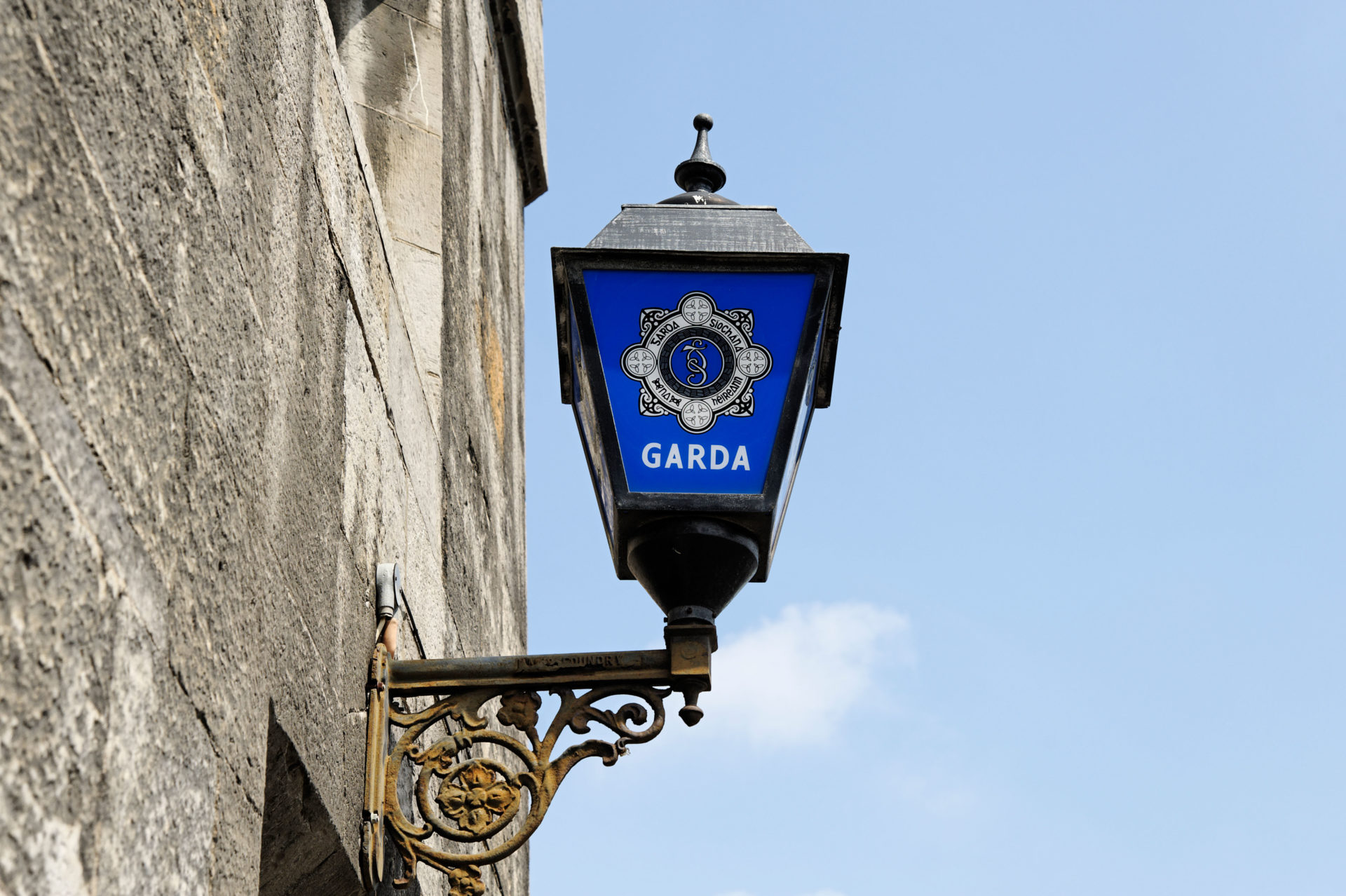 A Garda Station. Picture by: Alamy.com.
Garda surveillance
She continued that while it may initially be used in a limited number of circumstances, its use could well be expanded.
“Usually they end up being used in a much broader fashion because the pressure on the institution to use them in a more broader sense becomes too much,” she predicted.
Ms Cronin said while Ireland is currently a free and democratic society, she would not want such powers to be used by a Government.
“We're not a repressive regime today,” she said.
“But what we're doing is [that] we're setting up a surveillance architecture that could be used under different rules.”
Main image: A split of Gardaí and a woman on WhatsApp. Pictures by: Alamy.com.


