




Customers at rural petrol stations are unlikely to see fuel prices drop for several days, an expert in energy has warned.
Yesterday, Dáil Éireann approved a cut in excise duty on petrol by 15 cents and a 20 cents reduction on diesel until the end of May.
Taoiseach Micheál Martin described the cuts as “short-term” and that they were “targeted in terms of the immediate pressures on the public.”
The reductions in excise duty began at midnight; however, UCD Professor Lisa Ryan warned many drivers would not see that reflected in the petrol prices they see at the pump.
“[Excise duty is] levied on suppliers as imports come into the country,” she explained on Newstalk Breakfast.
“All petrol and diesel in Ireland is imported; it’ll be levied at the point of import or the first place it goes - which is a warehouse normally.
“So, a petrol station, they’ve already paid the excise duty on their stock that’s stored underground somewhere.
“If that stock was there since yesterday, they have to get that excise duty back off the customer.”
Today, Government agreed a package of up to €250m to ease the pressure of rising energy costs on households and businesses.
Our targeted measures include:
⛽️ 22c off diesel & 17c off petrol from midnight
🏠 Fuel Allowance extended by 4 weeks
🚛 Increased rebate for hauliers pic.twitter.com/Jtrdx5eE5V— Micheál Martin (@MichealMartinTD) March 24, 2026
Professor Ryan continued that fuel prices are likely to come down quicker at urban petrol stations with a high number of customers.
“Urban stations, which have a very high turnover, they might get a delivery every day,” she added.
“In other words, you will start to see the difference in the excise duty prices coming down right away because they will have new stocks.
“Whereas if you look at some of the rural stations that maybe don't have as large a turnover, that might take two to 10 days, apparently.”
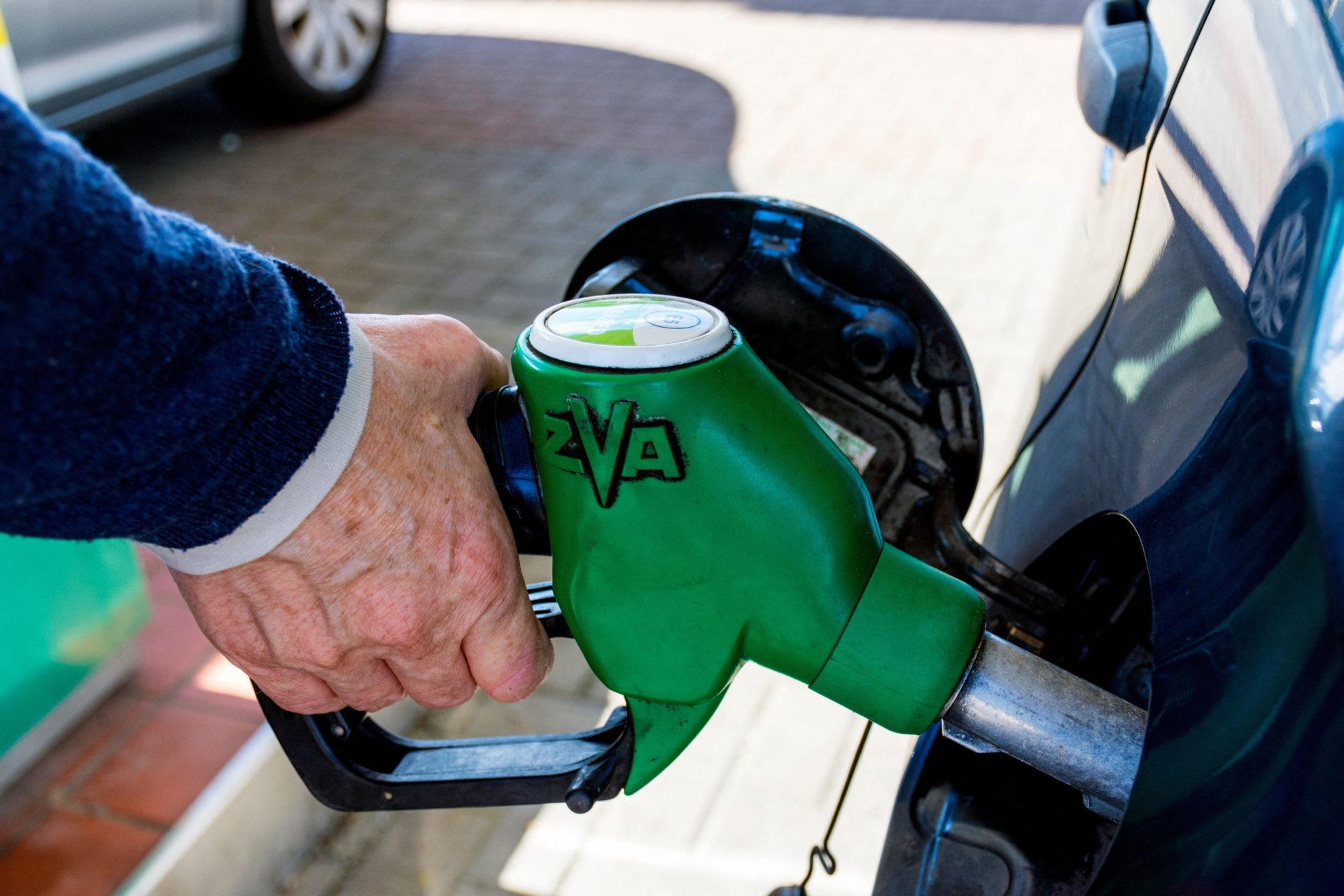 A man filling up a car with petrol. Picture by: Alamy.com.
With that in mind, Professor Ryan said it is “not surprising at all” that motorists filling up have found prices have yet to fall.
“Some companies will take the hit and levy it on fuels at a lower rate, although they paid, you know, a higher rate themselves when they imported it,” she said.
“But some companies won't be doing that and they'll just be levying the new rate whenever they have a new supply coming in.”
Main image: A man filling up a car. Picture by: Alamy.com.


