




Senior Ministers will meet today to sign off on a package of measures to help people with surging fuel prices and energy costs.
Since US and Israeli strikes on Iran began, the cost of fossil fuels has risen to reflect the impact of decreased supply from Middle Eastern producers.
The price of home heating oil has nearly doubled from €500 for 500 litres to €900.
While drivers have seen diesel prices increase from €1.80 per litre to as much as €2.30. Petrol prices have also jumped to over €2 at some stations as well.
Last week, Tánaiste Simon Harris promised the Government would “take action to try and help key parts of the Irish economy”.
On Newstalk Breakfast, political correspondent Seán Defoe said a cut in excise duty is now widely expected.
“The amount is still to be decided, but opposition parties have talked about maybe 25 cents,” Seán explained.
“Something in that region to try and bring what people are paying, if not below the €2 mark once again, certainly in around that €2 mark.”
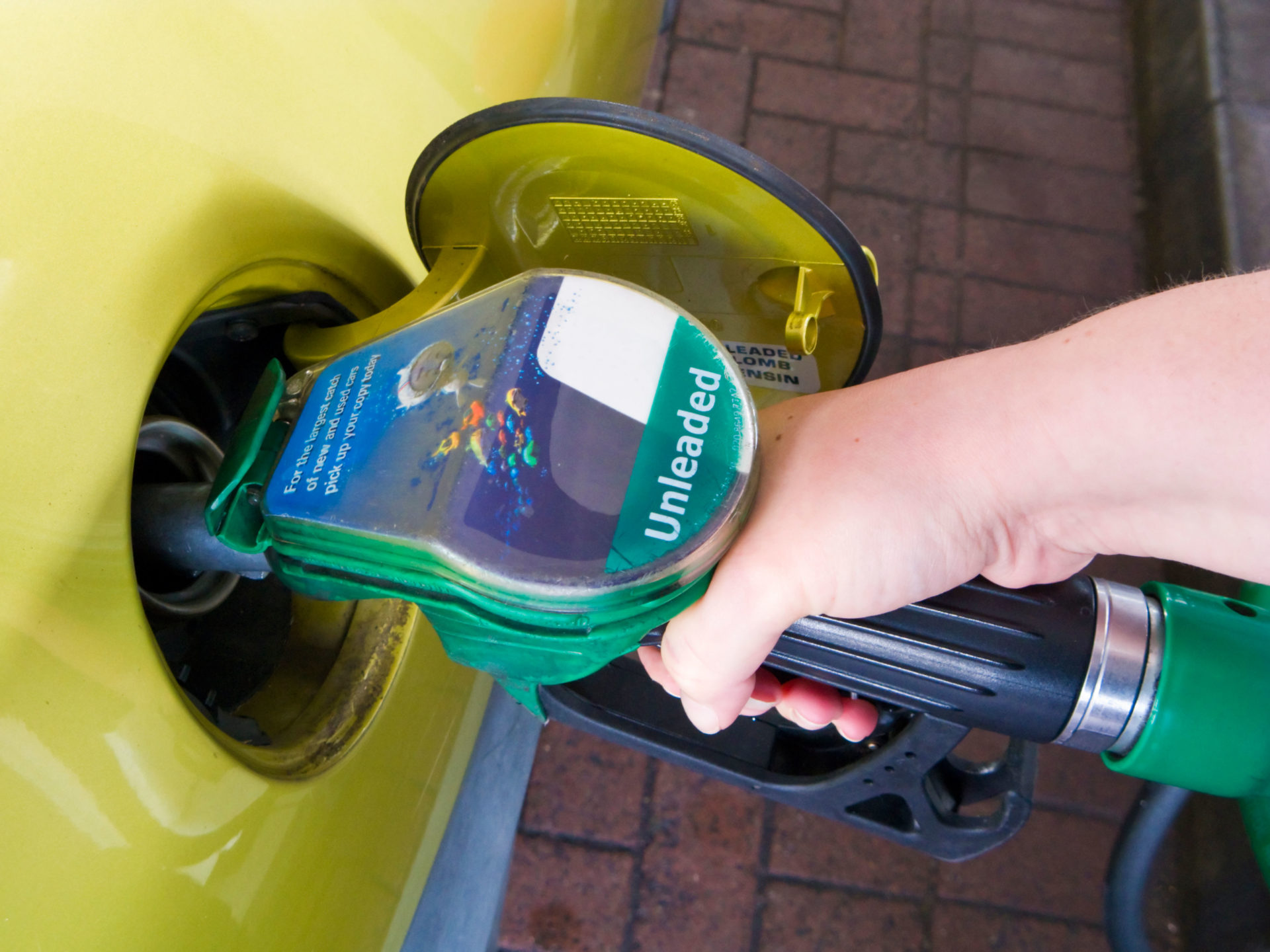 A car filling up as fuel prices surge. Picture by: Alamy.com.
 Typically, fuel allowance season runs from the end of September and ends in late April.
However, Ministers are now expected to announce an extension.
“This is where you've seen Ministers over the last few days saying they're going to help out the most vulnerable,” Seán added.
“That's likely to come through a double payment and to extending the season; that fuel allowance season of €38 a week is due to end in April.
“But it's very likely that's going to be extended out for at least a few more weeks as this conflict in the Middle East continues and there's greater uncertainty over prices.”
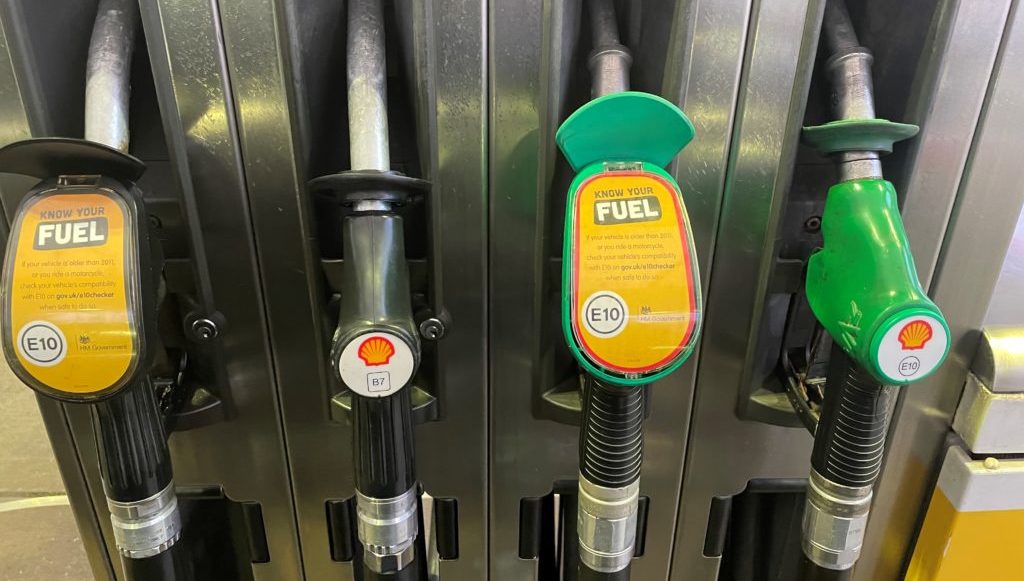 A picture of fuel pumps as fuel prices rise. Picture by: PA Wire/PA Images.
When the crisis began, Irish hauliers threatened “disruptive protests” unless the Government addressed their concerns.
The industry has seen their costs surge and feared their profit margins would be wiped out.
Following intensive lobbying, the Government is expected to announce a rebate scheme for the industry.
“That is likely to take the form of a rebate scheme or else an expansion or more generous version of the existing diesel rebate scheme,” he said.
“So, there you're kind of three bits that are more immediately on the table.”
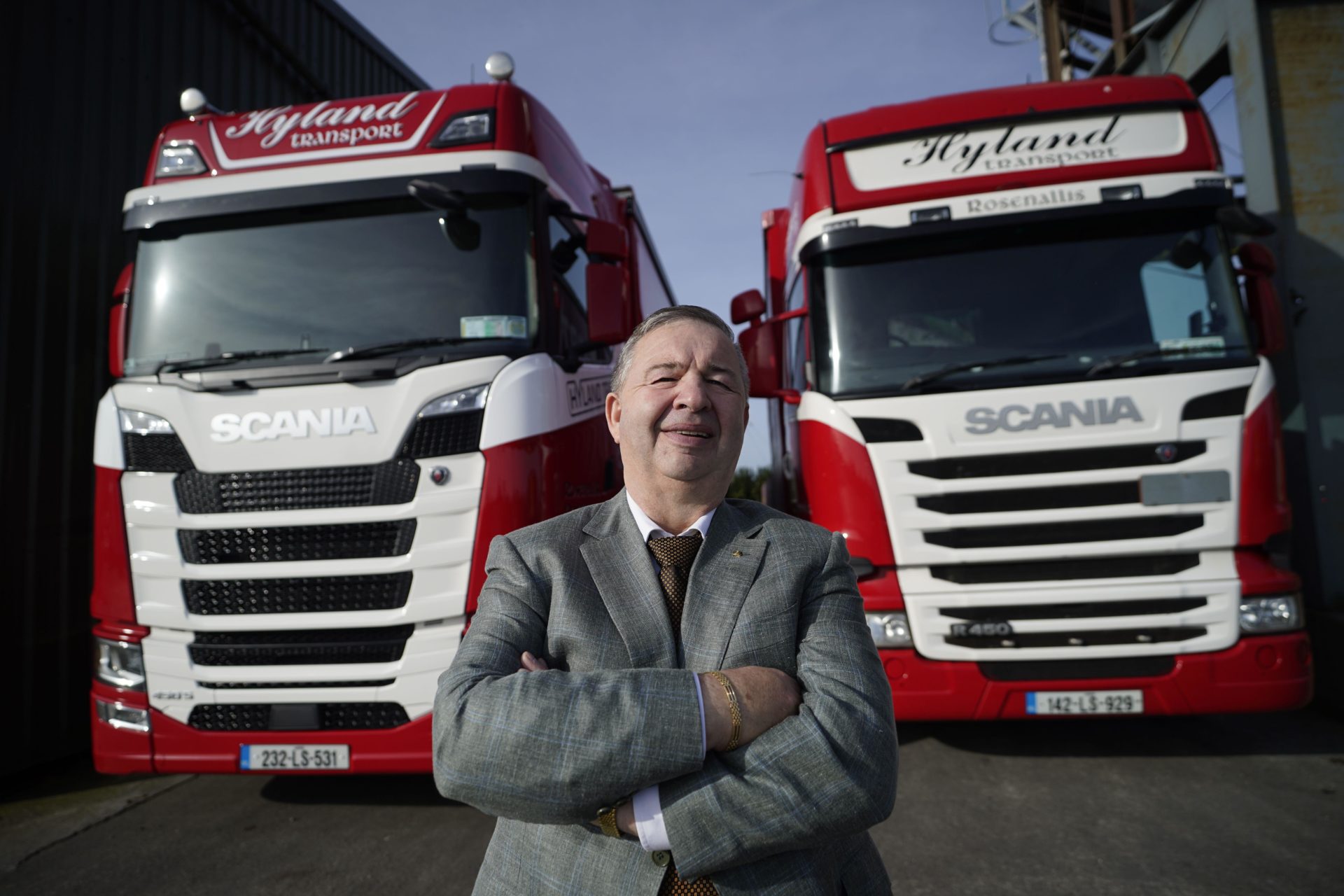 Haulier Ger Hyland at his family-run business Hyland Transport in Co Laois. Picture by: Alamy.com.
 Whatever the details of the response, the Government fears a second package of measures will be needed later this year.
While President Trump has said he is “winding down” the war in Iran, some defence experts have warned the conflict could drag on for far longer than expected.
Over the weekend, Iran threatened to “completely close” the Strait of Hormuz until it had rebuilt its power plants. Typically, one fifth of the world’s global oil and liquefied natural gas pass through the Strait.
While Ireland gets much of its oil and gas from the North Sea, any impact on supply in the Middle East increases fossil fuel prices worldwide.
“Having just spent the last couple of budgets trying to get away from the likes of one off energy credits,” Seán said.
“So, when Simon Harris is talking about keeping the powder dry, that is part of what he's looking at.”


