




Demand for care within families is set to increase by 49%, new research by the ESRI has forecast.
Advances in medicine means that people are increasingly living longer lives. However, an increase in elderly people will also necessitate a commensurate increase in costly care.
On Newstalk Breakfast, ESRI spokesperson Dr Sheelah Connolly said an ageing population will mean huge changes in society and the economy.
“We're seeing significant increases into the future for the 65 to 84 age group - but in particular for that 85 plus group,” she said.
“They're generally the group that use the most health and social care services and the most kind of family care.
“So ,what we're seeing is that that is going to be resulting in a significant increase [in demand for family care], somewhere in the region of 49 to 58%.
“So, we will need a significant amount or an increase in the amount of people providing family care.”
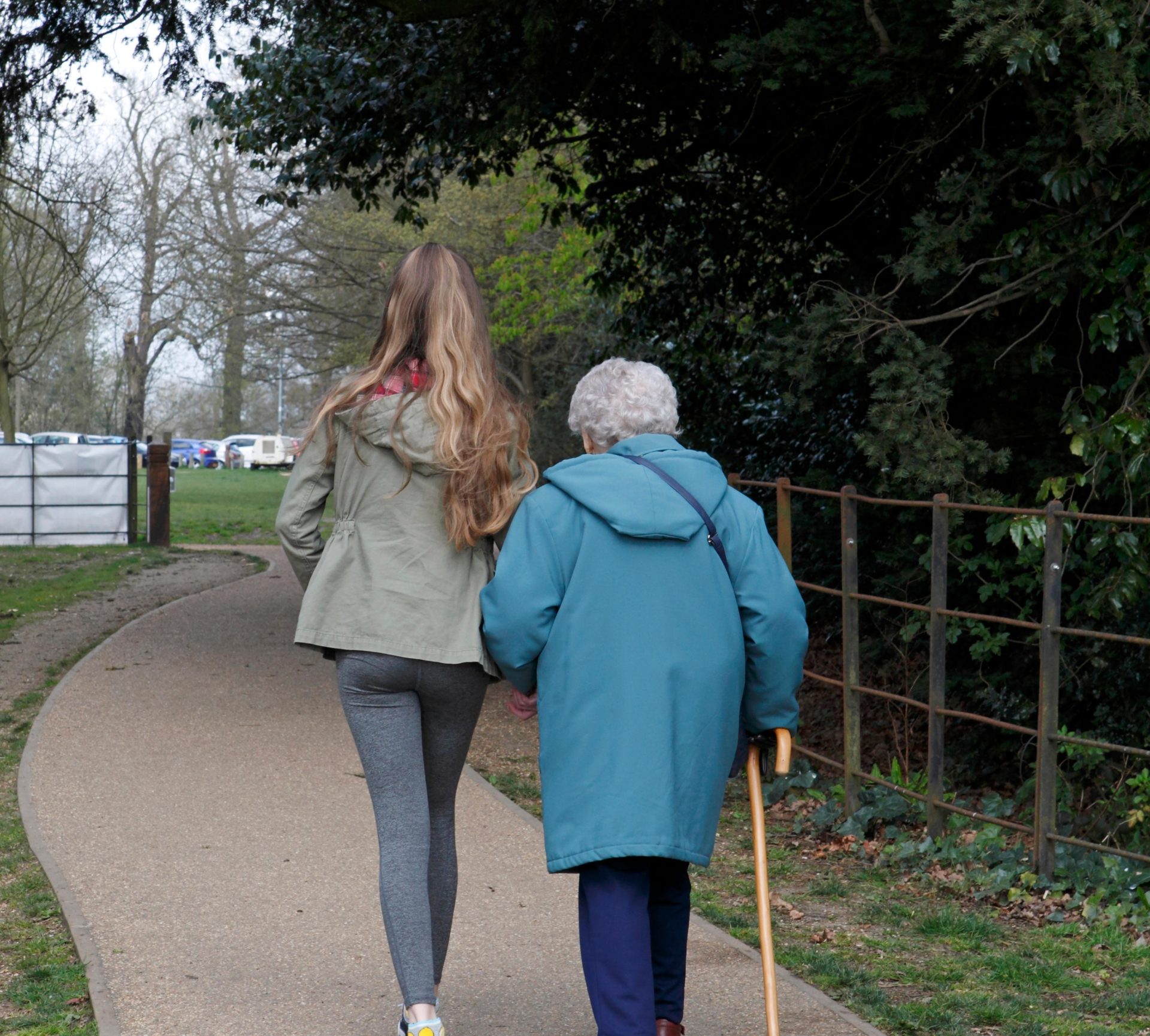 A grandmother and granddaughter walking in a park. Picture by: chrisstockphoto / Alamy.
 However, despite the increase in demand for family carers, there are likely to be fewer of them amid plunging birthrates.
Modern lifestyle factors also influence there is likely to be less care available within families.
“In the past, they might have lived in close proximity to where they grew up and to where their ageing parents are,” Dr Connolly explained.
“But now people are, I suppose, increasingly living in more urban areas and oftentimes in other countries.
“So, they're just not available or may not be available to provide that care that they would have done in the past.”
Inevitably, much of this extra care will be met within families, which Dr Connolly said would present a “real challenge”.
Main image: An elderly woman. Picture by: Alamy.com.


