




A person’s adult brain is not fully in place until they have reached the age of 32, Luke O’Neill has said.
The brain is constantly evolving and scientists have concluded there are a number of decisive turning points at the age of nine, 32, 66 and 83.
On The Pat Kenny Show, the Trinity Professor explained that the brain is keeping itself relevant, adapting to the circumstances it needs to help us navigate each unique stage of our life.
“When you're born, you have loads of too many synapses, too much connectivity, and it gets pruned down,” he said.
“They've noticed that for a good few years now; so basically, you lose the bit you don't use as an infant.
“Then at nine, you stabilise into this childhood brain - and that's the first turning point and that's stable for a while.
“And then the next big one is when you're 32.”
 A 3D illustration of a brain. Picture by: Skorzewiak / Alamy.
Professor O’Neill continued that he had been surprised to learn that the next big turning point came at 32 - well after most people in society think they have reached maturity.
“Your adult brain is fully in place, is the way to think of it,” he said.
“And then very stable; there's a plateau and that lasts till you're 66, and then you get the next change.
“But it's amazing.”
Professor O’Neill added that this means that, in theory, a person’s decision making process
“They've noticed that at particular 32 and then on from then on, basically, the white matter is all connected,” he said.
“Now, your brain is fully wired to be an adult and then secondly, your communication skills, interestingly, improve, they reckon, by all this rewiring that's happened.
“So, there's no doubt now that they're saying that 32 is the actual age of adult onset.”
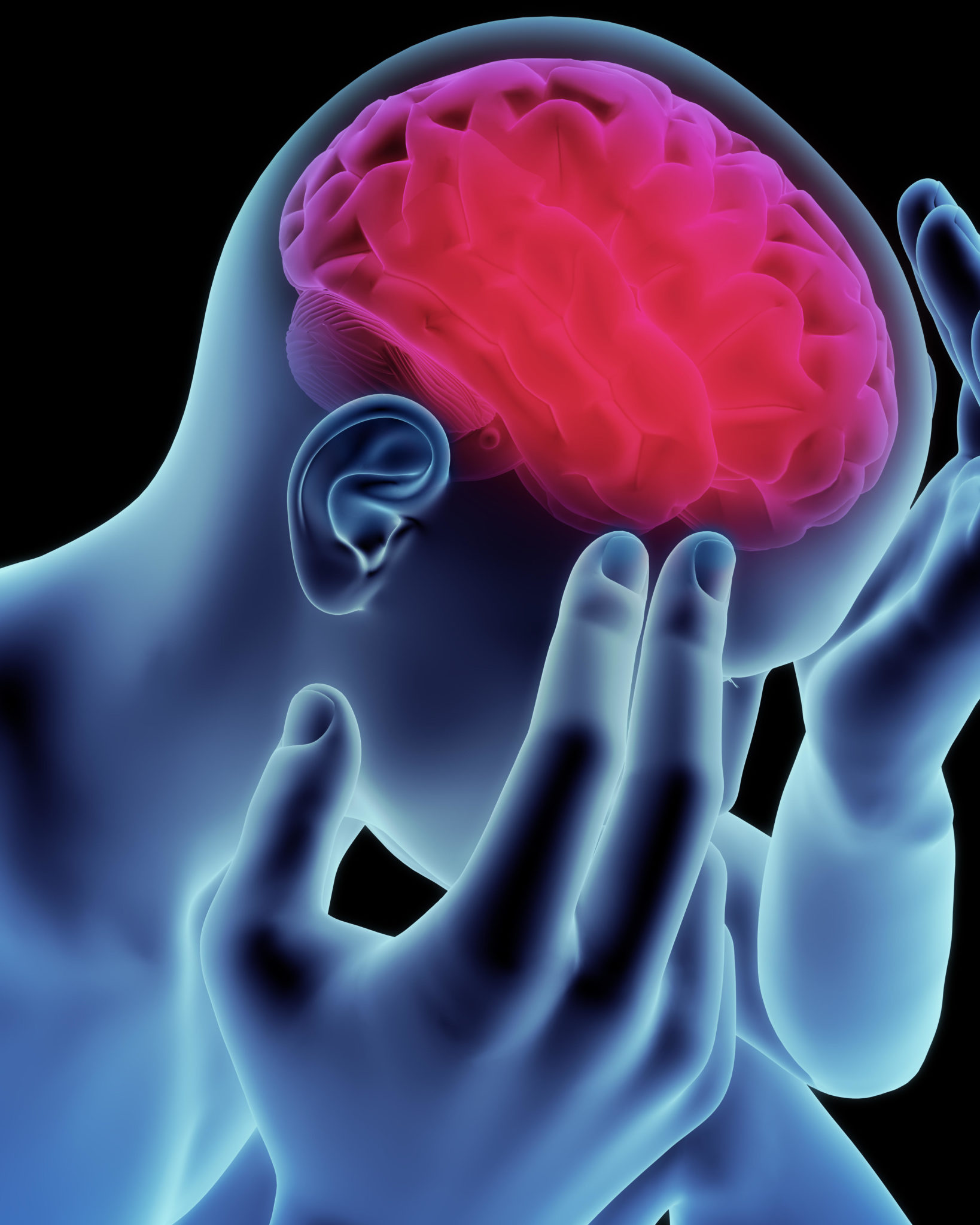 A cartoon concept of the brain. Picture by: Alamy.com.
Professor O’Neill noted that while people are usually “pretty adult” in their 20s, 32 is now considered to be the “real marker” of adulthood.
The brain then remains stable for over 30 years when the aging process kicks in and a person’s cognitive powers begin to slowly decline.
At 83 years, the aging process accelerates.
Main image: Luke O’Neill in the Newstalk studio. Image: Newstalk


