



Around 375,000 PAYE workers overpaid tax last year with the average amount owed back to them being €600 quid, though some may be owed north of €900.
But how do you go about getting this tax refund?
Aisling Ní Mhaoileoin, Revenue's national PAYE manager, joined Newstalk Breakfast to explain how people can check if they are entitled to a refund and how to go about it.
She shared: "Well, the first thing I'd say is, if you're not already registered for MyAccount, service, you need to do that. And then after that, it's very, very simple.
"Those figures are based on the information we have on our record. And every year, Revenue introduces a preliminary end of year statement and that will show whether based on the information we have, we think somebody has overpaid tax, underpaid tax, or they're balanced.
"So to see that, you need to log into your MyAccount. You click on review your tax for the previous four years in the PAYE services card and then you request a statement of liability.
"That will bring up your preliminary end of year statement. The figures that were referred to in the article yesterday, those people, when they log in, they should see the overpayment.
"So what they need to do then is they need to review the information, make sure everything is correct, consider if there are any additional credits or relief they may be entitled to, and then they need to go on and file an income tax return.
"Okay, now that can sound a little bit scary, but it's a very straightforward process. And you just hit submit at the end of that."
She added that if you do get a refund and follow that process, it should be in your bank account within three to five working days.
Questions about the process were coming in via text, with one person asking about people who are jointly assessed with their spouce.
Aisling explained: "So if you're jointly assessed for PAYE, either party can file the tax return. And the beauty of the PAYE system is everything is pre-populated there, so we will have both parties pay and tax and their credits there."
Another listener asked why people have to go to the effort of sending in the refund application and why it isn't an automatic system, to which Aisling replied that Revenue don't know if that person's circumstances have changed in that time.
She shared: "We need confirmation of people's position. We help people as much as we can by showing them the information we have.
"People may have started a little side hustle and they might be earning an income that we're not aware of and they need to declare that.
"People's personal situation may have changed and they have a notified revenue.
"We come across that quite often. So we're not aware of everything. We help people by saying to them, this is what we know, this is what we think, but we need them to confirm it. And as I've outlined, it's a very straightforward process."
People are advised to look into it sooner rather than later as they only have until December 31 to claim it back as far as 2022.
The system operates on the last four years of income so come January 1, 2027, any potential refunds from 2022 would be lost.
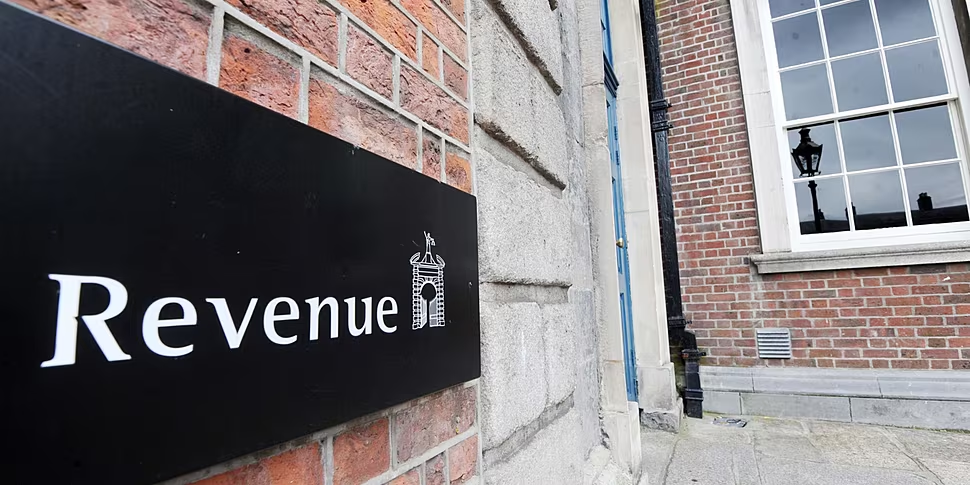
Main image: File photo of the Revenue offices in Dublin


