


There's been so much talk about the proposed changes to the Irish citizenship applications, but what does this reform actually mean?
While there are a few ways for people to apply for citizenship, either by heritage or naturalisation, it's the latter that is seeing regulation changes being proposed.
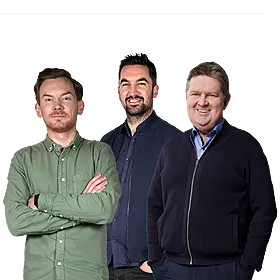
Cathal Malone, Head of Legal Research at Thomas Coughlan and Co Solicitors joined The Pat Kenny Show to explain some of the changes that are coming in and why.
He said: "Well, I think obviously there has been a movement lately within the government, and particularly since Minister O'Callaghan took office, of wanting to be seen to be tightening up in general terms in respect of migration.
"We've seen this with an increase in the number of refusals of student visas. We've seen this in a crackdown on work permits. And now we're seeing moves to increase the time and to generally make it more difficult for people to get citizenship once they've been here for a number of years.
"[As for the changes being made], the headline that everyone's talking about is, as you said, the increase from five to eight years for residency in ordinary courses.
"And there's also a, sort of, a corresponding increase, which is that currently if you're married to an Irish citizen, you can get the reduced time. It's [currently] three years you need.
"So while they're introducing an increase generally to eight years from five, they're also increasing the time that a spouse of an Irish citizen would need from three to five."
There is, of course, still the grandparents rule, which entitles someone to citizenship automatically if one or more grandparent was Irish.
The citizenship changes that are being brought in are for those going the naturalisation route, as opposed to heritage.
Another change coming in is to check an applicant's proficiency in one of our three official national languages: Irish, English and Irish Sign Language.
Mr Malone continued: "Now, I do think it'll be very interesting to know, number one, what will the design of this be?
"Who will deliver these tests? Will there be free classes available to support people and come up to whatever standard we want?
"Now, there is a European language framework where you can have an A1 or a B2 or a C3 in a language where it's sort of an internationally recognised standard for, you know, it might be basic conversation.
"Can you get by in a shop, versus, for example, could you sit on a grandparent's programme.
"It looks like it's going to be a blanket [rule], although exactly what level it's going to be set at is going to be done by regulation by the minister.
"I think there's a little bit of a sort of a red herring going on here, because the fact of the matter is whether it's the current five years or the eight years they're proposing, you're not going to have been living and working in the [Irish] State for all of that period without actually being able to communicate with anybody."
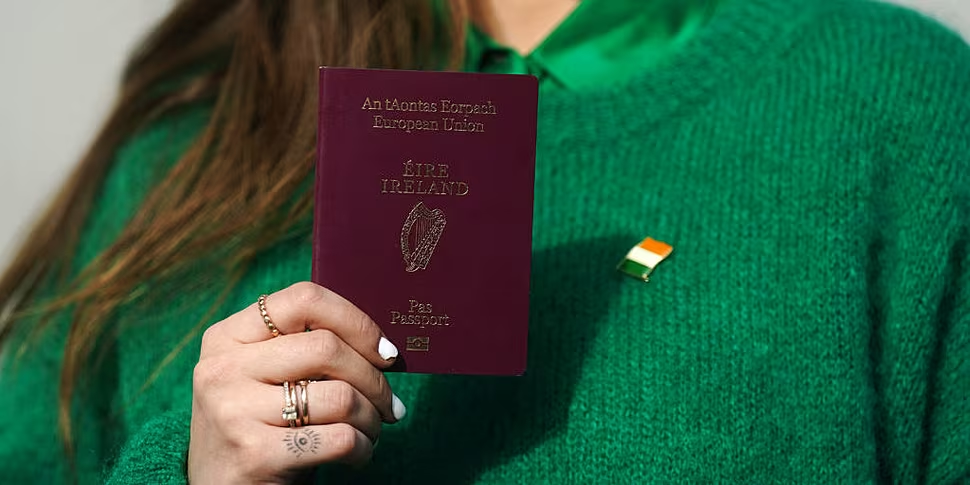
Main Image: Irish Citizenship Ceremonies, Pic: PA Wire/PA Images


