


Barry Andrews has blamed his skin diagnosis on his childhood exposure to the sun.
Speaking to Moncrieff, the Fianna Fáil MEP said his variant of skin cancer is “very much non-life threatening” but still something that requires medical care.
“It's called a basal cell carcinoma, which a physio spotted on my back about 10 years ago,” he explained.
“He advised me to go and see a doctor and a biopsy was done and it was identified as a basal cell carcinoma and it was then removed in a day procedure under local anesthetic - it hasn't kept me awake at night.
“I've had, I think, five more basal cells identified and removed on my face.
“You can probably see a little scar there on my neck and my leg and various, so it's all related to overexposure to the sun when I was much younger.”
Skin cancer is the most common form of cancer in Ireland and the number of people being diagnosed with skin cancer is rising rapidly. Yet skin cancer is largely preventable by protecting skin from UV rays and not using sunbeds.
For more information about how to protect your skin, visit: https://t.co/rFMgtWS71S
#SunSmart
— HSE Ireland (@HSELive) September 27, 2025
The Dublin MEP said as the “damage was done many years ago” and urged other people to “really keep an eye out for these basal cells”.
“They're not melanomas, but they are a skin cancer,” he said.
“They're very common in Ireland and we have much hotter summers now.”
Melanoma skin cancer is less common, but around 1,100 people in Ireland are diagnosed with it every year.
The HSE suggests that anyone worried about a new mole or a change in an existing mole should contact their GP.
“They are much more likely to spread, they are much more dangerous,” Mr Andrews said.
“So, really what it's about is early detection; the sooner you can spot these things, the better it goes for all cancers, of course.
“Whether it's we had the tragic case of Ciara Mageean recently, just 34. Unfortunately, it's quite late in her cancer when it was spotted.
“So, there's a lot more emphasis now on screening, on taking personal responsibility and trying to find these as early as possible.”
Rates of melanoma have doubled in Ireland in recent years.
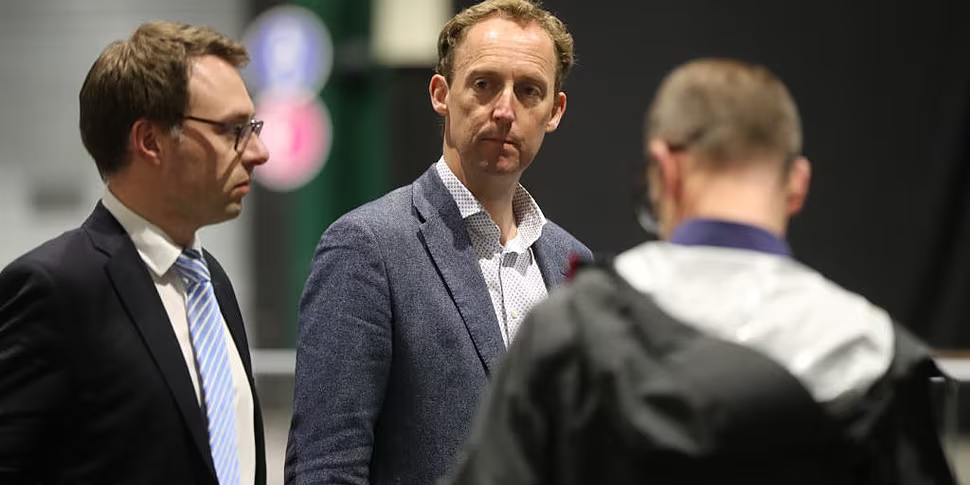
Main image: Barry Andrews. Picture by: PA Archive/PA Images


