



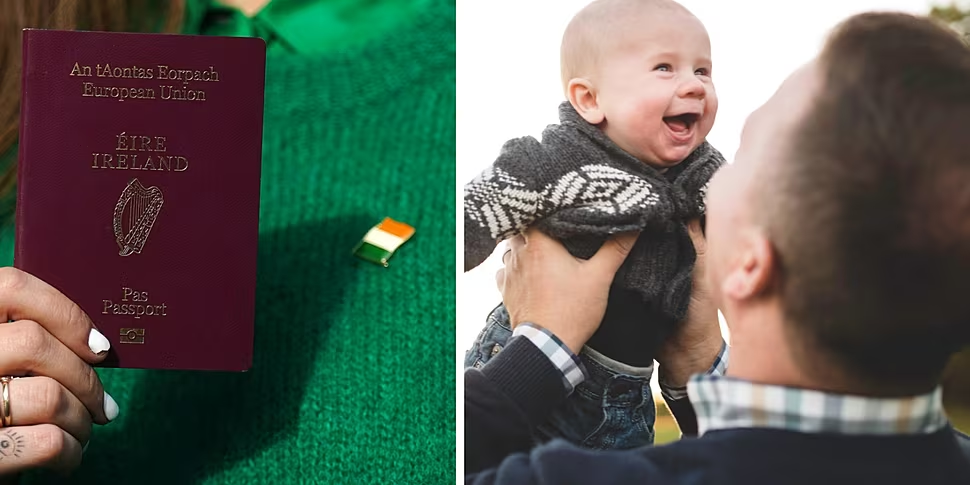
Should the State encourage people to have more babies or let in more migrants to solve a looming demographic timebomb?
Those were the two options presented to the Government by the National Economic and Social Council, which warned that Irish people are not having enough children to fund public services in the long-term.
The NESC’s report concluded that births in Ireland peaked in 2010, when there were 77,000 children.
By 2024, the number had plunged to a mere 54,000 - raising huge questions about how the economy will function with so few future taxpayers.
On Newstalk, Irish Times journalist Jack Horgan-Jones said the call for more migration will unsettle some Government TDs.
“That's one of those things where you're going to have a policy imperative, something to address and right size the demographic shape of the State going forward, coming into conflict potentially with the prevailing politics of the moment, which is rather more sour on migration and immigration than it has been,” he explained.
“And interestingly enough, that's something the Government has been making political capital out of in recent months.”
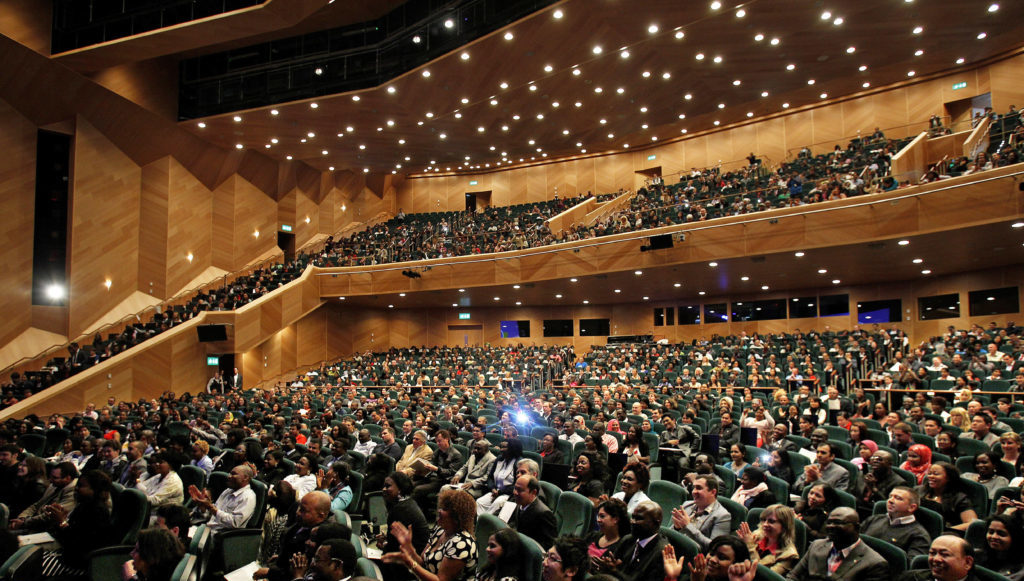 Hundreds of new Irish Citizens at a series of citizenship ceremonies in The National Convention Centre, Dublin. Picture by: RollingNews.ie.
 However, public opinion could well change.
Since the turn of the millennium, the concern about migration has fluctuated depending on the circumstances of the day.
“I know that migration politics was a thing in the early 2000s,” he said.
“But when the tide went out with the economy, really the debate around immigration and its effects on social cohesion also went away for a period of a decade or more.
“And with the kind of post-Covid migration dynamics that we saw and the influence of the war in Ukraine migration politics became part of Irish political discourse in a really meaningful way.”
 New citizens Evangeline Augustia and Zyrone Clem Conde wave Irish flags at a citizenship ceremony at the Convention Centre in Dublin. Picture by: PA Wire/PA Images.
 Also, on the programme, Terry Prone, chairman of the Communications Clinic, suggested an alternative solution would be to help older people stay in the workforce for longer.
“Why are we forcing people to retire in their 60s?” she said.
“For example, you have to retire if you're a member of An Garda Síochána at 60, regardless of your provable fitness rate.
“We have been getting older in a very clever way in that within the last 30 years, we have gained in Ireland very close to 10 years.
“That's a good thing because for the most part, those 10 years are reasonably healthy and have the potential to be productive.”
Main image: A split of an Irish passport and a baby. Pictures by: Alamy.


