



One reason that Icelandic voters voted against resuming talks on EU membership was because the tiny nation feared its fishing industry would end up like Ireland's, the New York Times has reported.
On Saturday, 52.8% of voters said no to accession talks, which would have led to a second referendum on the final terms of the nation’s accession to the EU.
The results illustrated a stark rural urban divide in the Nordic nation, with voters in the capital Reykjavík giving talks the green light, while rural voters voted heavily against.
Chief among their concerns was access to the country’s lucrative fishing grounds, which would be governed by the EU’s Common Fisheries Policies.
On Newstalk Breakfast, Irish Ambassador Ray Bassett said it was always going to be “tough to persuade them”.
“There was an interesting reference in the New York Times yesterday, which said that the treatment of Ireland's fishing industry was a negative factor in the election in the referendum,” he said.
“Now, I saw no other report of that, but the New York Times had two reporters in Iceland and in their report, they said that what happened to the Irish fishing industry and the Irish fishing communities was a negative factor.
“I just mentioned it since it jumped out of the page at me.
“Even if Ireland wasn't cited as direct precedent, from an Icelandic perspective, I mean, [fish], it's 40% of the total exports.”
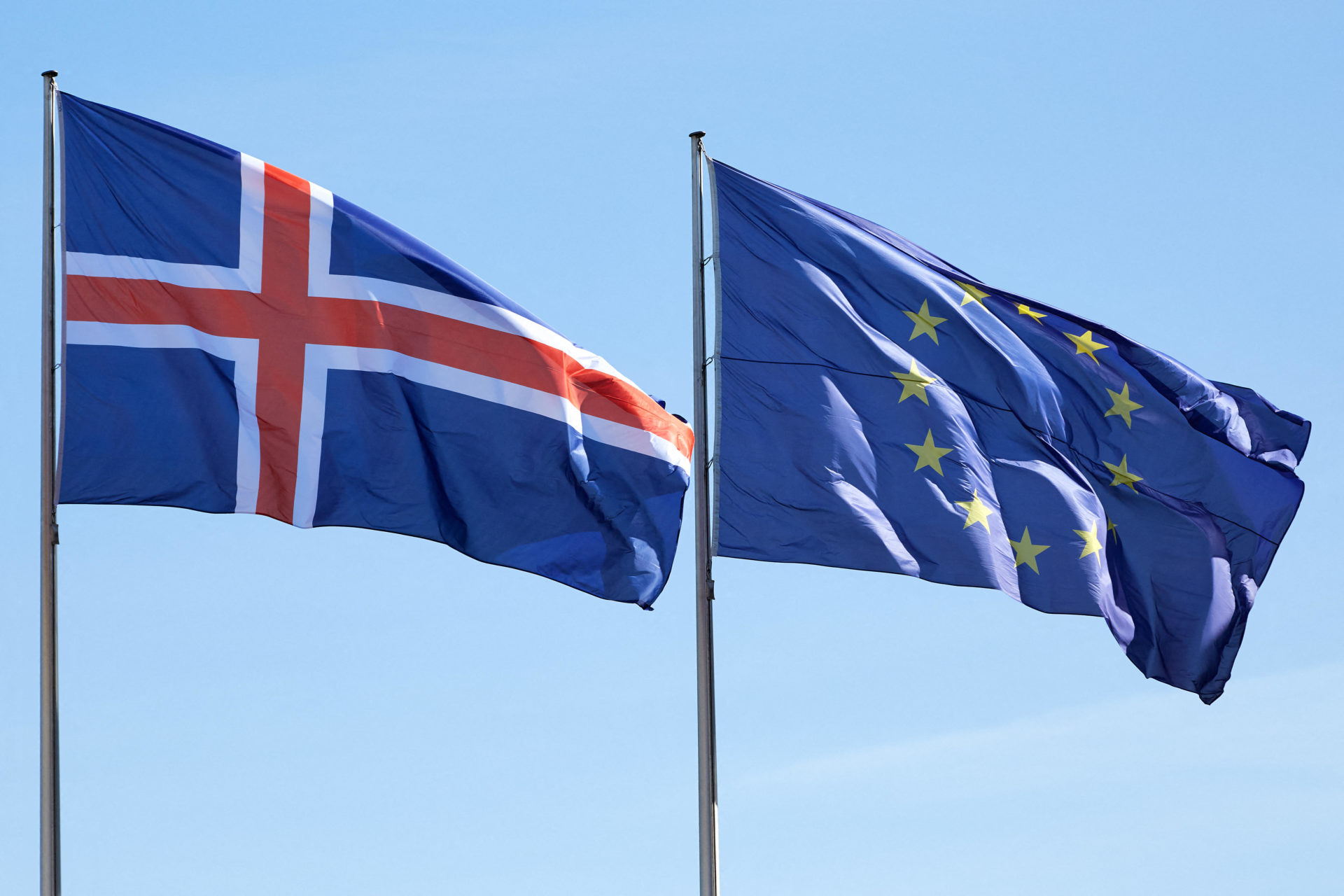 The national flag of Iceland with the European flag. Picture by: Alamy.com.
 Under the Common Fisheries Policy, fisheries in European waters are managed collectively and this has seen quota for Irish fishermen steadily reduced over the decades.
In 2022, Bord Iascaigh Mhara estimated that fishing was worth €1.3 billion to the Irish economy and supported some 15,000 jobs.
By contrast in Iceland, fisheries account for 8% of Iceland’s GDP and voters decided that EU membership was too big a gamble for such a key industry.
“The history of the European Commission isn't great here, because when we joined, we got a thing called the Hague Preferences and we were given assurances that our fishing industry would be looked after,” he said.
“Now, during the negotiations or during the referendum, the European Union made some noises that they would be very sympathetic to Icelandic fishing industries.
“But I could find nowhere where they made an actual concrete offer, because if they made a concrete offer, obviously, we would want something similar for ours.”
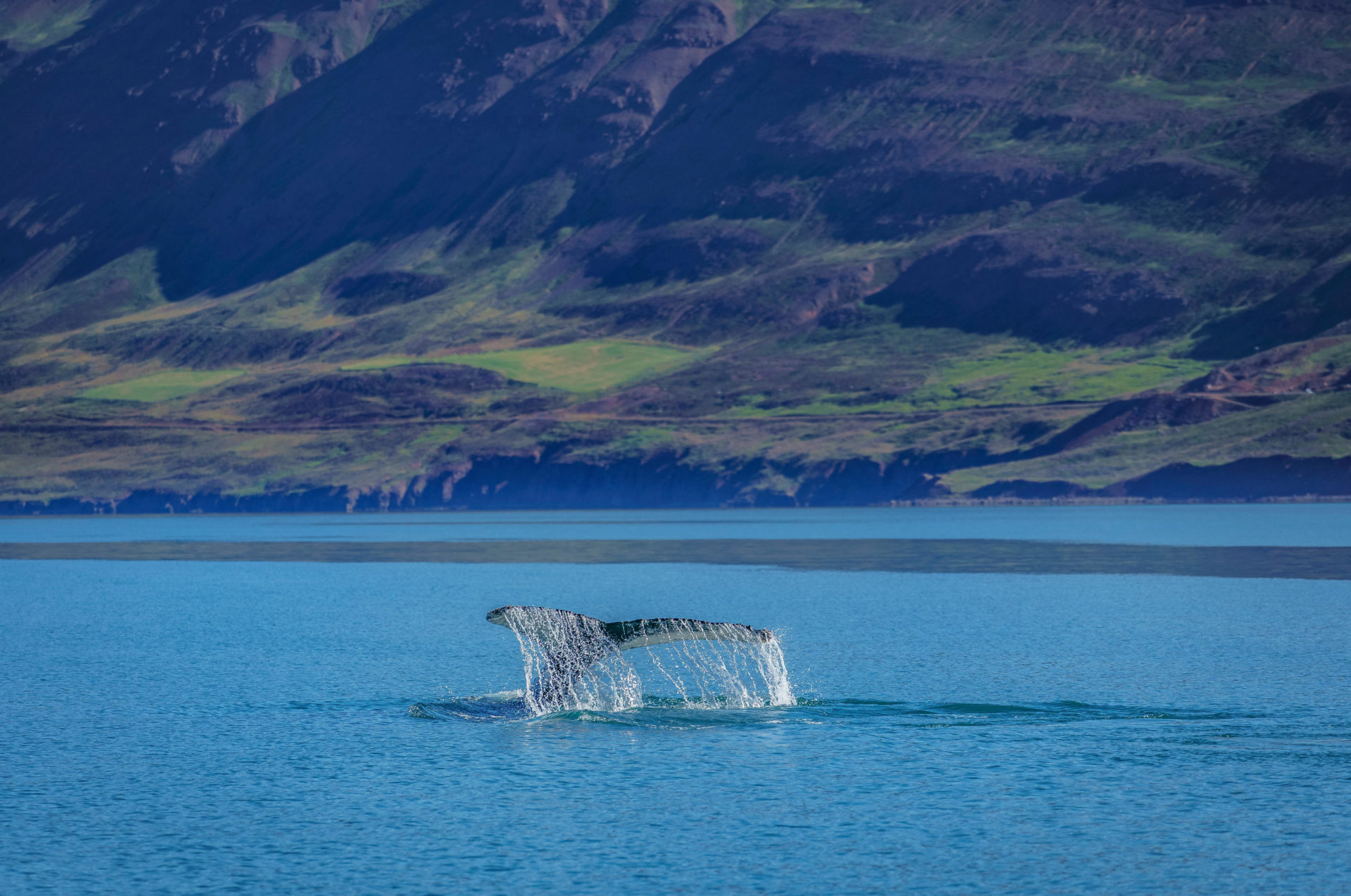 A humpback whale in Eyjafjordur, Iceland. Picture by: Alamy.com.
 Mr Bassett described fish as a “bugbear” that has fuelled euroscepticism in northern Europe for generations and urged Brussels to consider fundamental reform of the CFP.
“They've lost Greenland, Norway, Iceland and it contributed to the exit of Britain,” he said.
“So, you'd often wonder, is this Common Fisheries Policy worth it?”
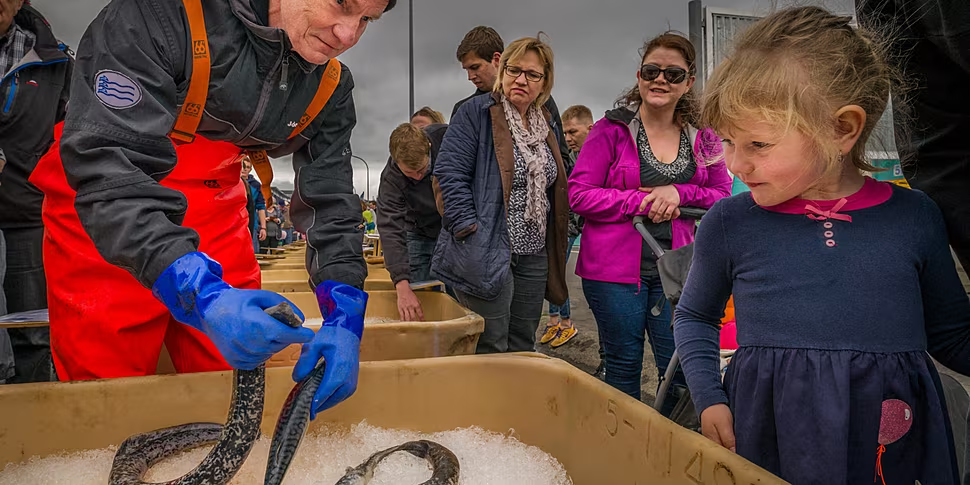
Main image: Fisherman showing fish at The Annual Seaman's Festival in Reykjavik. Picture by: Alamy.com.


