




The issue is that major projects may be curtailed at the times of year and times of day they can be built due to power constraints.
It was described as a problem long flagged but now unavoidable.
Sinn Féin TD Eoin Ó Broin told The Anton Savage Show that a recent report from the Commission for the Regulation of Utilities, [CRU], showed that grid capacity earmarked for housing “was being absorbed by data centres."
He pointed out the contradiction in lifting a moratorium on new data centres “just at the time when housing, public transport and other critical infrastructure projects cannot get on the grid."
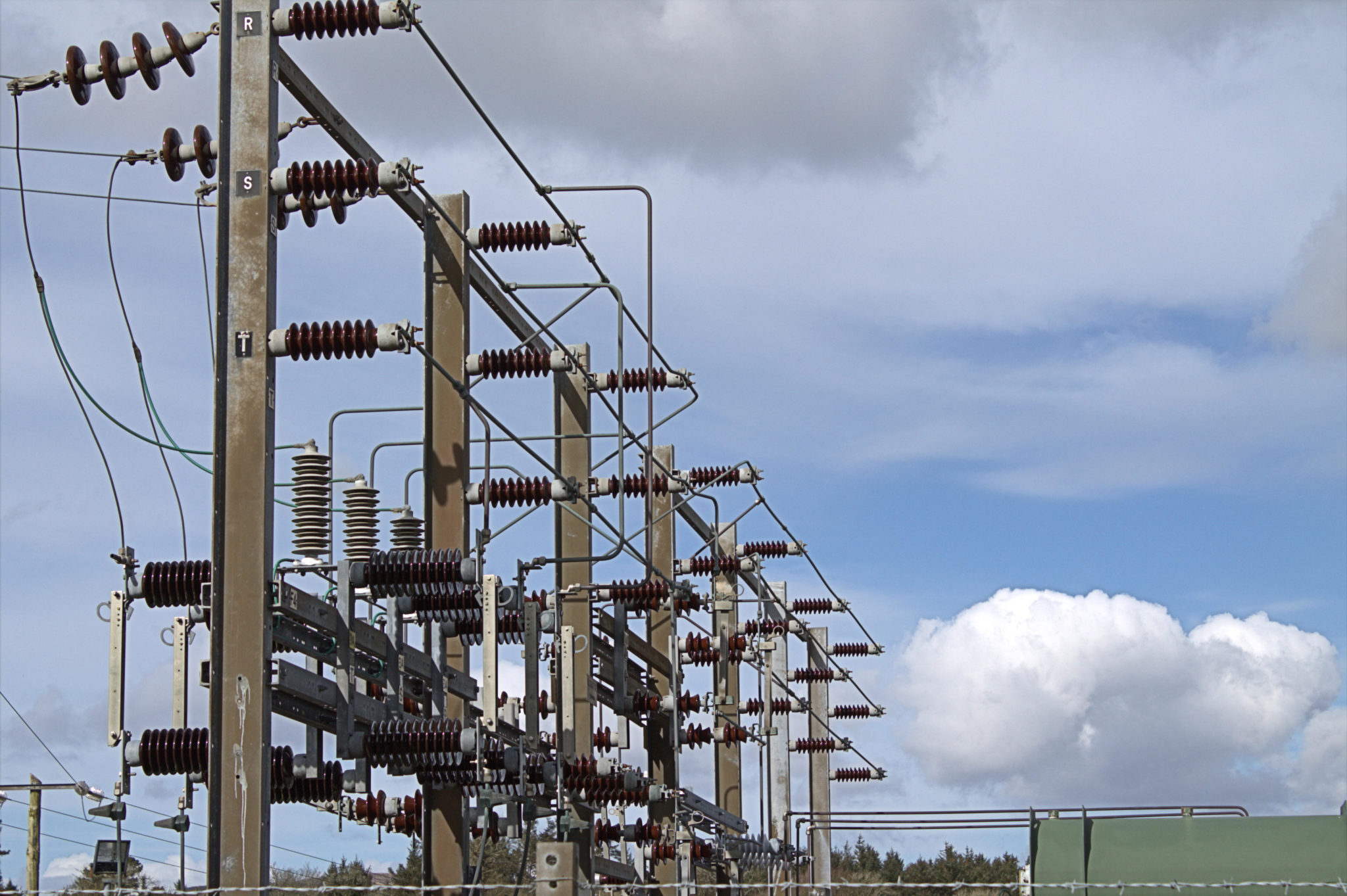 Electricity substation compound part of the electrical distribution network in west cork, Ireland
Ó Broin said the CRU has called for a simple change:
The power to “prioritise grid access based on the priorities of the government”.
Instead of a “first-come, first-served basis”, he argued regulators should be able to say no when projects do not align with policy.
“That makes absolutely no sense,” he said, describing the current system as “contrary to government strategy” and “contrary to good investment."
He warned that “over 20 per cent and rising” of grid capacity is now going to data centres, adding that while he is “not against data centres”, the balance is wrong.
The knock-on effect, he said, extends beyond infrastructure:
“It’s also impacting on the cost of living crisis because it perpetuates our over-reliance on gas.”
DCU professor Gary Murphy noted that he has spent "decades" hearing about promised rail projects.
“I’d say I’ll be long in a box by the time the station ever gets to DCU,” he said, adding that the latest warnings are “depressing” because Ireland now “simply cannot power the things we need to power for our future."
 Public transport Ireland. Transport for Ireland logo and text on yellow on Dublin Bus in Dublin, Ireland
Former Tánaiste Frances Fitzgerald said the issue explains why infrastructure dominated recent elections and argued the country may need “emergency powers” during the transition to renewables.
“These are incredibly serious issues,” she said, noting that warnings about grid pressure have been made “for at least a decade”.
Ó Broin pushed back, saying emergency powers are not required.
“All they’ve asked is something very simple,” he said of the CRU:
The ability to prioritise connections.
Pointing to repeated delays to rail electrification, he said projects with “no objections, no legal challenges” are still being pushed back because “the network will not be able to handle the capacity”.


