




The National Archives of Ireland (NAI) is expecting huge interest when the 1926 census records are released.
The 1926 census records were released on Saturday April 18th by the National Archives of Ireland.
Under the Statistics Act, Census records can’t be released until they are 100 years old.
Director of the National Archive, Orlaith McBride said the 100 year-rule might have been created as people were not expected to live to 100 years old beforehand.
“We now know that there are 1,200 centenarians alive and well in Ireland who actually were recorded in the first census of the Irish Free State,Searstatt Éireann, back on the 18th of April 1926.
“It will be quite a sight for those 1,200 seeing their own birth records in the records.”
1926 in Ireland came 10 years after the rising of 1916, the second half of the First World War, the War of Independence, the Civil War and partition.
Mrs McBride said Ireland had already changed much by 1926 but that the release of this new information helped get an even better understanding of the way people lived, how and where.
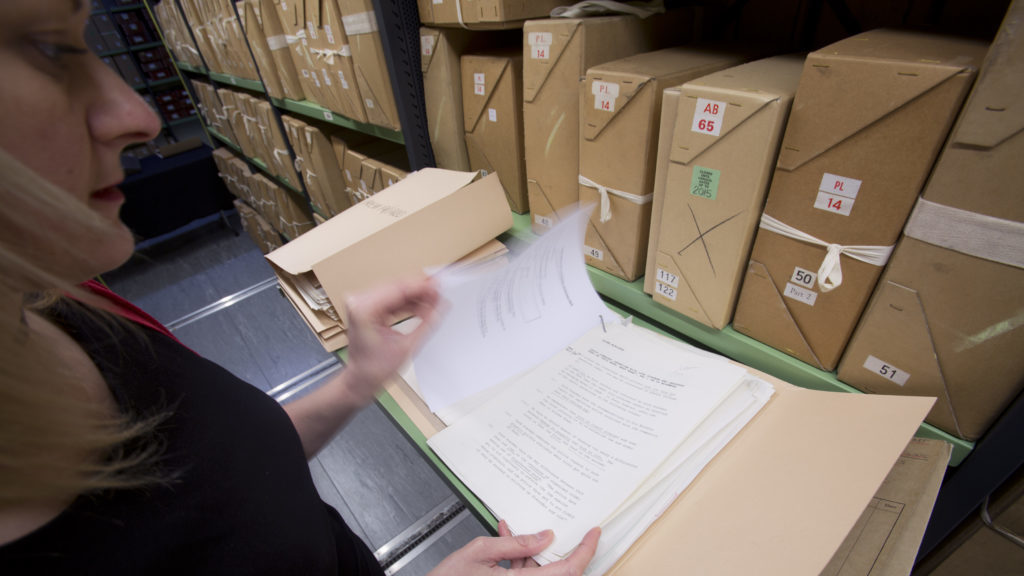 National Archives papers released. Picture by: PA Archive.
 “We have categories like age, occupation, religion, birthplace, but also for the first time we have details on employers.
“We'll be able to get a real sense of, particularly in urban or in market towns, where people worked and who were the employers.
“This was the first census where people could fill it in in Irish. Only 1% of the population filled their forms in Irish. We speculate that this is because those who only spoke Irish couldn’t read or write.”
She added that while censi preserve the facts, they also preserve the voices.
“It's in the voices now that we're able to really get a sense of what Ireland looked like in 1926”, she told Newstalk.
Data from the census can be accessed via nationalarchives.ie.
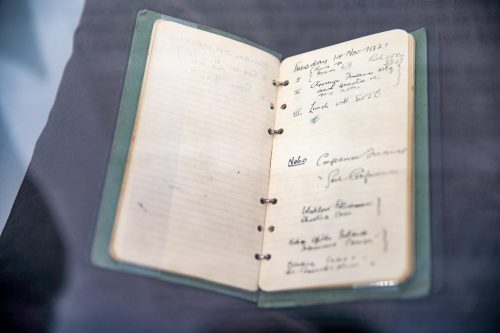
A map is available and they'll be able to go into their local area or where they live now, if people are interested in just who lived in their house 100 years ago. A video will be provided of how people can access the system.
People should be aware as well, that there might be different or phonetic spellings of names.
“As the National Archives, all we can do, whatever was in the form, is what we reproduce.
“That's the principle underpinning archives. We don't intervene in the documents. We just present them as they were.”
Main Image: Census.


