




If someone had told me back on Sunday 1 October 2006, when we broadcast the first Talking History, live from the old Newstalk studio in Warrington House, near the Pepper Canister, that we would still be on air 20 years later I would have laughed in their face.
Back then the idea of giving such an amount of time to a specialist history programme (it was originally 2 hours long) and broadcasting live every Sunday evening throughout the year seemed crazy. Maybe it was. But somehow it worked, and today we keep finding new subjects and new areas to debate every week from our studio in Digges Lane.
The programme began with a failed negotiation. In 2006 Newstalk won the national radio licence and was preparing to launch in October. The station editor, Garrett Harte, had heard about an evening lecture series that I had been running in Trinity with a wonderful colleague, Ciaran Brady, called Contesting History. Each week we put two experts up against each other to debate a topic, such as Cromwell and Ireland, and we attracted an incredible array of speakers, from leading historians to people like Garret FitzGerald and Colm Tóibín. Newstalk was interested in bringing Contesting History to the public and arranged a meeting to see how that might work.
I arrived determined to stop it happening as I didn’t believe that recording Contesting History and replaying it would work for a radio audience. The sound quality wouldn’t be great, and the format wouldn’t translate. So, I entered the meeting with a few demands, confident that they would bring an end to things. I said it should be a different format, with a panel discussion and broadcast live every week. Garrett said deal, shook my hand, and left the room, and Talking History was born.
Long before podcasts with two presenters came to be seen as standard, I thought Talking History would benefit from two presenters, with different research backgrounds and approaches, and I contacted a friend lecturing in UCD, Lindsey Earner-Byrne, and successfully pitched her the idea. For the first number of years, we presented side-by-side, and the dynamic was an integral part of the early success. Lindsey was a brilliant interviewer, always listening carefully to what people were saying, always ready with a great follow-up, and we learned our own sign language so we could indicate who would jump in next. Our show on the Hillsborough disaster was one of our best, and won the PPI National Radio Award in 2009. Lindsey went on to bigger and better things and is now my colleague in Trinity as Professor of Contemporary Irish History, but her role in the foundation of the show is critical.
We were provided with one of Newstalk’s best and most innovative producers, Susan Cahill, who played a huge role in creating the show and helping nurture two historians who had never presented on radio before. Sue was able to plan months in advance, and the great strength of her approach was that we were willing to cover everything. This wasn’t going to be a show exclusively about Irish history or political history. We were prepared to cover everything: ancient history, medieval and modern history, and more recent history, Irish and international. We were happy to discuss composers and music history, films and film history, poets, writers and plays, the history of science, art history and anything else. Nothing was off limits, and we were prepared to try anything.
A few things surprised me from the start. Scholars and experts, sometimes some of the leaders in their field, were prepared to give up their time and come on the programme. Mary Beard, the incredible Classics scholar, then at Cambridge, came on the show many times, and shared her wonderful insights, delivered in her inimitable style. Richard J. Evans, the leading authority on Nazi Germany, contributed to a three-part series we did on the rise and fall of the Nazis.
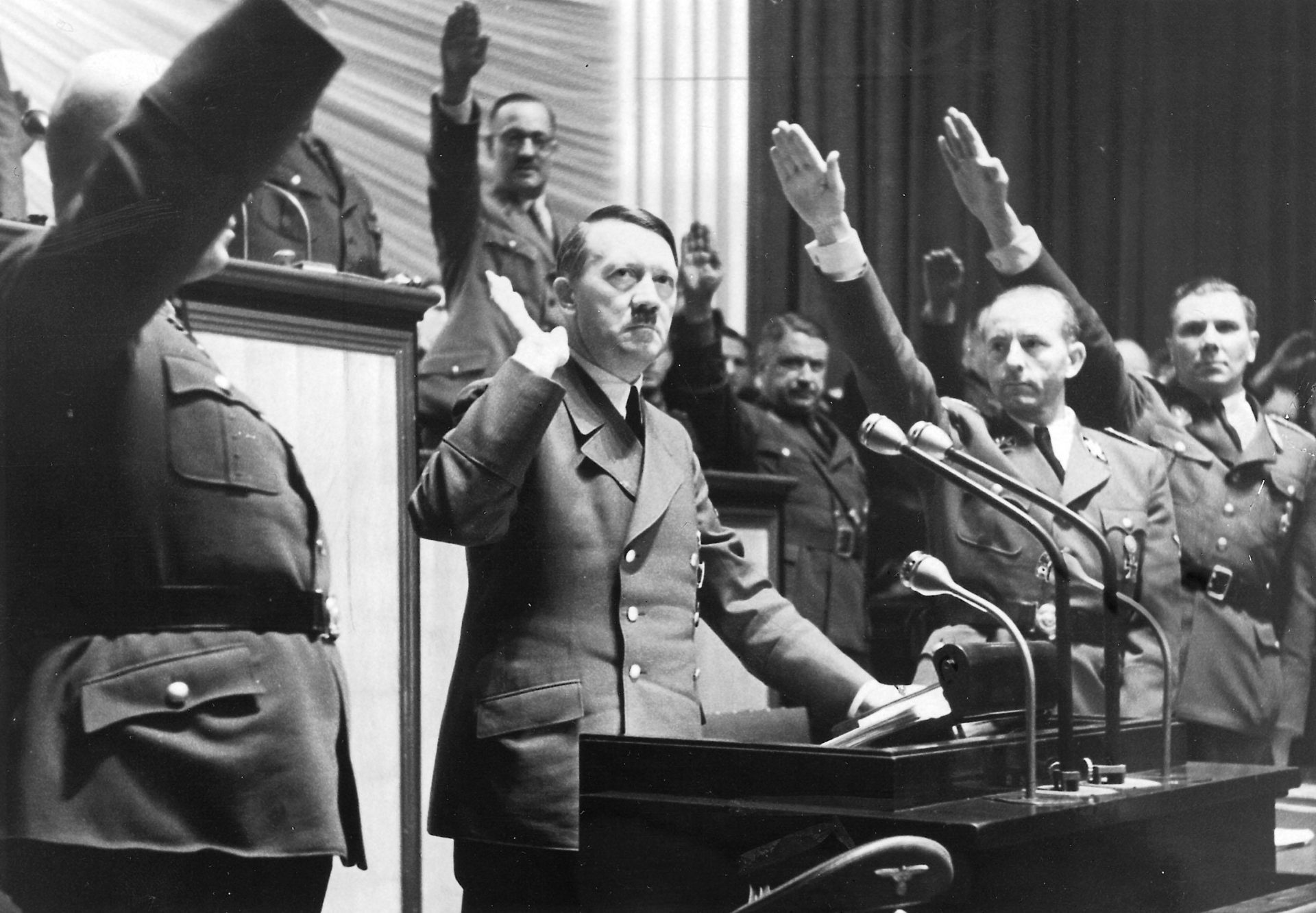 Hitler in the Reichstag in 1941. Picture by: Alamy.com
I was always amazed at who listened to the show, and the loyalty of our listeners. Even now, I am taken aback at the number of people who know me because of Talking History, and the number of times people recognise my voice as soon as I start talking. I remember getting the DART one evening to present the show, and I was running late, and to add to my stress the train broke down. I finally got a taxi, and discovered that the taxi driver recognised my voice, listened to the show, and was determined to get me there for the start of the programme. Or my colleague in Trinity, a hugely inspirational professor of Italian, who told me she has a few radios on in the house on a Sunday evening so she can keep listening as she moves from room to room.
In the early days we relied on those who listened live, usually people travelling, or doing the washing, or not impressed with what was on TV. We also podcasted the show from the very beginning, and as time went on more and more people downloaded the show and found out about us by searching for a particular topic.
I don’t know what our best show was, but I definitely remember our worst. We did a show in the early years on JFK and had a great panel, but I got so interested in his early life and career that the hour came to an end and Kennedy had still not become president! I learned a valuable lesson about pacing and remembering what story we were trying to tell. I think I have become a better teacher in my classes because of my experience with Newstalk chairing discussions.
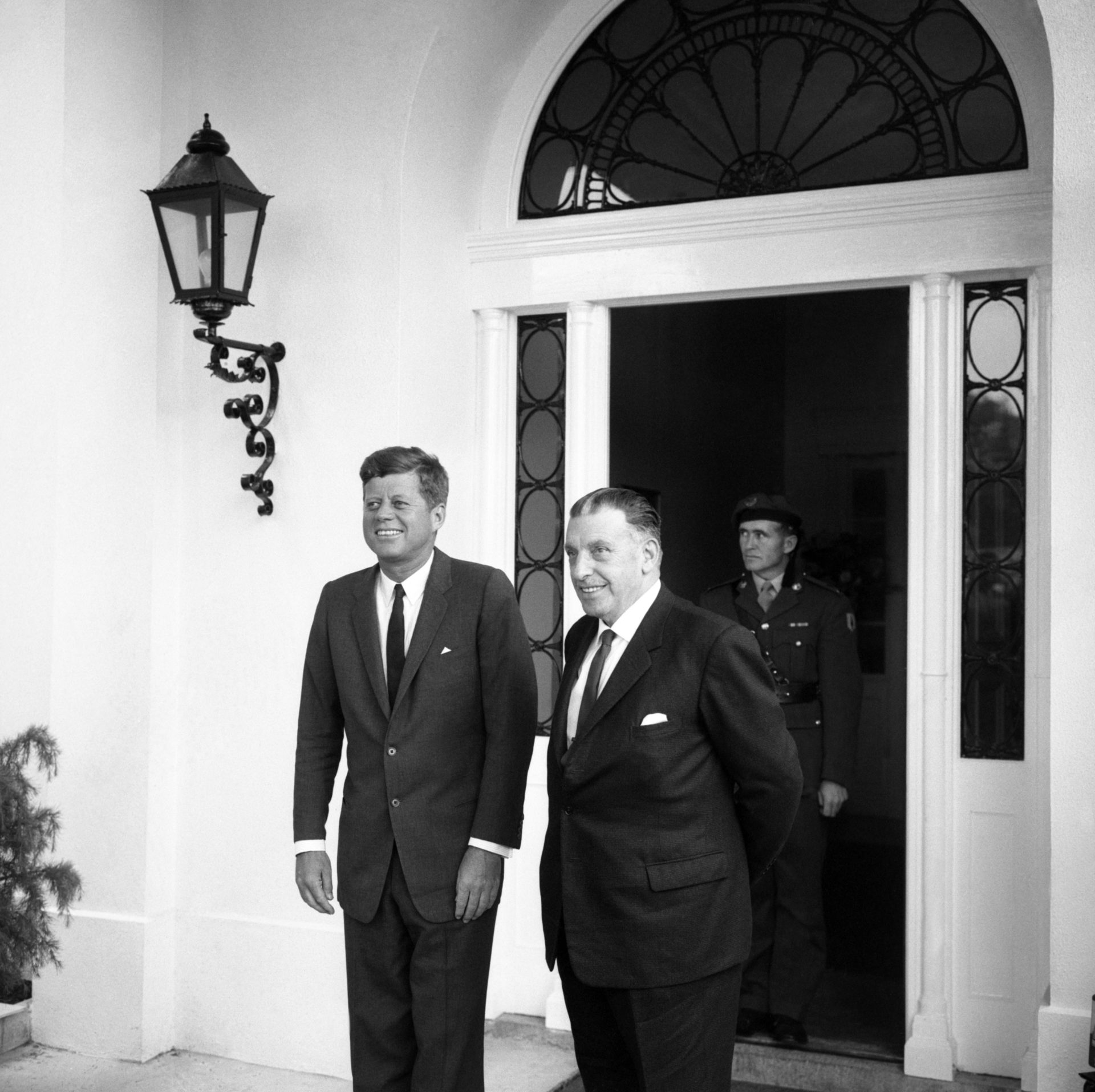 JFK with Seán Lemass. Picture by: Alamy.com.
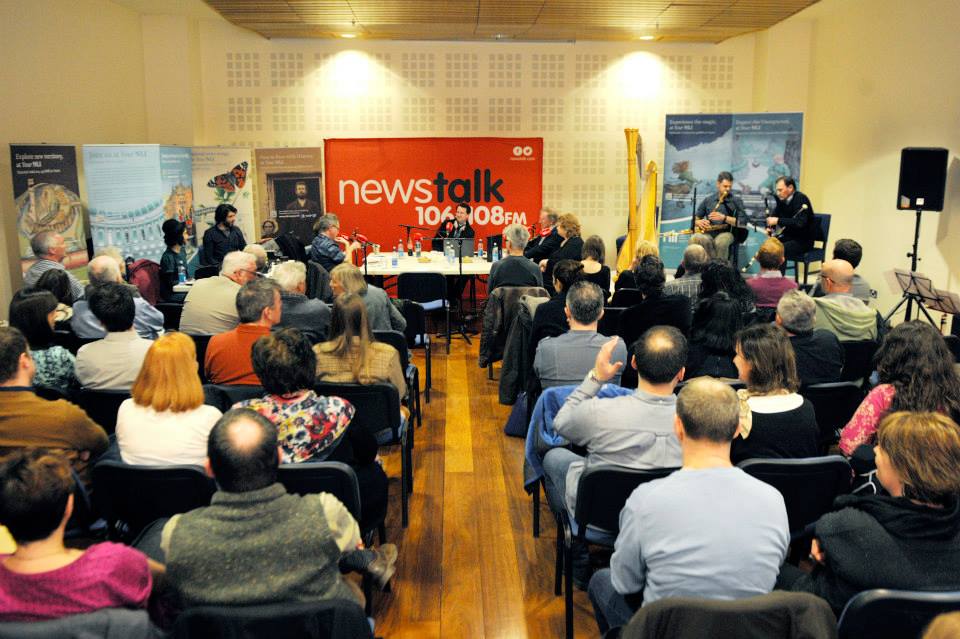
Over the years we have done a number of outside broadcasts, including memorable ones in Cork, Galway, Kilkenny, Belfast and Dublin, and each time I’ve enjoyed meeting our loyal listeners as well as making some new friends.
Twenty years on I am very grateful to Newstalk for having the courage to try something different and to keep with it. I don’t know if anyone else would have been prepared to take that risk, and others have followed in its footsteps only because of that initial vision. I am also very grateful to my wonderful producers, from Sue Cahill who produced the first 16 years, to Marése O’Sullivan who produced the next four, to Aoife Breen and all the brilliant people who have helped out at different times.
Our first ever show was on the 1916 Rising, and I still remember the panel discussion, and the books we discussed in the second hour. Our second show was on Oliver Cromwell and Ireland, and the panel included the Supreme Court judge Adrian Hardiman and some leading historians from Ireland and outside of Ireland. We were broadcasting the day after an infamous football defeat, when Ireland lost 5-2 to Cyprus in the Steve Staunton era. So many of the texts that evening were about that disaster, and some linked Cromwell’s massacres with this sporting one. It was at that point that I realised people had got what we were trying to do - and that the show might actually survive. Twenty years later, we are still talking history.
Article by Patrick Geoghegan.


