




The Irish Defence Forces’ decision to retire a €20 million fleet of armoured vehicles has raised questions about how the State buys military equipment, and who it buys it from.
According to The Irish Times, the vehicles in question were South African–made Light Tactical Armoured Vehicles (LTAVs), purchased in 2009 and intended to serve as a protected patrol platform for Irish troops, particularly on overseas missions.
Despite a €20 million price tag, the vehicles spent long periods of time parked in Irish camps in Lebanon rather than deployed on patrol.
Security and Defence Analyst, Declan Power, told The Anton Savage Show, “they just weren’t the right fit for our needs,” calling the acquisition a case of being “penny wise and pound foolish.”
While the LTAVs were manufactured by a South African subsidiary of BAE Systems, a highly respected global defence contractor, Power argued that cost-cutting within this area proved fatal flaws.
“These vehicles weren’t up to scratch,” he said.
“They weren’t reliable. They were awkward when it came to spare parts and replacements.”
The logistical reality of sourcing parts and technical support from the other side of the world, [South Africa], meant that when problems arose, vehicles were sidelined rather than fixed.
Power pointed out that this was not an isolated incident but part of a wider pattern in Irish "defence procurement", where cheaper options have repeatedly failed to meet demands.
Why buy so far away?
One of Power’s central criticisms was Ireland’s decision to look to South Africa for such a critical capability.
He argued that procurement should prioritise countries with similar operational environments and close political and logistical ties.
“This country should be looking at purchasing from France, the UK, and the Nordic states,” he said.
“These are our neighbours. They’re our partners. They understand the kind of military environments we operate in.”
He contrasted the LTAVs with earlier, more successful acquisitions such as Finnish-produced vehicles, which performed well in Lebanon and were supported by manufacturers located “only up the road” when servicing or advice was needed.
Procurement in transition
Despite the criticism, Power acknowledged signs of improvement.
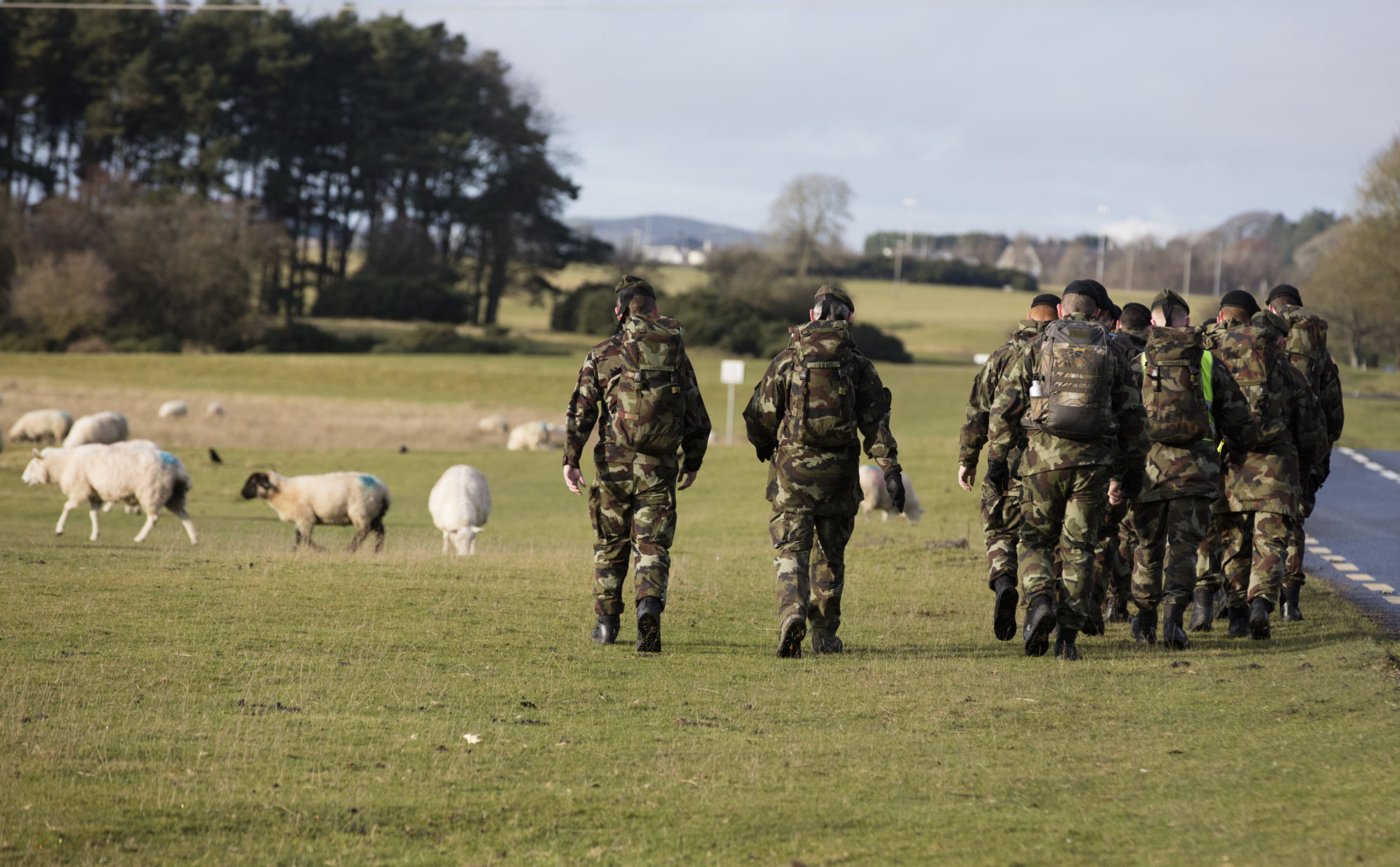 Soldiers of the Irish Army section of the Defence Forces in County Kildare. Photo: Eamonn Farrell/RollingNews.ie
He pointed to better cooperation between Defence Forces personnel and Department of Defence officials in recent procurement decisions, as well as recent purchases from France, as evidence of a more strategic approach emerging.
Still, he warned that Ireland remains inexperienced in large-scale defence procurement, having neglected the sector for decades.
“We haven’t been doing much of it, and we haven’t been getting good deals,” he said.
One missed opportunity, he noted, was the failure to negotiate industrial “spin-offs” such as local manufacturing of spare parts, something countries like Canada insist upon to create jobs and reduce long-term dependency.
Power argued that defence procurement is increasingly an instrument of diplomacy, particularly for small states.
Who Ireland buys from, he said, sends a political signal.
“If we’re going to spend €500 million on something,” he said, “it would be nice if it was with an EU counterpart, or our UK neighbours.”
He pointed to frameworks such as the Joint Expeditionary Force, a security partnership involving Nordic, Baltic and UK forces, which Ireland is not part of but could benefit from engaging with.
He also highlighted Ireland’s participation in PESCO, the EU’s Permanent Structured Cooperation on defence, as an opportunity to collaborate with and form a better relationship with.


