




The Hard Shoulder investigated what it would mean if Dublin City Coucil developped a tourist tax like 21 of the 27 EU member countries.
Dublin City Council is considering a tourist tax of up to €5 per night per visitor.
The analysis of the potential of the accommodation levy or “bed tax” found that a charge of just €2 per night per visitor could add up to €17.5 million a year for the council.
A few European cities already boast tourist taxes which have diverging results on their respective tourism industries.
Editor of Travelextra.ie, Eoghan Corry told The Hard Shoulder said he was against a potential tourist tax being launched “for a couple reasons”.
“Cities come up with this, politicians love it, hoteliers and tourists hate it”, he told Newstalk.
“If they can get away with this, politicians will generally push for this.
“They can get away with it if the city's reputation and their visiting power is way beyond things like price and it's not regarded as in competition.
“It's a two-edged sword. Different markets behave in different ways.”
What does it mean that Dublin City Council is considering a tourist tax ?
He added that while Americans might not take issue with it due to the pre-existing taxation system in the United States, other key markets in France, Germany and the UK could take issue with it.
Mr Corry made clear that some cities could afford such measures, not all cities could.
“We have an issue here that once a tourist tax comes in, it starts creeping up”, he told The Hard Shoulder.
“When politicians smell money for the city coffers, they get ahold of it and push it which hurts the tourist trade and the business trade in the city.
“It also puts a lot of pressure on the hoteliers. The hoteliers tend to absorb the tax for the first year or two.”
“The hotels are already paying very, very high levels of tax.The 9% reduction last year, famously in food for restaurants, doesn't apply to beds.”
Paris-based journalist Elaine Cobb told Newstalk the tax varies based on the establishment chosen for the stay in the French capital.
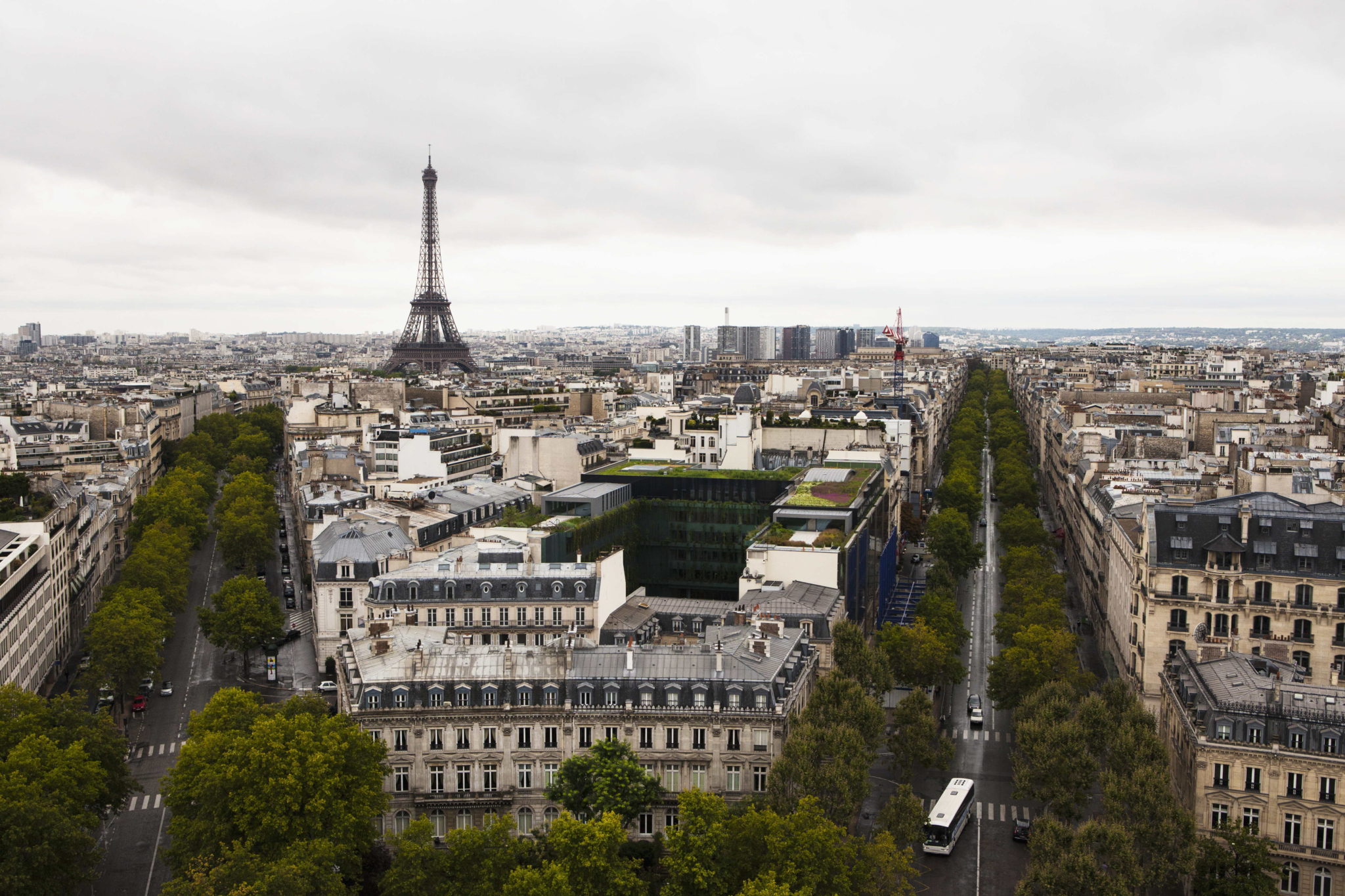 Paris, France. Picture by: Gillian Williamson.
 “If you're staying in a campsite on the edge of the city, you're paying a euro a night”, she said.
“If it's a nicer place, in which case it's two euros. But if you are going all the way up to a palace hotel, like the Maurice, the Clion, you're going to pay 16 euros a night in tourist tax.
“Paris has a structured rate.”
She noted that French hoteliers initially pushed back against the tax while tourism bosses were not fond of it.
“Paris residents objected far less to it when in the run up to the Olympics, we saw our homeowners tax jump 74% in order to pay for all the new infrastructure and transport for the Olympics.
“The biggest complaint you hear from people is reminders that they have to pay the tax. Most tourists will cope with it in a city like Paris but if they’re reminded that they're paying for it, that's much less fun.”
Main Image: Dublin South Anne Street.


