
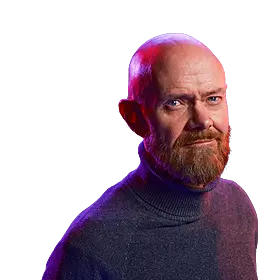


The Chief Executive of Nursing Homes Ireland has said he is concerned that making it harder to become an Irish citizen will make the Republic “less attractive” to overseas care workers.
The group’s care homes employ some 35,000 staff, who care for around 27,000 people.
Many of their workers are from overseas and on The Hard Shoulder, CEO Tadhg Daly said they provide an “invaluable contribution” to Irish society.
“So our concern, I suppose, is primarily the potential that these changes are proposing would make Ireland a less attractive place for international workers that we so badly need to meet the care needs of our ageing population,” Mr Daly said.
He added that many people from India and the Philippines in particular have come to Ireland, where they have “contributed” and “integrated” in Irish society.
“They're happy and content here,” he said.
“Part of that is the possibility of becoming naturalised and becoming citizens.
“So, look, we're not saying it's an impediment, but we are competing in an international market.
“The World Health Organisation recently outlined a shortfall of 11 million healthcare workers across the world.
“So, if we make a change to our legislation, it could make us less attractive to overseas workers than we already are.”
 An elderly woman being given a cup of tea. Picture by: Alamy.com.
The Government has proposed increasing the residency requirement for Irish citizenship from five years to eight years.
Announcing Cabinet support for reform, Justice Minister Jim O’Callaghan described the proposed changes as “balanced, proportionate and necessary”.
“The measures concern the requirements for naturalisation and should not be interpreted as a judgment on the contribution of migrants,” he said.
“They seek to ensure that citizenship reflects a demonstrated, durable connection to Ireland, knowledge of the State and its institutions, and a sustained commitment to participation in Irish society.”
Mr Daly said he hopes that there would be “at a minimum” transitional arrangement for those migrants.
“Many people are in the country already on the basis that they will apply for a period of five years,” he said.
“We can't change the rules mid-game as it were.”
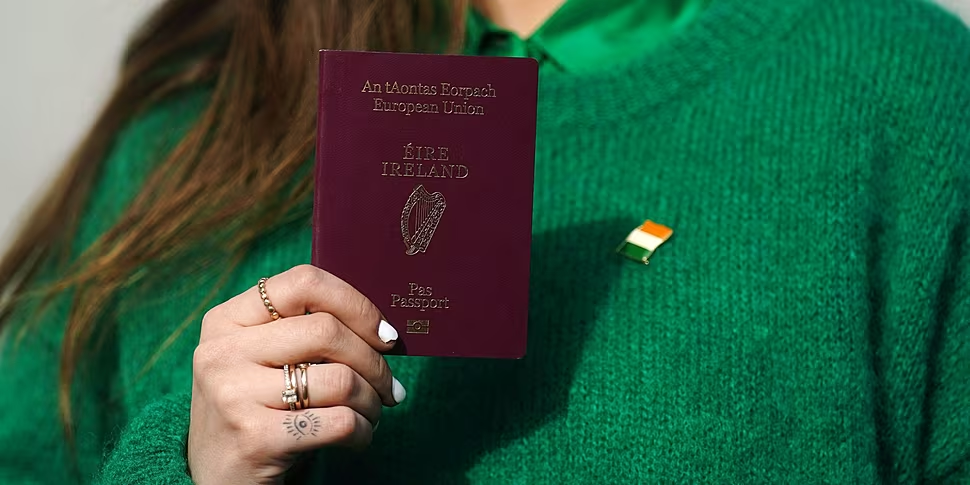
Main image: A woman with an Irish passport. Picture by: Alamy.com.


