




Social media companies are facing one of their most serious turning points yet, after Snapchat’s parent company, Snap, settled a social media addiction lawsuit in the United States just days before it was due to go to court.
The case was brought by a 19-year-old woman who alleges that social media algorithms left her addicted from a young age and caused anxiety, depression and body dysmorphia.
While Snap has now settled, other defendants including Instagram owner Meta and TikTok parent ByteDance, will face the courts.
Technology Editor at The Irish Independent, Adrian Weckler, told The Anton Savage Show that the lawsuit is being watched closely across the tech industry.
“There’s a case going on in the States at the moment that everybody’s watching, especially in the social media industry,” he said, describing it as similar to the early legal actions taken against Big Tobacco.
He noted that in Europe, the instinct has been to regulate the area.
“We try to regulate it over here. We know that the Americans don’t like that. So it’s a very confused situation."
That tension is evident in Australia, which has introduced a world-first ban on social media use for under-16s.
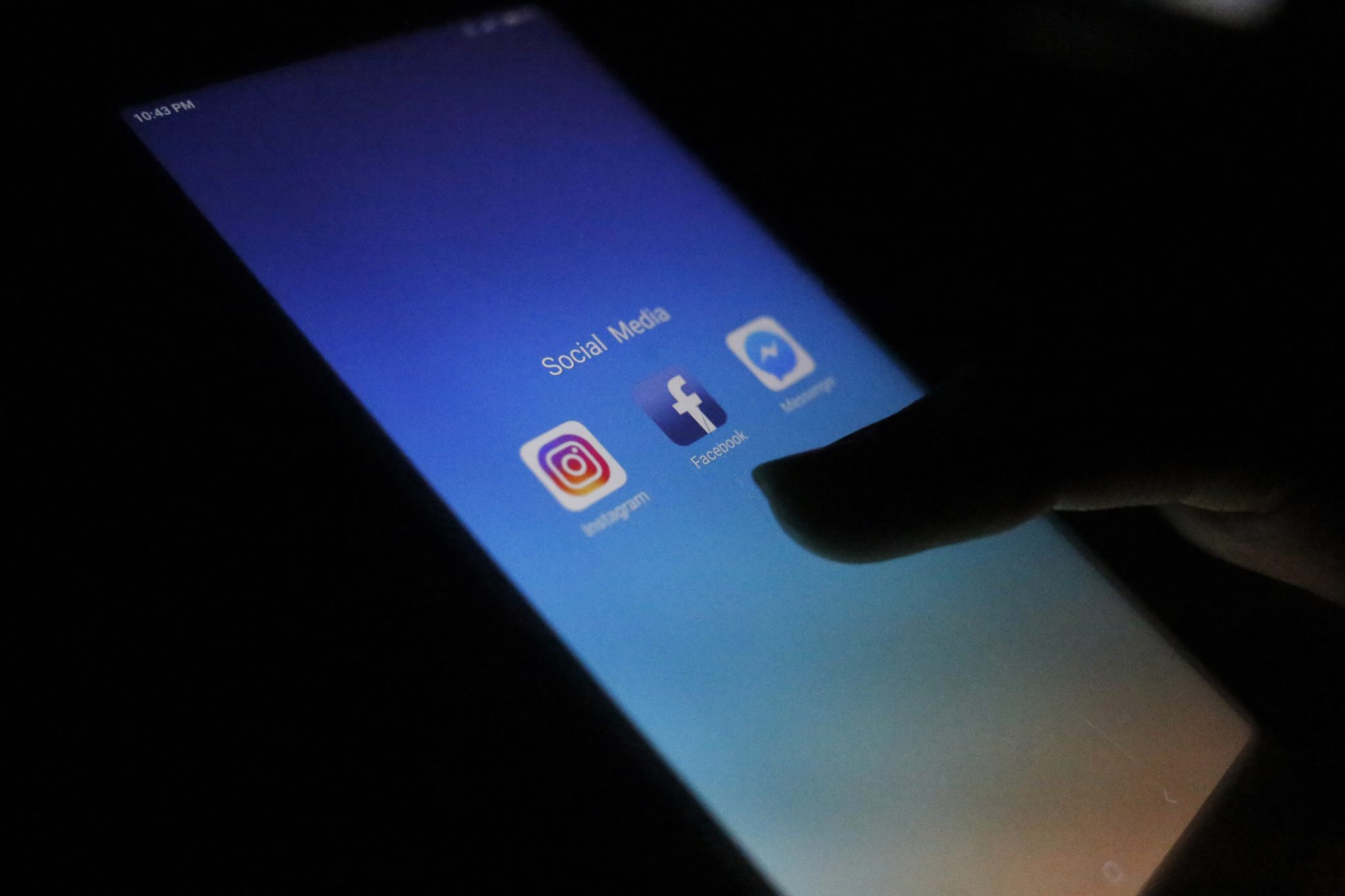 A user open social media apps on her mobile phone in Dhaka. Instagram and Facebook are among the most popular with people. (Credit Image: © MD Mehedi Hasan/ZUMA Wire)
Weckler said early evidence suggests it has had limited impact.
“Most surveys and polls suggest that neither the kids nor the parents have any intention of really abiding by it,” he said, with teenagers using VPNs to continue accessing platforms.
The Australian government’s argument, he said, is that “perfect is the enemy of good," that doing something imperfect is better than doing nothing at all.
But enforcement remains a weakness.
Despite parental controls being rolled out by platforms like TikTok, Snapchat and YouTube, Weckler debated whether it was effective.
“The controls that the social media companies have are pathetic. I mean, they’re basically just nominal. You just have to tick a box to say that you’re 13.”
At the same time, he acknowledged that responsibility does not sit neatly with tech companies alone, but must be shared with parents and guardians.
“It is the parents who give the kids the smartphones, so it’s quite difficult to draw moral and ethical lines here.”
Savage questioned whether social media should now be treated like tobacco, regulated aggressively because of its harm. Weckler pushed back on the comparison.
“I don’t think we believe that social media is analogous to big tobacco,” he said, arguing that while harms exist, equating cigarettes with an Instagram post risks oversimplifying a complex issue.
That complexity, he said, is why regulation remains contested, even in Europe.
“These are things we’re still trying to figure out ourselves,” he said, pointing to Ireland’s forgotten hate speech legislation as evidence of how uncomfortable societies remain with having boundaries online.


