




Are more unisex toilets the solutions to long queues for the ladies?
Journalist Niamh O'Reilly believes it is a truism that where a woman goes, there are long queues for the women’s toilets.
On Moncrieff, she explained that she feels some buildings were not built with women’s needs in mind.
“In a lot of older kinds of buildings, you will really notice it,” she said.
“You know, I don't think a lot of thought was put into it when they were maybe planning out the bathrooms and it can be a real pain.
“It can be a real pain, you know, if you have to queue up and there's no queue on the men's side.”
Ms O’Reilly added that there are a small number of places where she feels men might have to queue longer for the toilets - noticeably at sporting events.
“I think it might be a bit stereotypical to say, but sometimes that may be a football match or something like that,” she said.
“You might notice that men are queuing for a bathroom and women don't have to queue as much and stuff like that.
“But, generally speaking in my life, if I'm out and about and I need to use the facilities, I know I'm going to have to queue.”
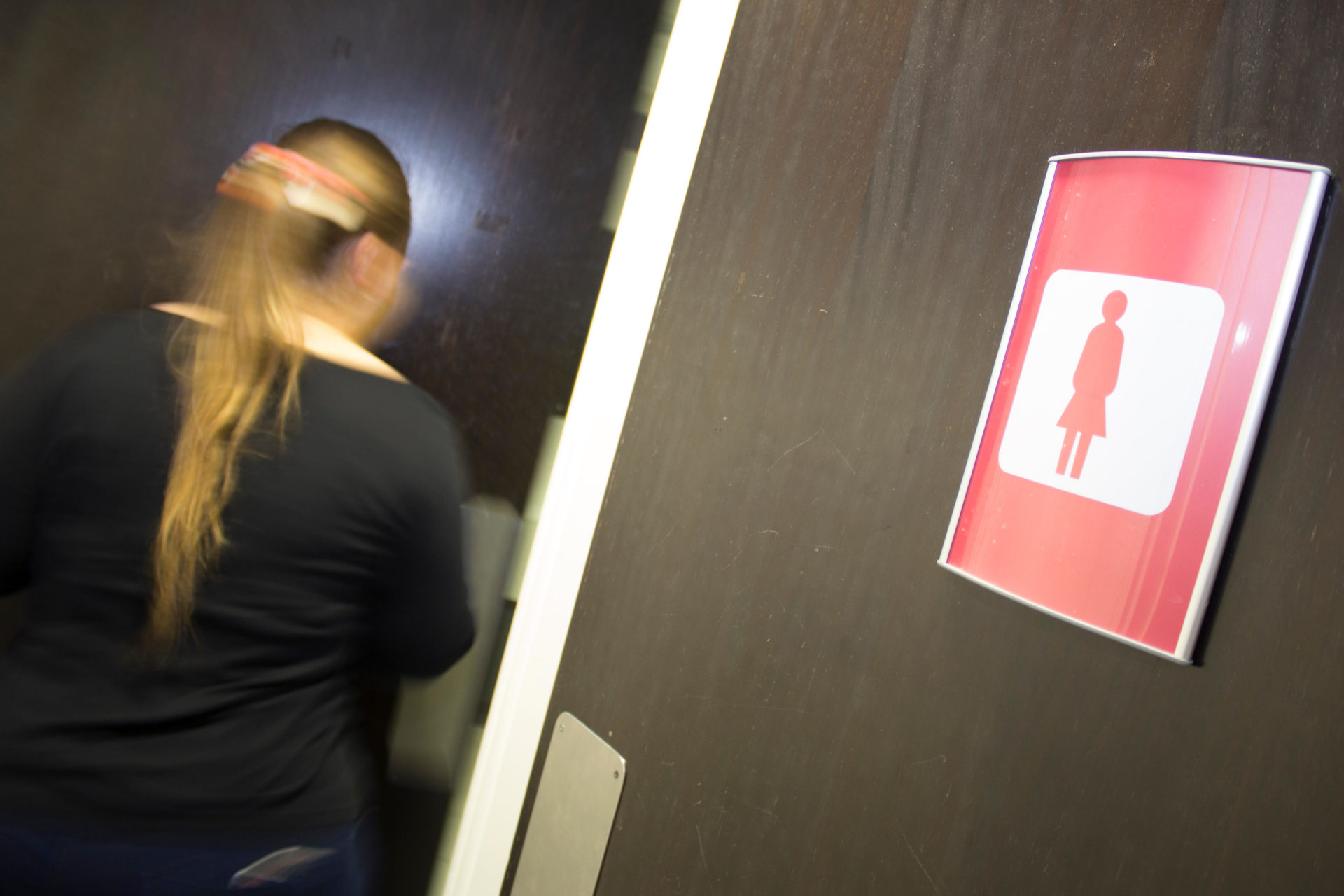 A woman walks into the women's toilets. Picture by: Alamy.com.
Ms O’Reilly continued that there are very good reasons why women often have to spend longer in bathrooms than men.
“It's not that we're all standing there putting on lippy and things like that,” she said.
“Like women have periods; they unfortunately can be messy and that can take longer in a cubicle to deal with - no matter what methods you're using.
“Be it tampons, pads, a moon cup, which sometimes can be very messy to change.”
At times when she was pregnant, a desperate Ms O’Reilly simply walked into the men’s toilets because the queue for the women’s was so much longer. She described it as “really awkward” but necessary.
Could simply building unisex bathrooms mean shorter queues for women?
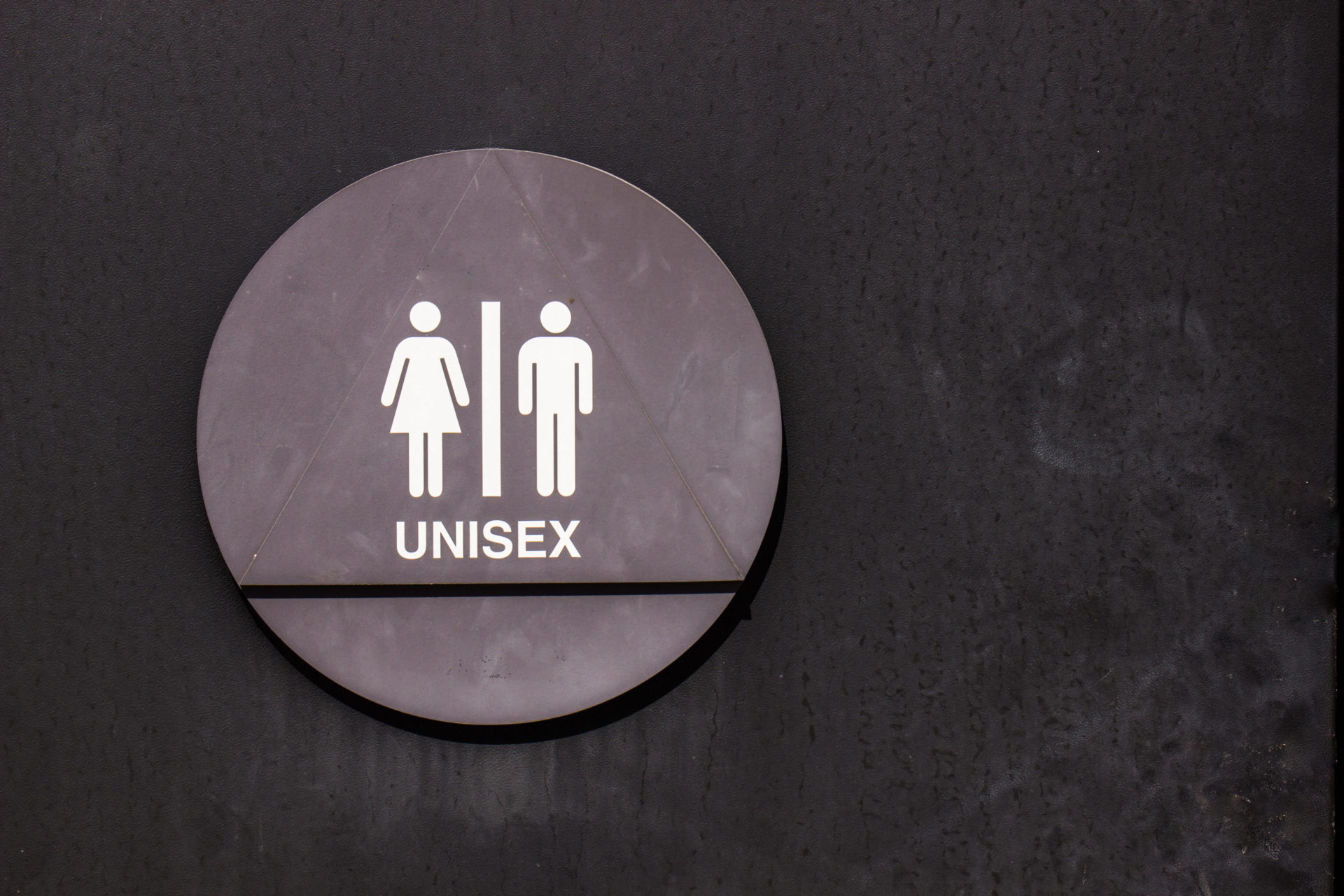 A sign for a unisex bathroom. Picture by: Alamy.com.
“I have no issue with that,” she said.
“I don't encounter many of them, I have to say, when I'm out and about.
“I'm sure they exist; perhaps that could be a solution.”


